

Drainage systems minimize the environmental impacts of rainfall by preventing waterlogging, flooding, erosion, landslides, and agricultural losses. Learn more.
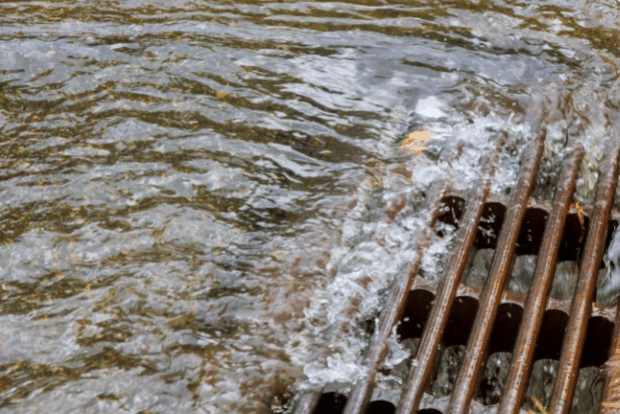
Stormwater management is extremely important for reducing the negative impacts of rainfall in urban areas. Through drainage systems, excess water in the soil is directed to strategic locations, such as storm drains and wells, for example. This, in turn, prevents flooding, landslides, low agricultural productivity, and other problems. In São Paulo, experts point out that one of the causes of recurring floods in the city is due to drainage problems. In addition to preventing flooding, flash floods, and landslides, an efficient drainage system also saves public funds by reducing the need for street and road maintenance. But that’s not all. Proper stormwater management also prevents damage to public and private property, protects the lives of people and animals, and prevents disease. The fact is that to properly drain rainwater, one must first understand the most commonly used drainage systems. Currently, there are several different structures, each with a specific purpose. Understanding them, therefore, is crucial for having an efficient drainage system, whether in rural or urban areas.
Most Commonly Used Stormwater Drainage Systems
As mentioned earlier, a drainage system is a structure built to collect rainwater and direct it away from the site, preventing flooding, agricultural losses, and landslides. The system can be implemented for various purposes, such as draining water from streets and roads, sports fields, farmlands, airports, and railways, among others. However, it is worth noting that there are several drainage systems whose main purpose is to collect stormwater and divert it to an appropriate watercourse, as you can see below.
| System | Where it applies | Main function |
|---|---|---|
| Gutters | Streets, roads, highways | Conducts surface water to the storm drain |
| Storm drain | Urban curb | Receives water from the gutter and carries it to the storm drain |
| Ditches | Highways (high volumes) | Complementary system that enhances drainage |
| Deep/underground drain | Civil engineering projects, highways, power plants, fields | Lowers the water table with perforated pipes |
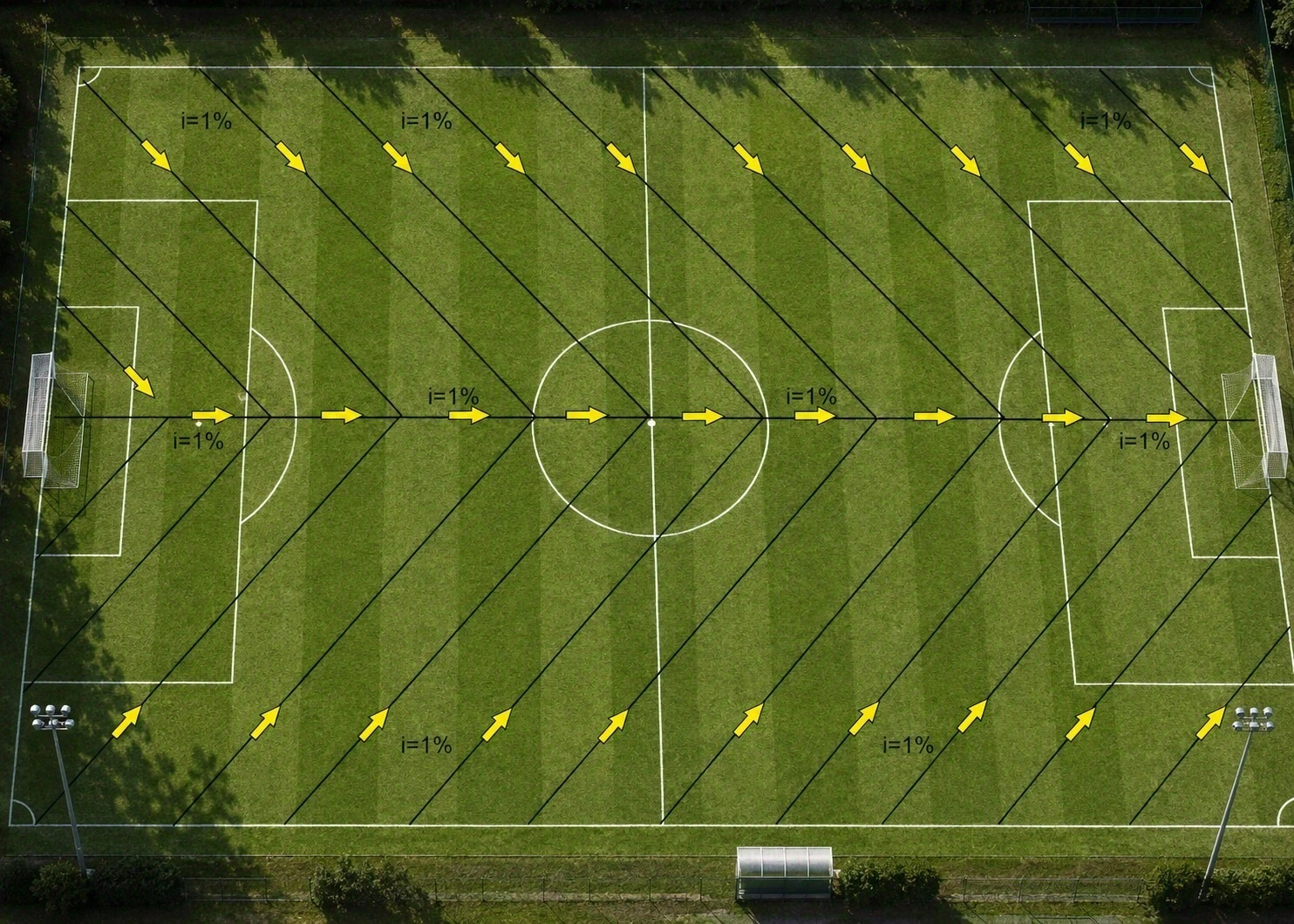
| Herringbone | Sports fields, lawns | Rapid drainage via branches connected to a main collector |
| Drainage mat | Highways, landfills | Gravel layer + geotextile that filters and channels water |
Gutters
Gutters are drainage systems commonly found on streets, roads, and highways. They are, in fact, the sloped section located between the asphalt and the curb or edge. Their main purpose is to channel surface water to a storm drain, preventing flooding, erosion, and accidents caused by hydroplaning.
Storm drain
Also known as a collection inlet or manhole, a storm drain is a drainage system consisting of an open hole in the curb. Its function is to receive the water collected by the gutter. In some cases, the storm drain relies on a combined drainage system, consisting of an opening protected by a grate in front of it.
Gutters
In addition, there are ditches, drainage systems widely used on highways. Essentially, they are complementary systems installed in areas with high water volumes. Ditches help gutters drain stormwater into the drainage network. Depending on the volume of water to be drained, ditches can be trapezoidal or rectangular in shape and may or may not be lined.
Drainage Systems with Deep Drains or Underground Drainage
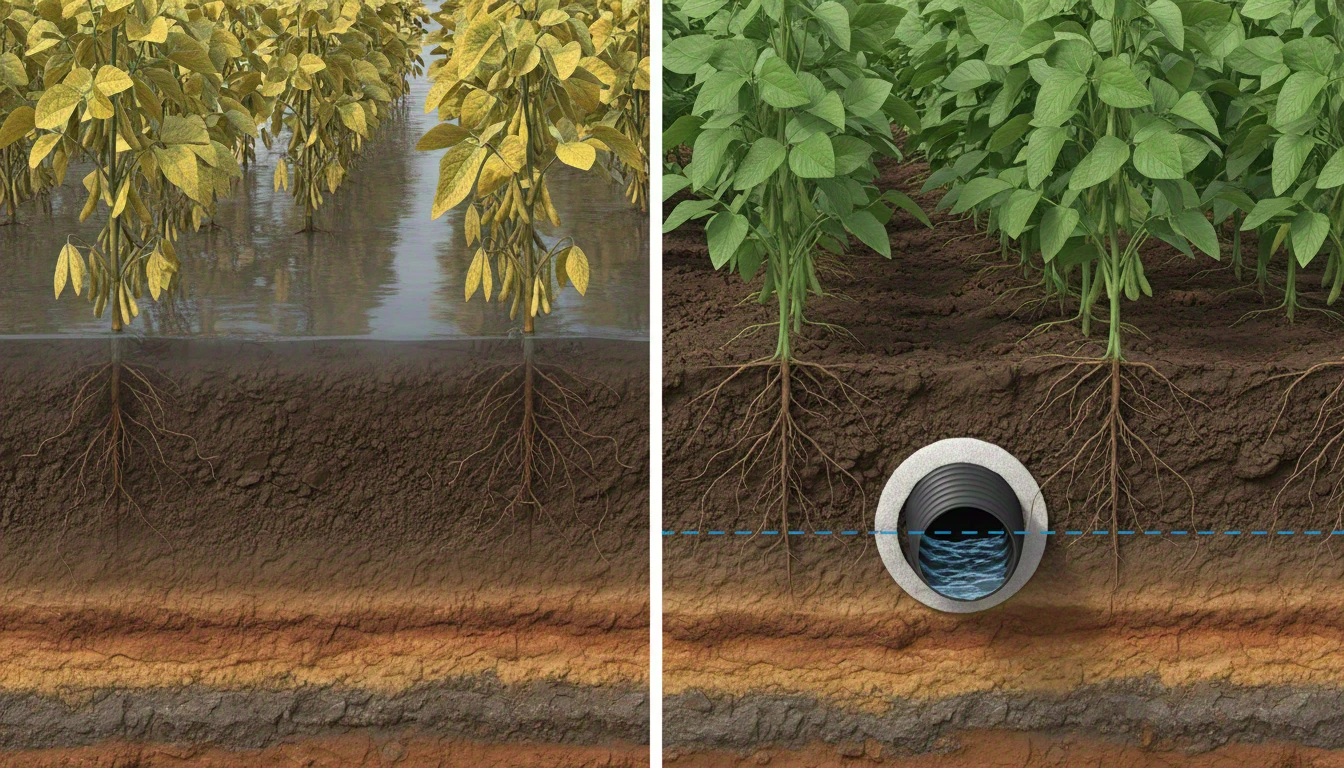
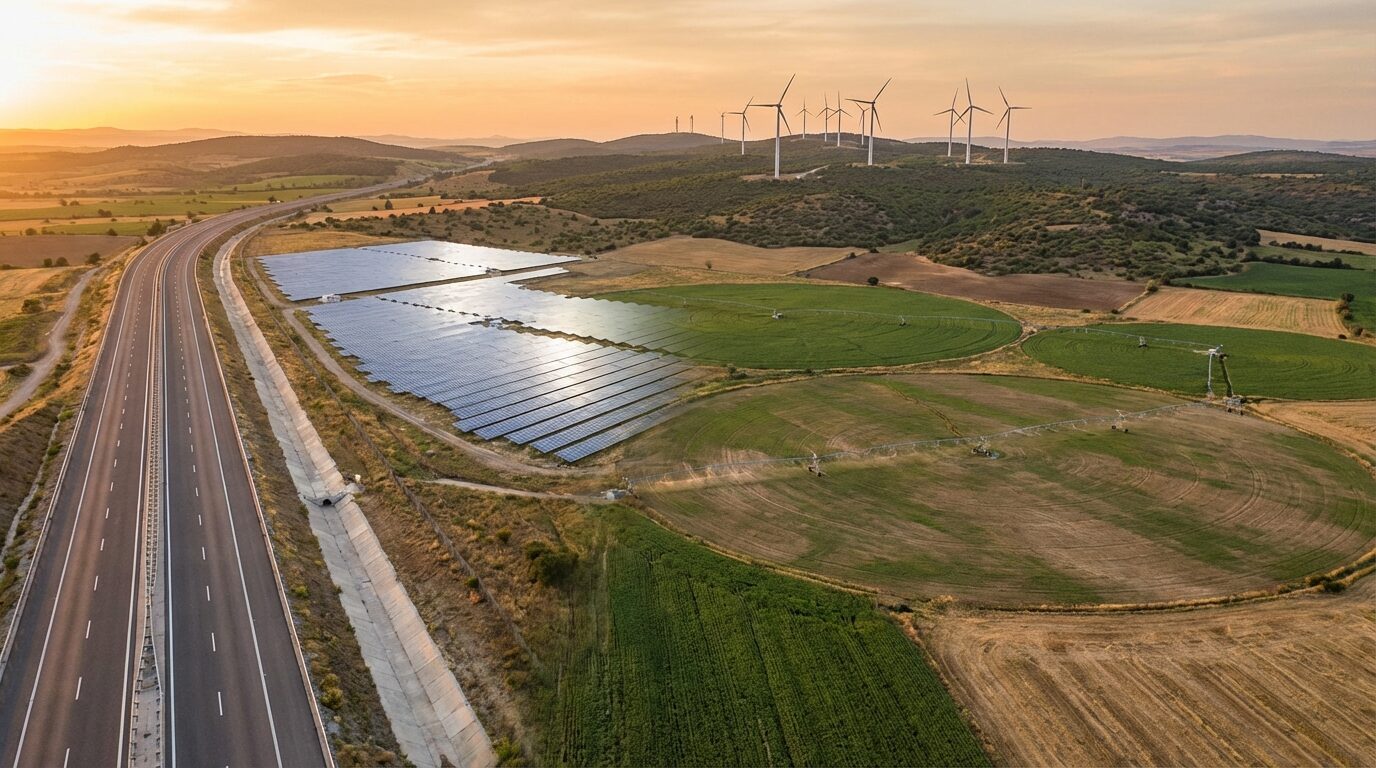
Like other drainage systems, deep or underground drains also collect water and direct it to a suitable location. However, their main function is to lower the water table by draining excess water from the soil through drainage pipes and the use of geotextile fabric. This is one of the most versatile drainage systems available, as it can be used in a wide range of civil engineering projects, from highways to wind and solar farms. Techdreno and Techdreno DW corrugated pipes are effective solutions for controlling excess water on highways, in gardens, on sports fields, and in various other locations. Learn more.
Herringbone Drainage System
The Herringbone drainage system is generally used on sports fields, as it promotes rapid drainage of infiltrated water. Despite its complicated name, it is a simple and easy-to-understand drainage system. In this layout, HDPE pipes are installed in fishbone, parallel, or random patterns, connected to a main conduit.
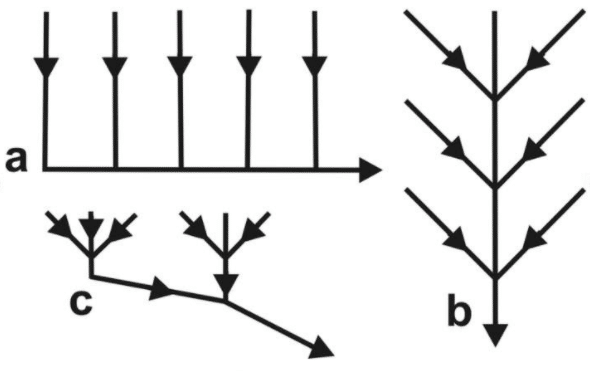
It is worth noting that the lateral HDPE pipes are perforated, which allows water to enter their interiors. Thus, they convey the liquid to a main conduit (collector), which is larger and connected to the drainage network. The herringbone drain is one of the most effective drainage systems, as it ensures greater flow for the volume of water collected by the lateral pipes. For this reason, it is the most suitable system for soccer fields, as it prevents the field from becoming waterlogged and, consequently, avoids game or event cancellations on days of heavy rain.


Perforated drainage pipes can be made of various materials, such as PVC, concrete, and HDPE, with the latter being the most cost-effective option. Just to give you an idea, Techdreno and Techdreno DW drainage pipes are made of HDPE, a resistant, flexible, non-toxic, and durable material. When properly installed, they can last up to 75 years.
Drainage Mat
Finally, the list of drainage systems includes the drainage mat, commonly used on highways. This type of drain basically involves placing a layer of drainage material (such as gravel) inside a permeable fabric, such as a Bidim geotextile mat, for example. To direct water to an appropriate location, the system is connected to a pipe. This method becomes much more efficient when a drainage pipe is placed in the middle of the gravel.
Techdreno Drainage Pipes for Drainage Systems
Now that you know the 6 main drainage systems used in various civil construction projects, it’s time to understand that all of them rely on high-quality pipes to convey the collected water to the region’s drainage network. Fortunately, Techduto, a Brazilian company specializing in the manufacture and distribution of HDPE corrugated pipes, offers the best solutions for various drainage projects. Techdreno and Techdreno DW corrugated pipes are key components of efficient drainage systems. They withstand high compressive loads and facilitate water flow, increasing the area’s drainage capacity by 30%. Additionally, it is worth noting that they are manufactured from High-Density Polyethylene (HDPE), a non-toxic and recyclable material. As such, they ensure rapid water runoff, eliminating flooding, controlling moisture in agricultural soil, and preventing landslides—all without polluting the environment. Versatile, they can be used for drainage on highways, at airports, in solar power plants, wind farms, sports fields, plantations, and various other locations. Visit the Techduto website and discover all our corrugated pipe solutions for your project.