


Protect and Route Cables
Corrugated HDPE conduits for mechanical protection of electrical, telecom and fiber optic cables
The Challenge
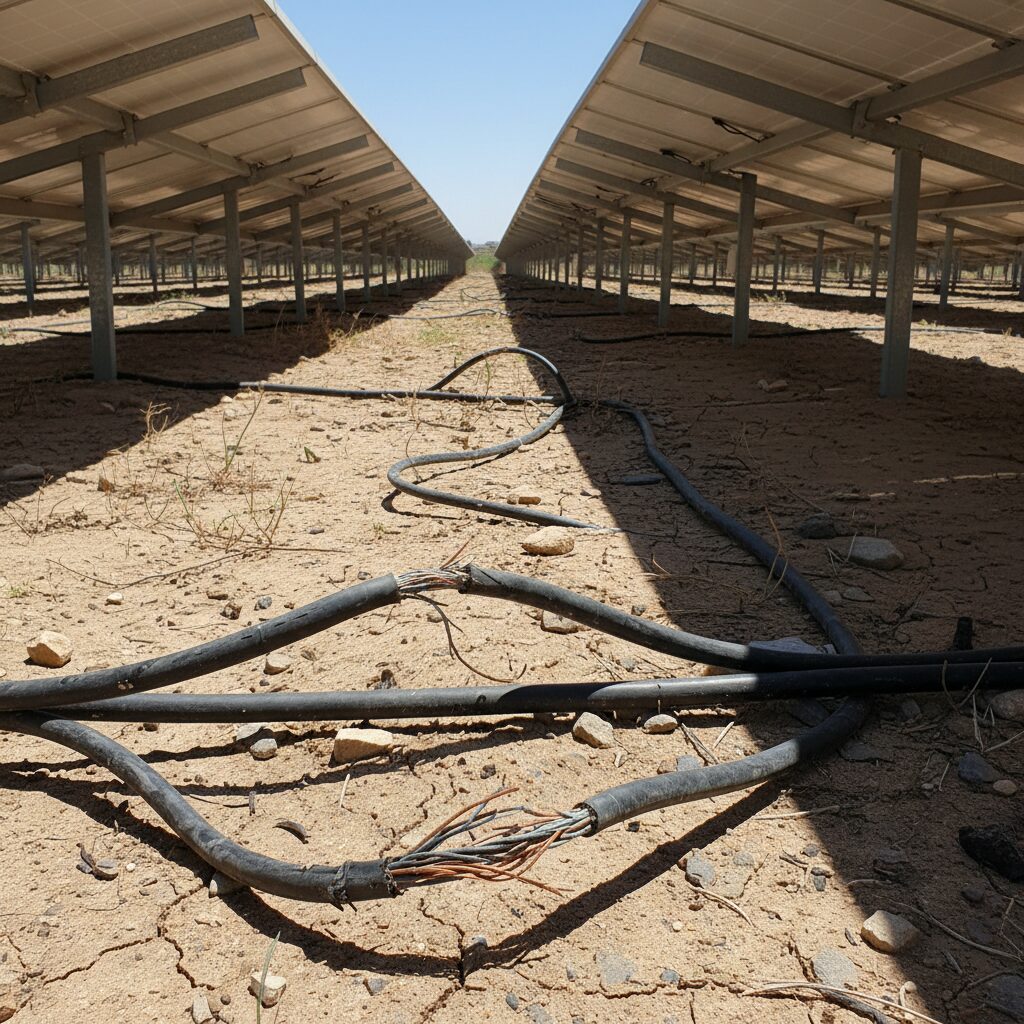
Buried electrical, telecommunications and fiber optic cables need mechanical protection against impacts, moisture and interference. Without adequate protection, corrective maintenance is frequent and costly.
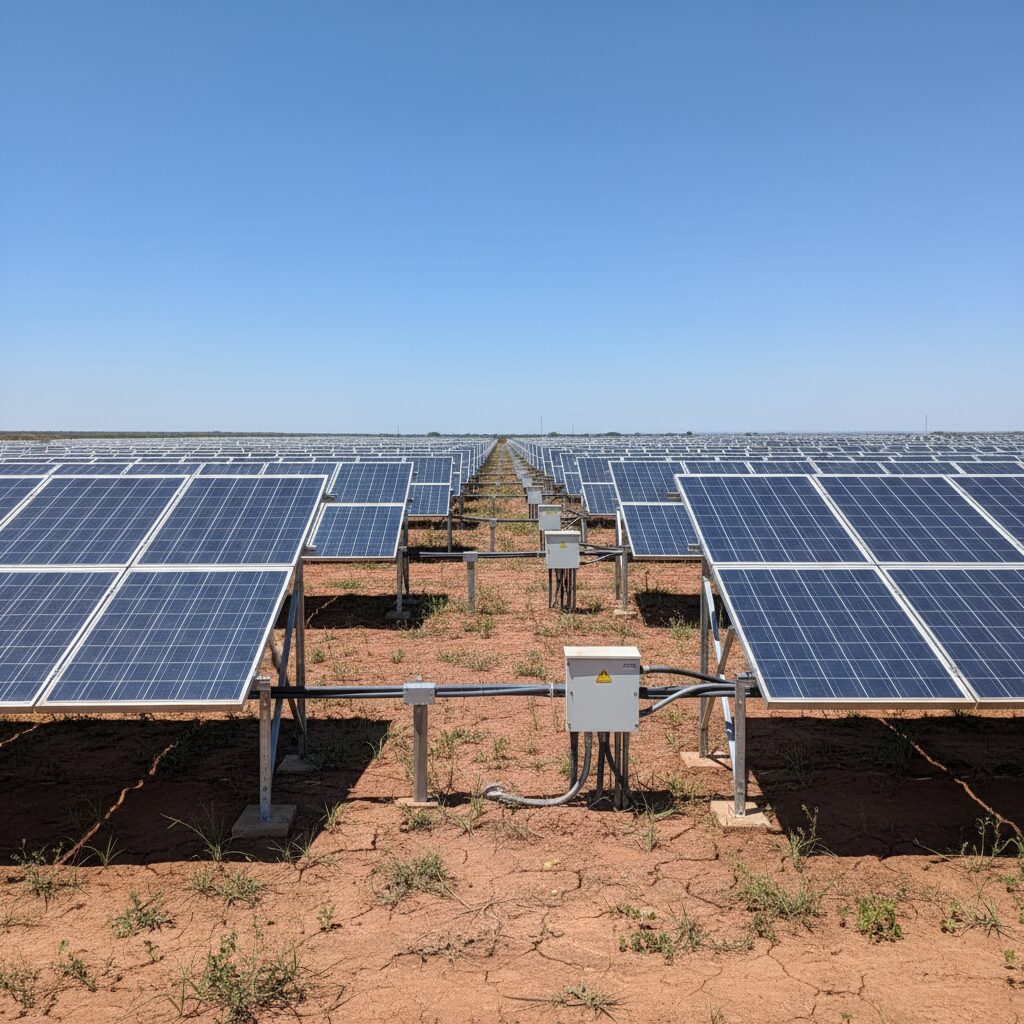
Techduto DW is a double-wall corrugated pipe designed specifically for underground cable protection. With a smooth interior for easy cable pulling and corrugated exterior for mechanical strength, it is the preferred solution for energy utilities, telecom companies and renewable energy parks.
Challenges & Solutions
How Techduto solves each challenge in Protect and Route Cables
Mechanical damage
Techduto DW with corrugated outer wall absorbs excavation impacts and soil pressure, shielding your cables.
Water infiltration
Techduto Tape seals all connections with permanent adhesion, preventing water and moisture from reaching cables.
Repair cost
With Techduto NBR and DW, locating and replacing cables is simple — just pull through the smooth interior without digging a new trench.
How We Apply
Techduto 3-step methodology
Design
Definition of route, depth and conduit diameter based on the total cross-section of cables to protect.
Installation
Trench opening, Techduto DW laying and cable pulling through the smooth interior — up to 30% faster.
Sealing
Connection sealing with Techduto Tape, backfill and compaction for permanent protection.
FAQ
Common questions about Protect and Route Cables
Why Techduto and not a reseller: since 1986, when it built Brazil's first corrugating machine by hand, Techduto has designed and manufactured its own line of corrugated pipes — it doesn't resell, it produces. Today, with factories in São José dos Campos (SP), Recife (PE) and Primavera do Leste (MT), the engineering behind Techdreno and Drainage Geocomposite is entirely its own. See our full history →
NBR 15715 × NBR 5410: what each standard covers
NBR 15715 is the conduit-specific standard — geometry, compression resistance, impact resistance. NBR 5410 is the general low-voltage electrical installation standard: circuit sizing, conductor cross-section, overcurrent protection — it references the use of conduits but does not specify the conduit itself. A complete electrical project follows both: NBR 5410 defines the installation, NBR 15715 ensures the chosen conduit withstands it.