

HDPE drainage pipes can last more than 50 years! They are much easier to install compared to materials such as concrete, iron, and PVC. Learn more

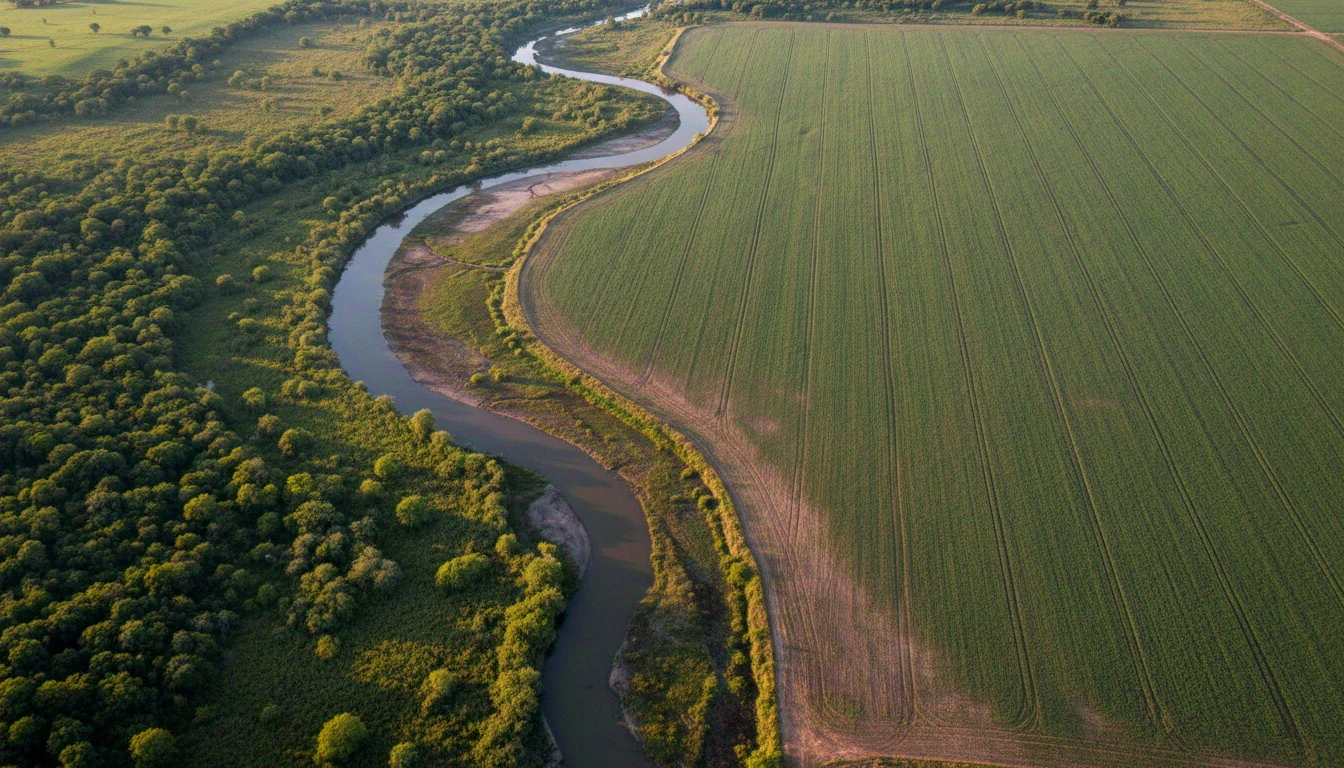
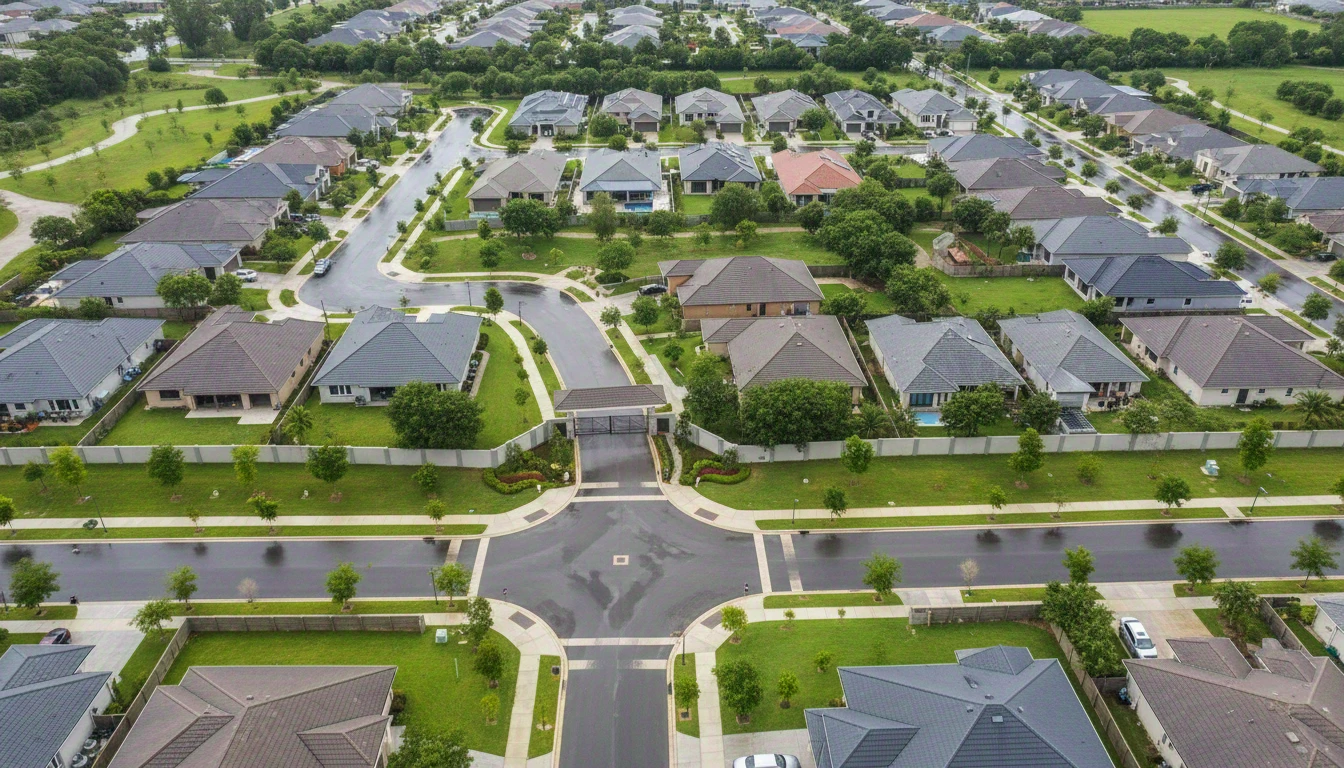
Thanks to drainage pipes, it is possible to control excess soil moisture to improve agricultural productivity and prevent flooding on highways, railways, and airports. More than that, they also help stabilize slopes, preventing structural damage to residential, commercial, and industrial buildings. High-Density Polyethylene (HDPE) corrugated pipes offer high strength and a service life of over 50 years, making any drainage project more durable, safe, and efficient. Additionally, although recommended, specialized labor is not required for installation, making them even more cost-effective. Understanding how drainage pipes work is essential to making your system and construction project safer and better prepared. Check out everything you need to know in this article!
What are drainage pipes?
Also known as drain pipes, drainage pipes are hydraulic materials whose main function is to channel stormwater. In other words, they direct water from one location to another, preventing it from accumulating in the soil and causing erosion and other damage. Today, drainage pipes are available in various materials, such as concrete, PVC, and HDPE. Each meets specific requirements. These include:
- Concrete pipes: These are durable pipes, but they are an expensive installation solution with inflexible pipes. They also do not guarantee watertightness (without the use of rubber seals) and result in significant leakage. It is a very old technology, but it is still used. They can be easily replaced by large-diameter HDPE pipes;
- PVC pipes: These are strong and durable, but difficult to recycle and more expensive. PVC pipes are generally used for conveying cold water in basic sanitation projects, such as residential, commercial, and industrial plumbing systems. However, they can also be used for drainage projects where water and the environment exert significant pressure and weight;
- Corrugated HDPE pipes: these are the most cost-effective drainage pipes on the market. They are durable, easy to install, non-toxic, recyclable, and flexible, allowing them to form curves without the use of fittings. They offer greater durability, and their flexibility better adapts to soil conditions when installed.
| Material | Advantages | Limitations |
|---|---|---|
| Concrete | Durable | Expensive installation, inflexible, not watertight without rubber, significant heat loss |
| PVC | Strong and durable | Difficult to recycle, higher cost, rigid |
| Corrugated HDPE | Best value for money, lightweight, flexible (bends without joints), non-toxic, recyclable, 50+ years | — |
As you can see, the characteristics of HDPE drainage pipes ensure greater safety and cost savings in various projects. They can be used in drainage projects for highways, railways, airports, gardens, sports fields, and plantations.
How do they work?
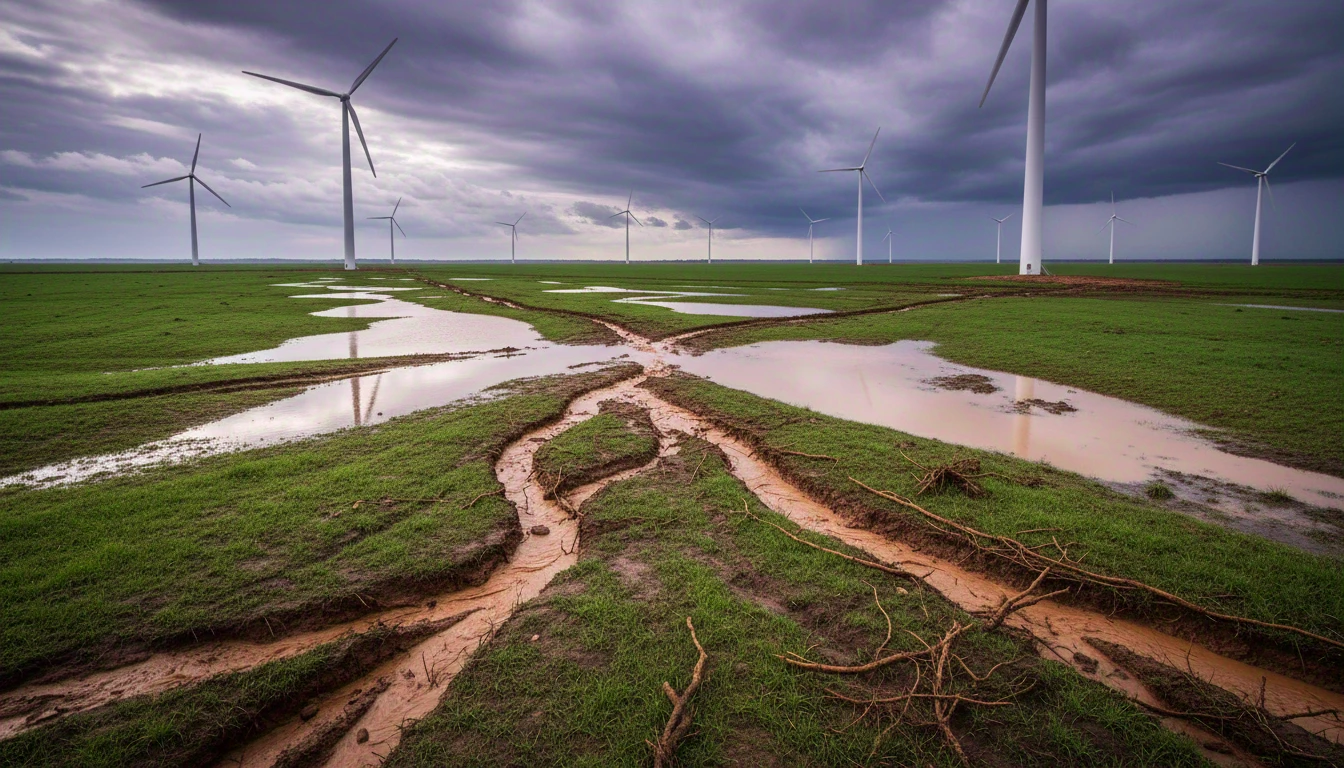
Understanding how these types of pipes work isn’t as difficult as it seems. They are buried in the ground (underground installation) and create a “path” for water to be carried away from the site. This eliminates the risk of flooding and helps control soil erosion and salinity. If the drainage system is installed in an agricultural region, local productivity can increase by up to 40%. And what is the difference between drainage pipes and ordinary closed pipes used for conveying liquids? In this case, the pipes have holes in their structure that allow water to enter. From this point, the water is directed to an infiltration well or to a municipal stormwater collection system.
And if there are holes all around the pipe, won’t the water “leak”?
This is a very common question when people first learn about drainage pipes. There are still drainage pipes used in so-called “French drains” that have holes only at the top or bottom. This was the case with ceramic pipes (the first perforated drainage pipes), later with concrete ones, and even with the first ones made of plastic polymers.
It turns out there are various ways to install drainage pipes; there are even some that come with a type of surface drain integrated into the underground drainage pipe. However, underground drainage pipes end up working more efficiently when perforated all around their circumference. When the ground becomes waterlogged and the water table rises, the pipe acts like a “sponge,” absorbing and conveying the water to another area. It doesn’t matter if there are holes on the bottom, because water (liquid) will always “seek” a freer path to flow.
HDPE corrugated pipes: why use them?
After understanding how drainage pipes work, it is essential to know the quality of HDPE corrugated pipes. They have corrugated walls, which make them more flexible compared to rigid materials like concrete and PVC. In addition to this advantage, HDPE corrugated pipes are also lighter and more durable, with a service life of at least 50 years when properly installed and buried. Techdreno by Techduto offers other interesting benefits:
- Corrosion resistance;
- Withstands natural soil movement;
- High chemical resistance and resistance to diametric compression;
- High resistance to temperature changes;
- Flexible;
- Easy installation.
Low cost
The cost-effectiveness of corrugated drainage pipes deserves special mention. This advantage stems from several factors, such as easy installation and durability. First, we must understand that corrugated pipe is flexible, can be bent without the need for fittings, and is easy to install. Therefore, they significantly reduce the costs of any construction project related to fittings and hiring specialized professionals. Furthermore, corrugated pipes offer another economic advantage: durability. Since they last more than 50 years, they do not need to be replaced quickly, unlike iron pipes. Additionally, the pipes are available on the Brazilian market, so there is no need to purchase them from foreign companies. Today, Techduto is one of the leading suppliers of this material in Latin America. The company has factories and distribution centers in the Northeast and Southeast regions of the country and is committed to serving its customers with the highest quality and the shortest possible lead times.
Where should drainage pipes be used?
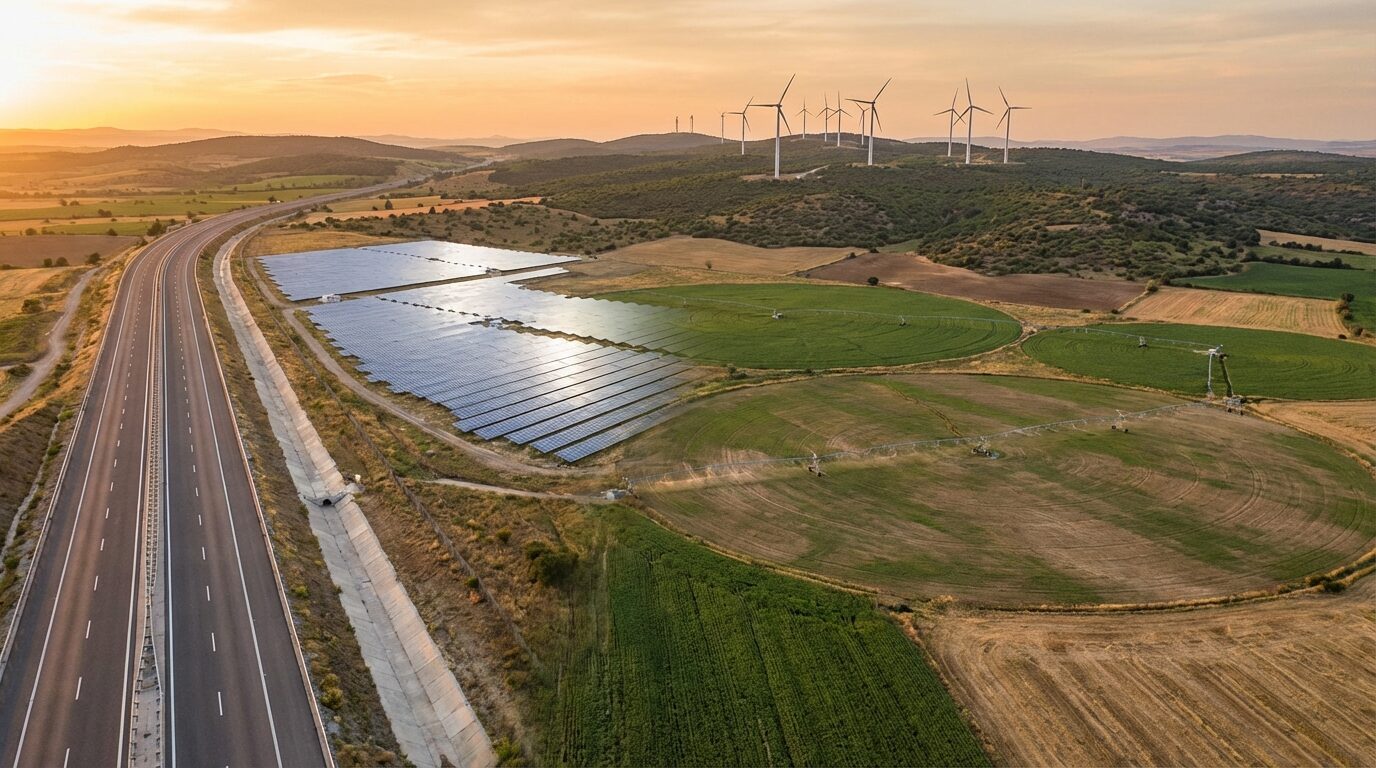
Although soil drainage is a simple and ancient technique, it is essential and has various applications. One of them is in agriculture, where drainage pipes help control soil moisture, erosion, and salinity, thereby improving agricultural productivity. In addition to agriculture, corrugated pipes are also widely used in landfills. They help drain the leachate that flows from the waste and direct it to the proper disposal area. This prevents soil contamination and the loss of large areas of land. On highways, drainage pipes prevent flooding. This significantly reduces the risk of accidents and road deterioration, thereby avoiding the need for costly repairs in the short term. The use of HDPE corrugated pipes is also common at airports. It is worth noting that water accumulation on runways can cause accidents. According to ANAC (National Civil Aviation Agency), standing water poses a danger to aviation operations, as it causes hydroplaning. In solar farms, drainage pipes allow rainwater to flow freely, reducing flooding in panel areas. This, in turn, protects the lives of workers and others around the facilities, as well as ensuring the integrity of electrical components. Discover the corrugated pipes in the Techdreno NBR and Techdreno SD lines. Of course, these are just a few examples of applications for Techduto’s corrugated drainage pipes. However, they can also be used in drainage systems for railways, gardens, and sports fields.
Types of Soil Drainage
https://www.youtube.com/watch?v=eLqH8NFZWyc
Drainage pipes can be adapted to the two most common types of water flow. Learn more about them:
- Surface drainage: ideal for flat terrain, as open drainage ditches or trenches are dug to channel water away. However, the downside is that it is not as efficient as subsurface drainage;
- Subsurface drainage: in this type, excess water is removed from within the soil using drainage pipes installed at greater depths and with steeper slopes. This is a process that requires more care and specialized knowledge, but it is the most recommended method for controlling the water table.
As you can see, each type of drainage is suited for a specific purpose. Therefore, it is advisable to thoroughly analyze the soil where the installation will take place beforehand.
Ensure greater efficiency in your projects with Techduto drainage pipes
Techduto is a Brazilian company with over 30 years in the market. Through investment in technology, logistics, and innovation, Techduto offers the domestic market affordable drainage pipes and a complete line of accessories for an efficient and durable system.