

Mining
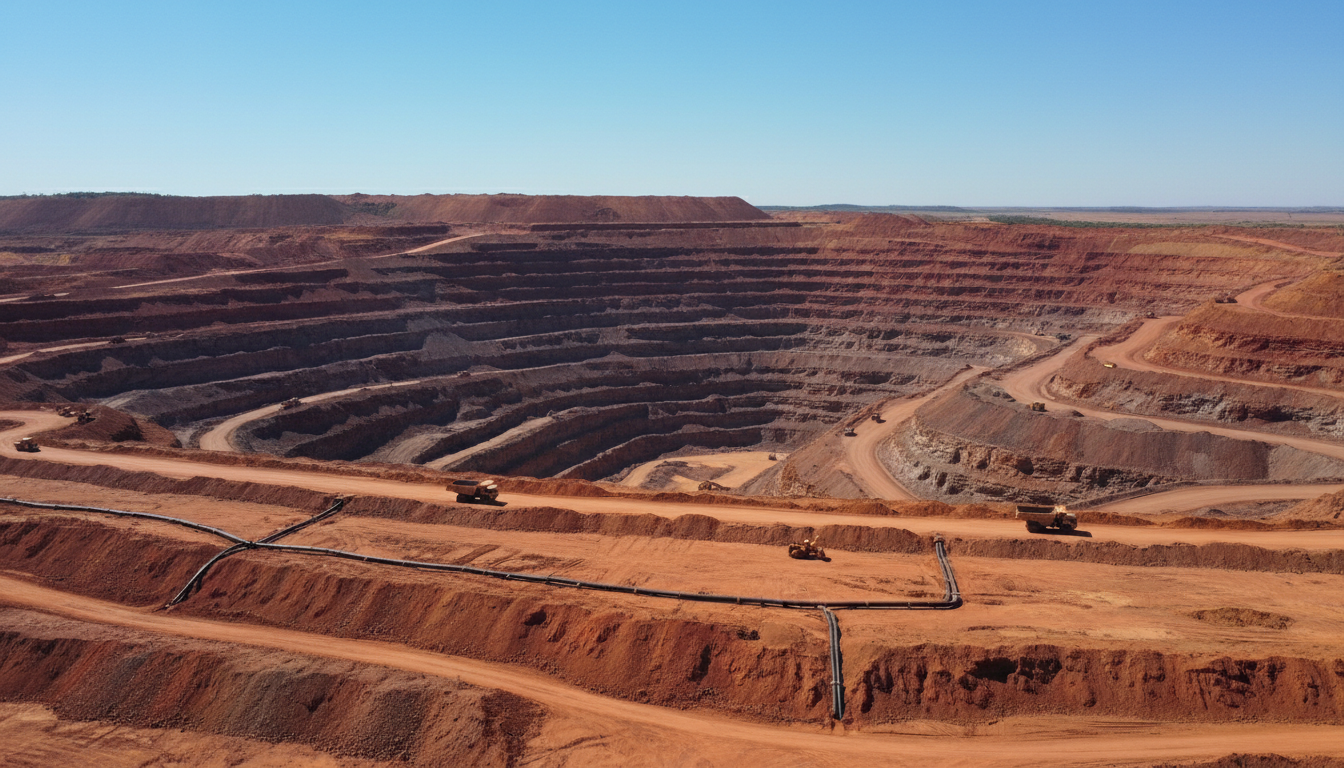
Waste rock pile drainage, dry stacking and erosion control with ANM compliance
The Challenge
Brazilian mining operates under increasing regulatory pressure following Law 14,066/2020, which bans upstream tailings dams and mandates decharacterisation of existing ones. Dry stacking is growing as an alternative — but requires efficient base drainage to ensure stability and compliance with ANM and the GISTM standard.
Beyond base pile drains, machinery yards and haul roads concentrate large volumes of HDPE pipe: conduits protect power and lighting cables for heavy equipment, while high-stiffness drainage pipes prevent mud from shutting down operations.
Techduto Solutions for Mining
Recommended lines, uses, and key features
| Product Line | Use in Mining | Key Advantage |
|---|---|---|
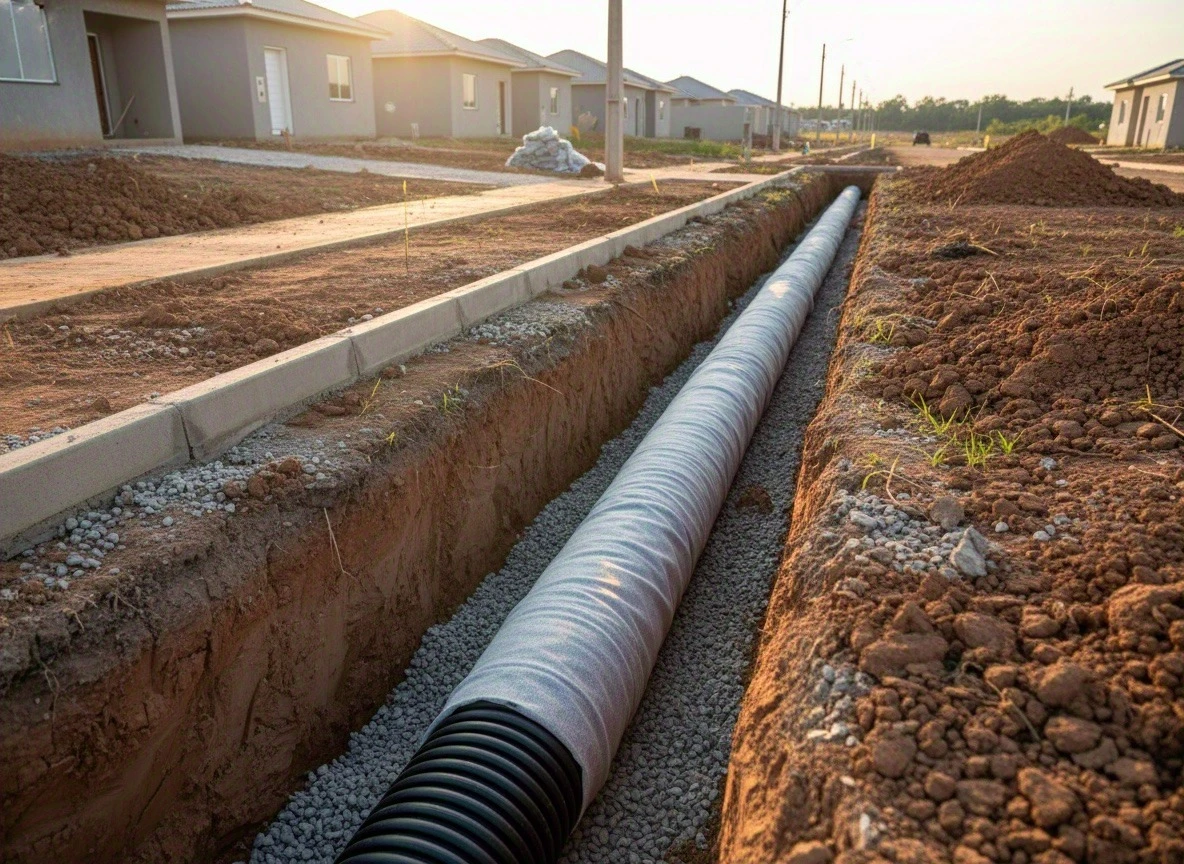
| Techdreno DW SN8 | Pile base drain, machinery yard and haul road drainage | SN8 ring stiffness, inert to acids and sulphates found in acid mine drainage |
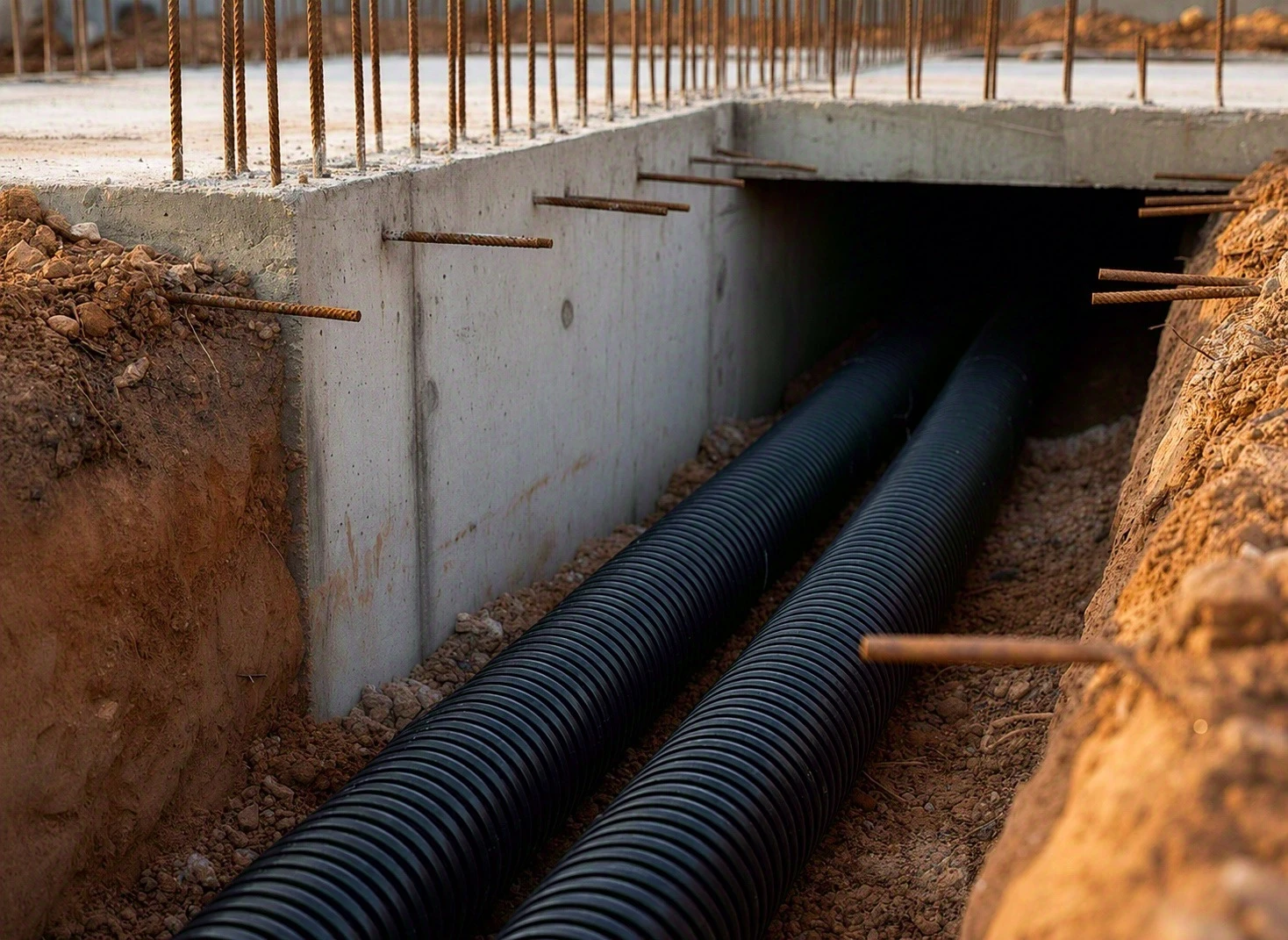
| Techduto NBR | HDPE conduit for power, lighting and automation cables on yards and haul roads | NBR 15715; impact, moisture and chemical resistance — no corrosion |
| Drainage Geocomposite | Drainage blanket under waste pile, dam cover in dry stacking | Replaces gravel with logistical advantage in remote mine sites |
| Bidim Geotextile | Chimney filter, separation and sediment barrier | Documented chemical compatibility (NBR 13246) |
| Techdreno KC | Horizontal relief drains in pile berms | Integrated filter envelope — no separate geotextile needed |
Challenges & Solutions
How Techduto solves each challenge in Mining
High pore pressure at waste pile base
Perforated HDPE pipe DN200–400 in a drainage geocomposite blanket removes water before it saturates the mass and reduces shear strength.
Fine migration into drain (clogging)
Filter geotextile and chimney filter around the pipe retain fine particles and maintain flow capacity throughout service life.
Mud in machinery yard and haul roads
Techdreno DW SN8 installed in parking and manoeuvring areas for excavators and off-road trucks drains rapidly and prevents bogging — and the operational downtime it causes.
Cable protection on haul roads and yards
Techduto NBR corrugated HDPE conduit (NBR 15715) protects power cables for yard lighting, beneficiation plants and substations along haul roads, resisting moisture, acids and heavy equipment traffic.
Surface erosion on waste pile berms
Drainage geocomposite and geotextile in perimeter ditches and chutes prevent gullying and sediment transport into water bodies.
ANM and GISTM compliance
Technically certified products (ring stiffness SN, permeability, chemical compatibility) streamline the audit dossier and Safety Management Plan.
FAQ
Common questions about Mining
Other sectors of activity
Have a project in this segment?
Our engineers specify the ideal solution for your needs.
SPEAK WITH AN EXPERT Request Quote via Form