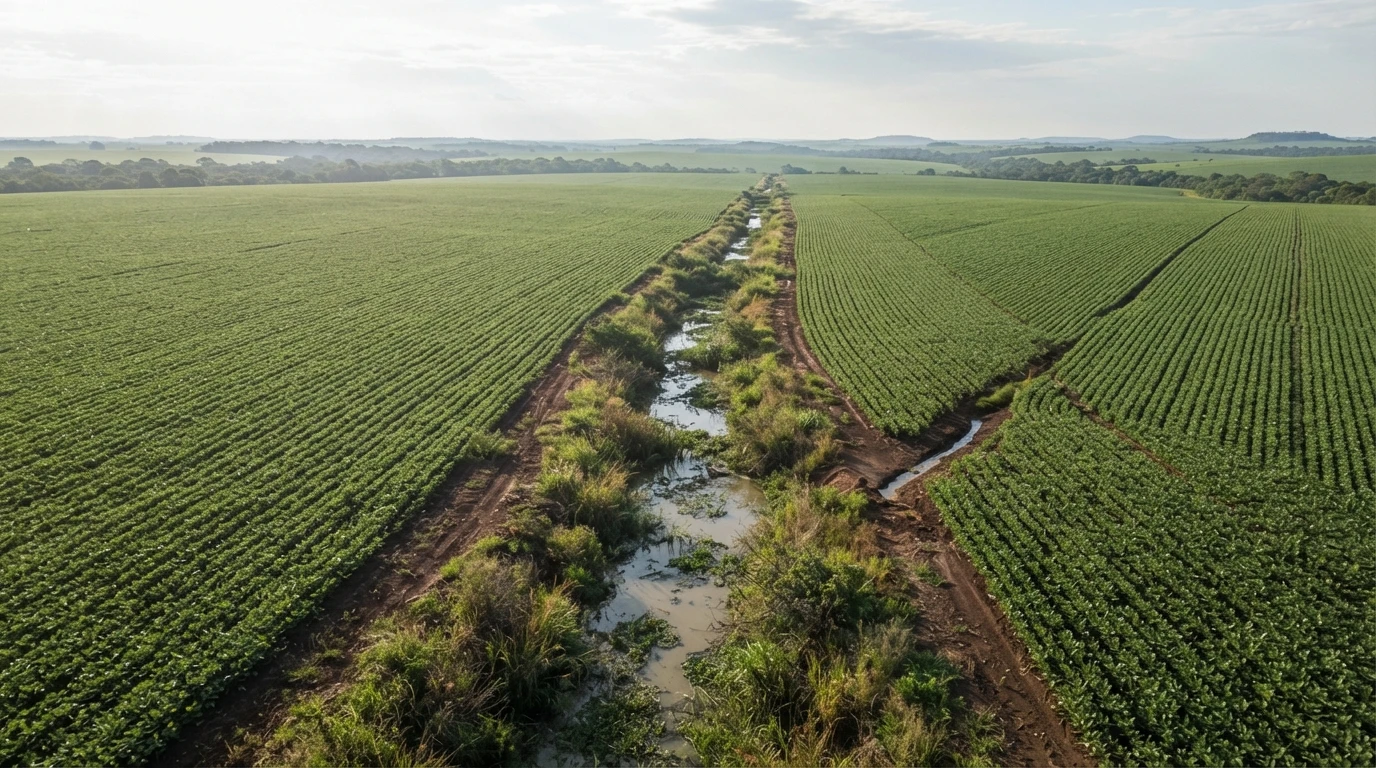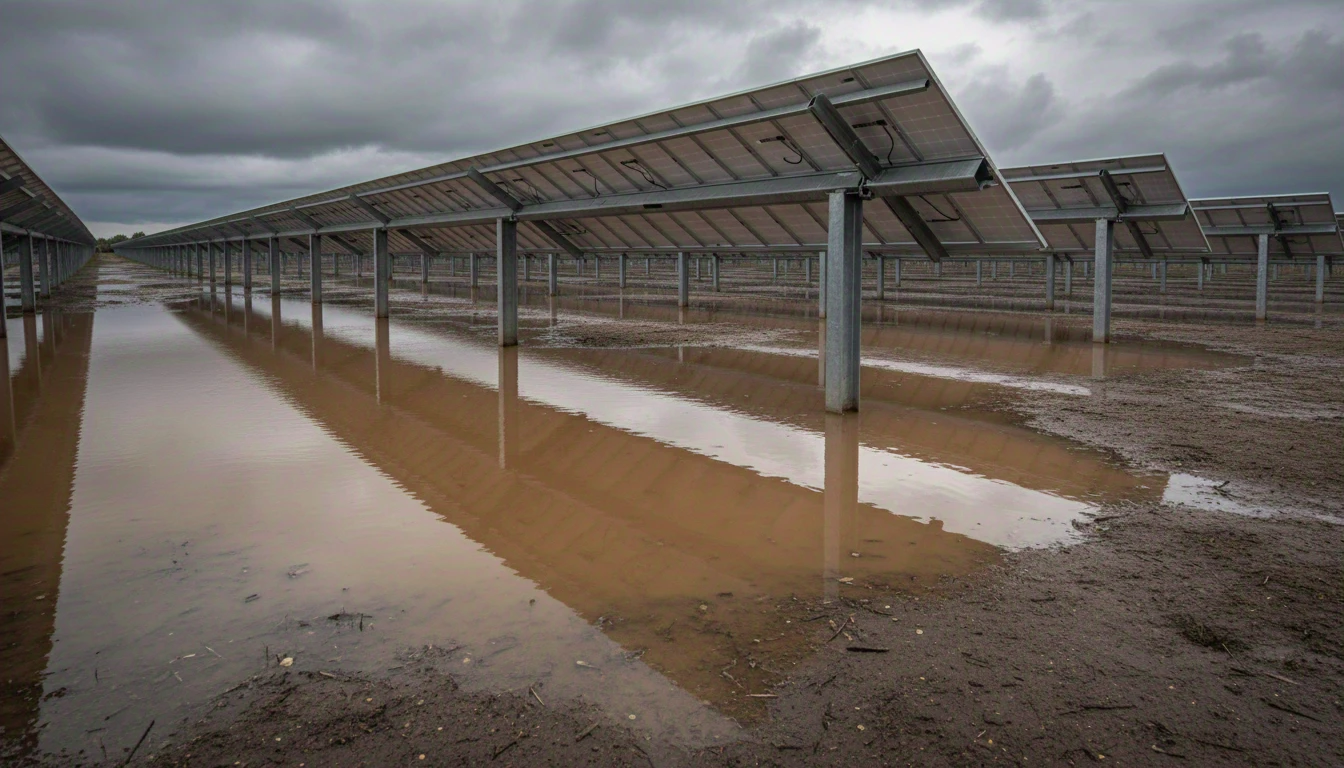


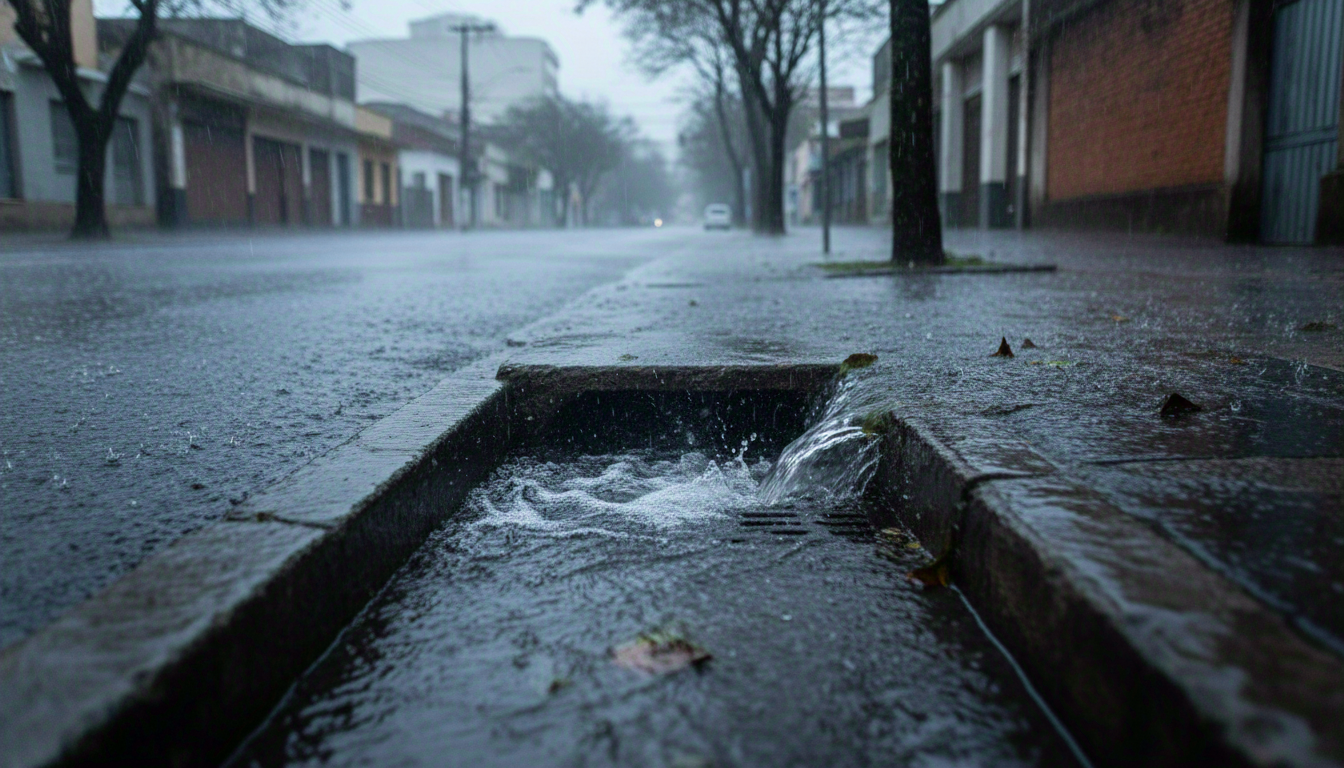
During the rainiest seasons, it is common to feel the effects of excess water and moisture, whether on land and fields or even on the streets. That is why a good storm drainage system is essential to prevent damage during heavy rain.
What is a stormwater drainage system?
A stormwater drainage system is a structure designed to channel rainwater in urban or rural areas. It manages water by controlling its transport, retention, treatment, and final disposal.
Through this system, water is directed into gutters, storm drains, and culverts, and can even be treated and reused. With a good stormwater drainage system, it is possible to prevent flooding, waterlogging, environmental damage, landslides, and even the spread of disease.
Types of stormwater drainage systems
There are two classifications for stormwater drainage:
- Micro-drainage: collection of surface or groundwater through small and medium-sized culverts;
- Macro-drainage: large-scale channels and other receiving bodies such as rivers and canals.
| Microdrainage | Macro-drainage | |
|---|---|---|
| Scale | Local (street, lot, block) | Watershed / city |
| Components | Gutters, storm drains, small and medium-sized culverts | Large sewers, canals, rivers, retention basins |
| Function | Collect and convey surface water | Receive and transport large volumes to the receiving body |

Why do I need stormwater drainage?
Stormwater drainage does more than just prevent flooding and waterlogging. There are many other benefits to investing in a stormwater management system.
With stormwater drainage, it is possible to reduce expenses related to the maintenance of land, public roads, fields, etc. Consequently, this benefits traffic in the area, where water drains quickly and flooded areas and muddy patches are eliminated.
Areas with a stormwater drainage system become safer for residents and visitors. This also increases the value of surrounding properties and businesses.
In addition, stormwater drainage allows for the lowering of the water table, a technique that controls the static level of the water table by pumping groundwater.
Lowering the water table aims to prevent water from interfering with construction projects, while in agriculture, it allows roots to grow deeper and, consequently, increases crop productivity.
How is stormwater drainage implemented?
To implement stormwater drainage, it is necessary to understand the factors involved, such as the type of terrain, the type of construction project, and the drainage structure, among others.
The slope of the terrain in stormwater drainage
One of the key considerations when planning the structure of a stormwater drainage system is the slope of the terrain. It can impact both water accumulation and the durability of the pavement and soil quality.
On paved surfaces, water tends to accumulate in one place because they are not completely flat. This contributes to the occurrence of leaks and pavement wear.
However, these surfaces should not be too steep, as this can cause soil erosion. The most common solution, therefore, is to maintain a slope between 1% and 2% (this can vary significantly in specific cases), depending on the type of terrain and the amount of water it receives.
Corrugated pipes for stormwater drainage
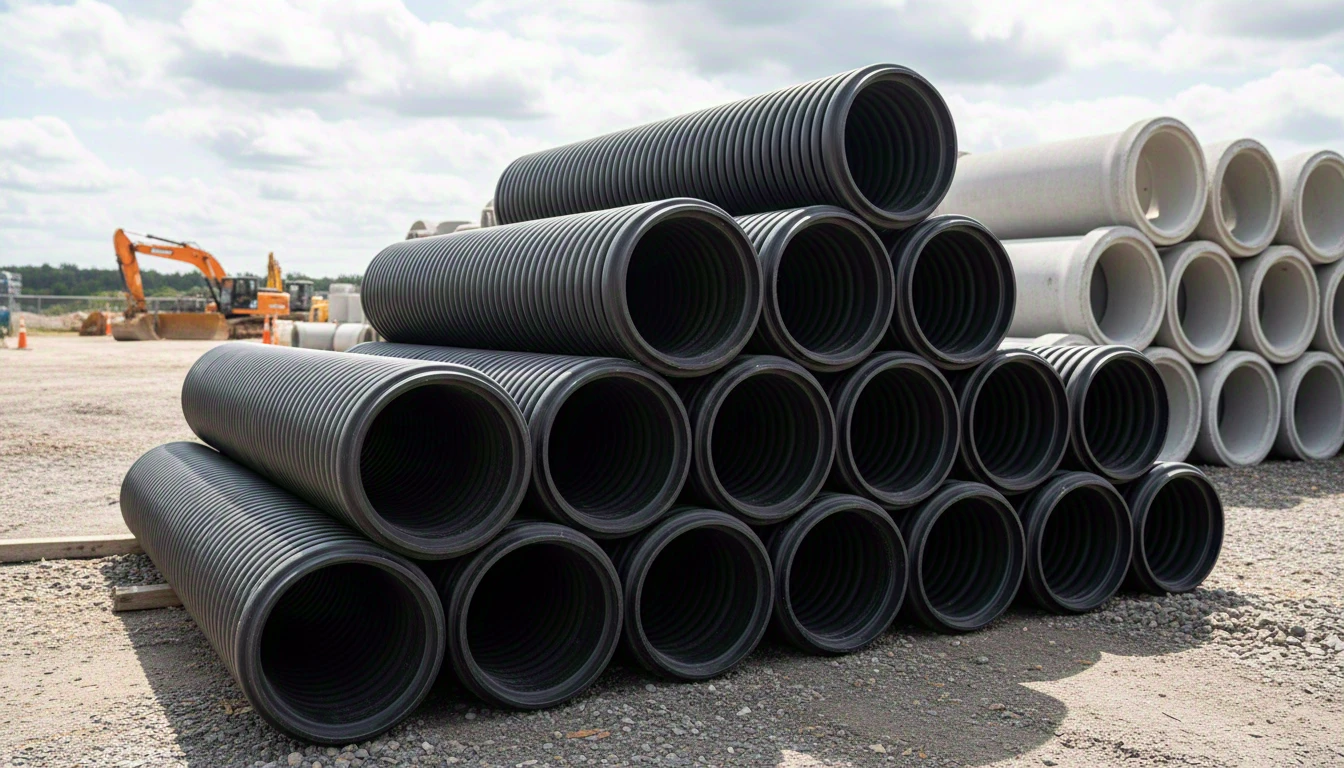
Using corrugated pipes for stormwater drainage has become the best option in the country. Techduto offers HDPE corrugated pipes for stormwater drainage, specially designed to support the weight of the soil with flexibility, ideal for making curves, and without the need for connections.
Manufactured from High-Density Polyethylene, corrugated pipes for stormwater drainage offer high resistance to soil pressure. This ensures the durability, quality, and efficiency of the drainage system, whether in construction projects, on public roads, in agriculture, etc.
Among the benefits of using corrugated pipes for stormwater drainage are:
- Low cost and quick installation;
- High material strength;
- Greater hydraulic efficiency, allowing for shallower installations;
- Greater sealing and watertightness, which prevents damage and subsidence in the ground.
Discover Techduto’s solutions for perfect stormwater drainage! Check out our products.