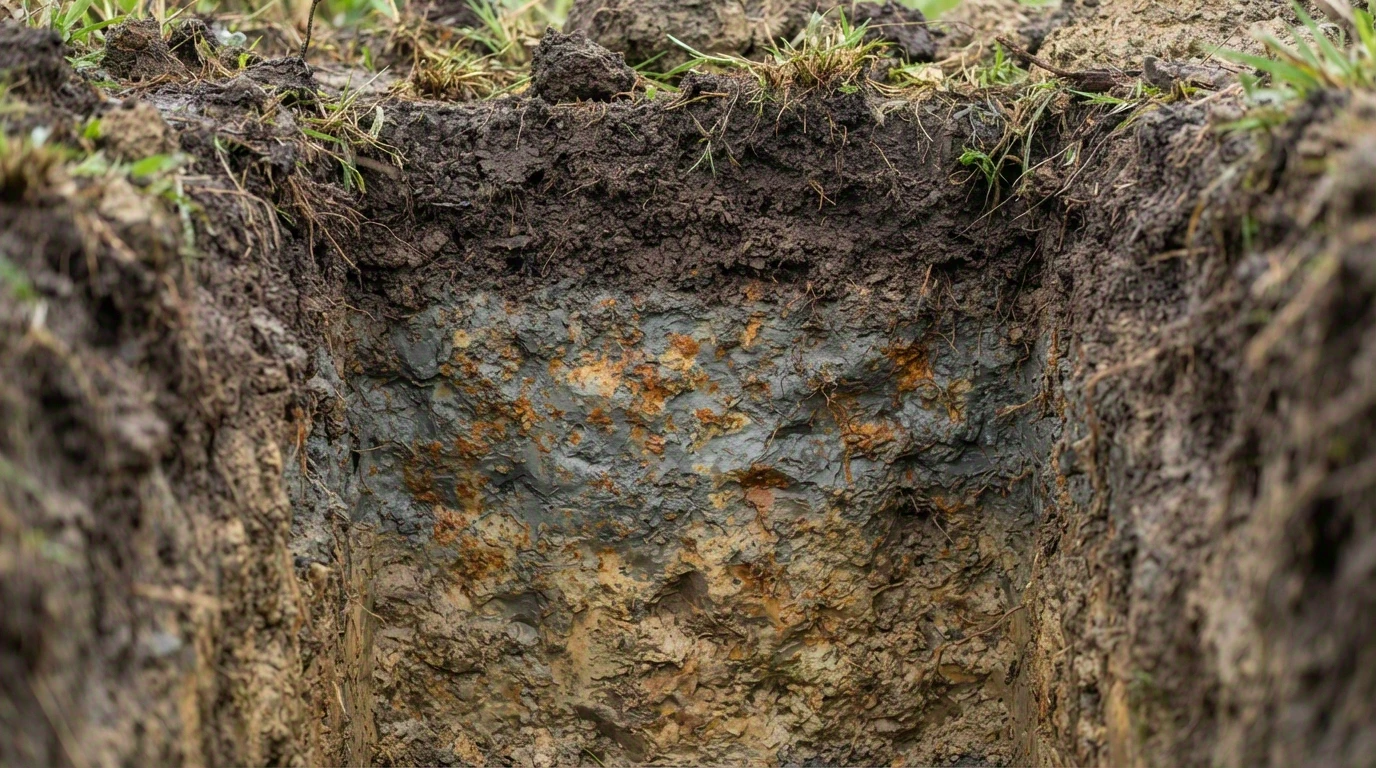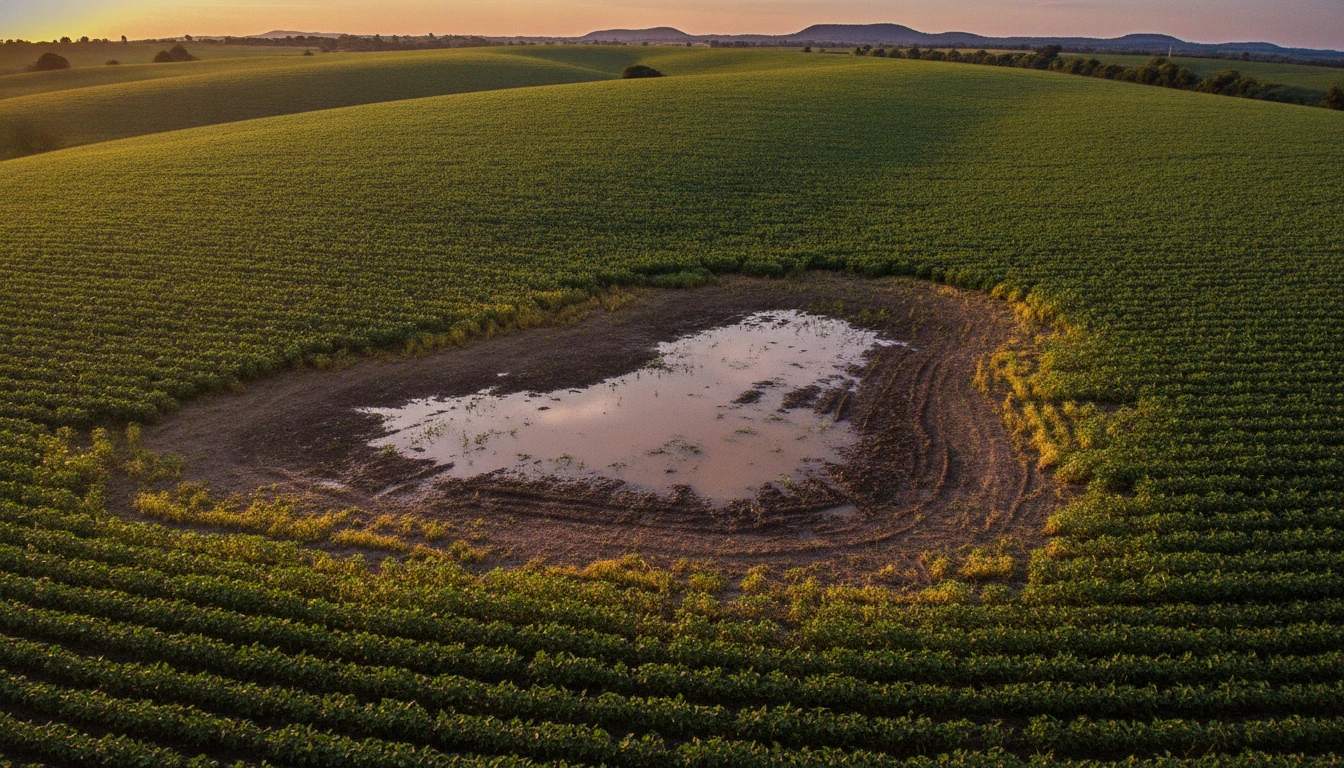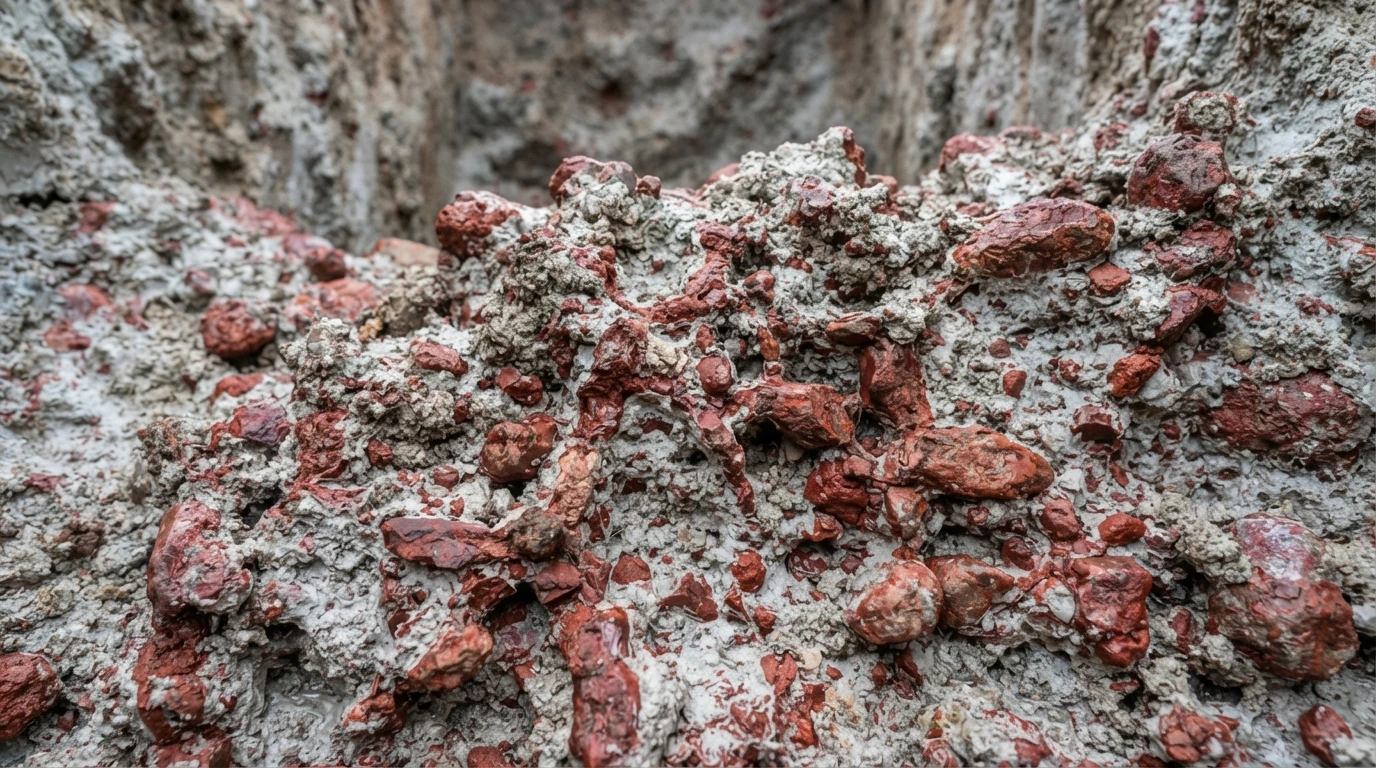

Eligible soil is not the only barrier to legally draining land in Mato Grosso. CONSEMA Resolution No. 36/2026 also requires that the intended crop have an agricultural aptitude classified as "good" — and only this rating is acceptable. Regular, restricted, marginal, or unsuitable: none of these qualify for drainage, no matter how technically the soil might be a Plinthosol. This article explains what this assessment is, who performs it, and what Annex II of the law requires in practice.
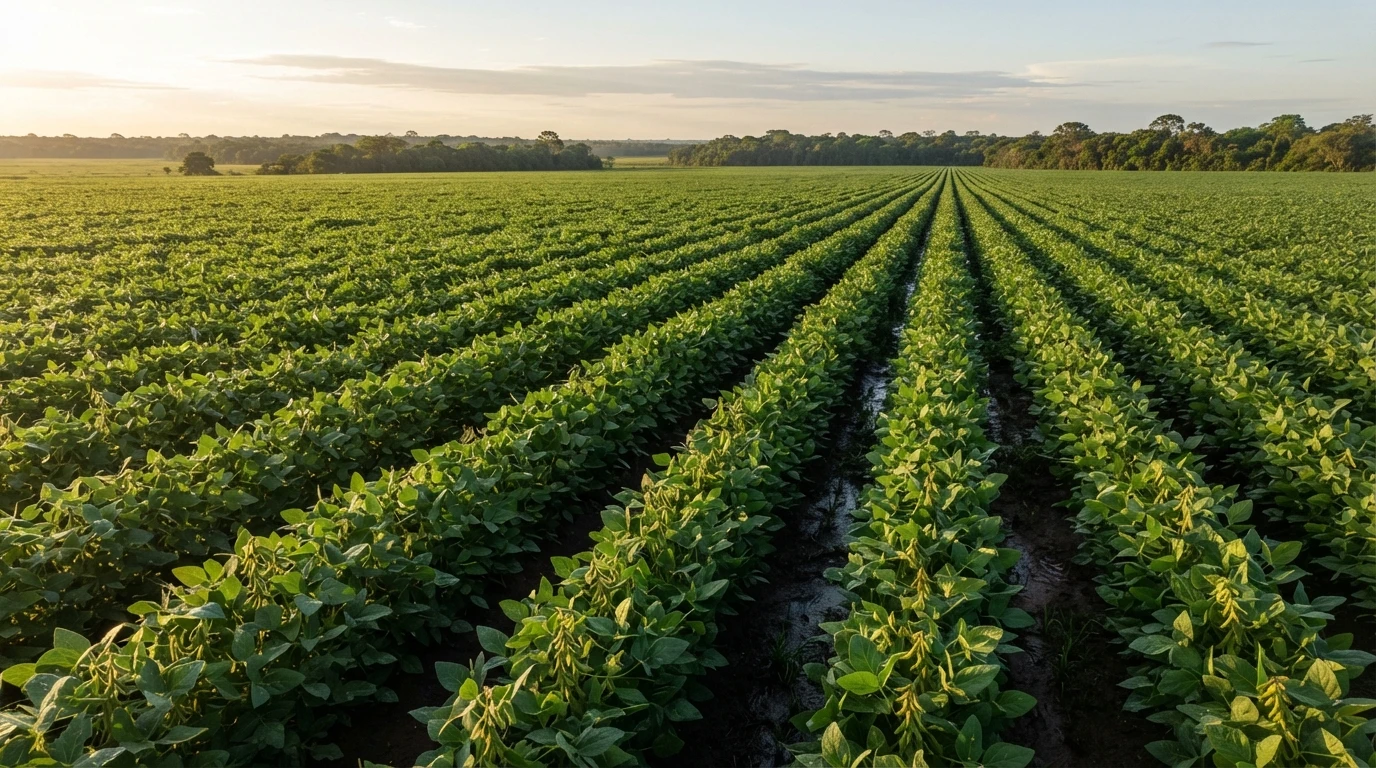
What is “agricultural aptitude” for drainage purposes
The regulation conditions the viability of drainage on demonstrating that the land has “good” agricultural aptitude for the crop the producer intends to cultivate there. The most confusing point is precisely this: agricultural aptitude is not a fixed rating of the property, as if each plot had a “score” set in stone. It is an assessment that crosses three variables simultaneously — the soil, the intended crop, and the level of management to be employed. The same area may have “good” aptitude for cultivated pasture with medium management and not have it for an annual crop with intensive management. This is why the law speaks of aptitude “for the intended crop,” not of land aptitude in the abstract.
Who assesses: SAAT
The assessment uses the Land Agricultural Aptitude Assessment System (SAAT) as its technical basis — the official reference methodology for classifying a soil’s productive potential, considering fertility, natural drainage, susceptibility to erosion, and ease of mechanization, always in relation to different levels of technological management. It is not a check that the producer performs alone by looking at the crop: it requires a specific technical study, in the same spirit as the pedological characterization that the law already requires to confirm Plinthosols.
The standard is rigid by design: the law lists five possible classifications — good, regular, restricted, marginal, and unsuitable — and only the first qualifies for drainage licensing. There is no middle ground or exception for proximity: if the technical assessment classifies the aptitude as regular, it is already outside what the regulation permits.
The profile Annex II requires for “good” aptitude
The law does not leave the classification open — Annex II describes, in a table, the exact combination of factors that characterizes “good” aptitude for drainage purposes in hydromorphic soil:
| Factor | Requirement for “good” aptitude |
|---|---|
| Admitted soils | Plinthosols clayey and typical |
| Soil condition | Minimum of 15% clay |
| Natural drainage | Imperfect to moderate |
| Crop type | Annual, perennial, or cultivated pasture |
| Management level | Medium or high (excluding very intensive or specialized management) |
Note that the first two items — Plinthosol and minimum 15% clay — are the same soil criteria that already apply to general eligibility. The novelty here is the cross-referencing with the crop type and, especially, with the management level: the regulation explicitly excludes very intensive or specialized management from the “good” range. This means that a highly technified project, even on technically eligible soil, may not qualify if the proposed management level exceeds what Annex II permits.
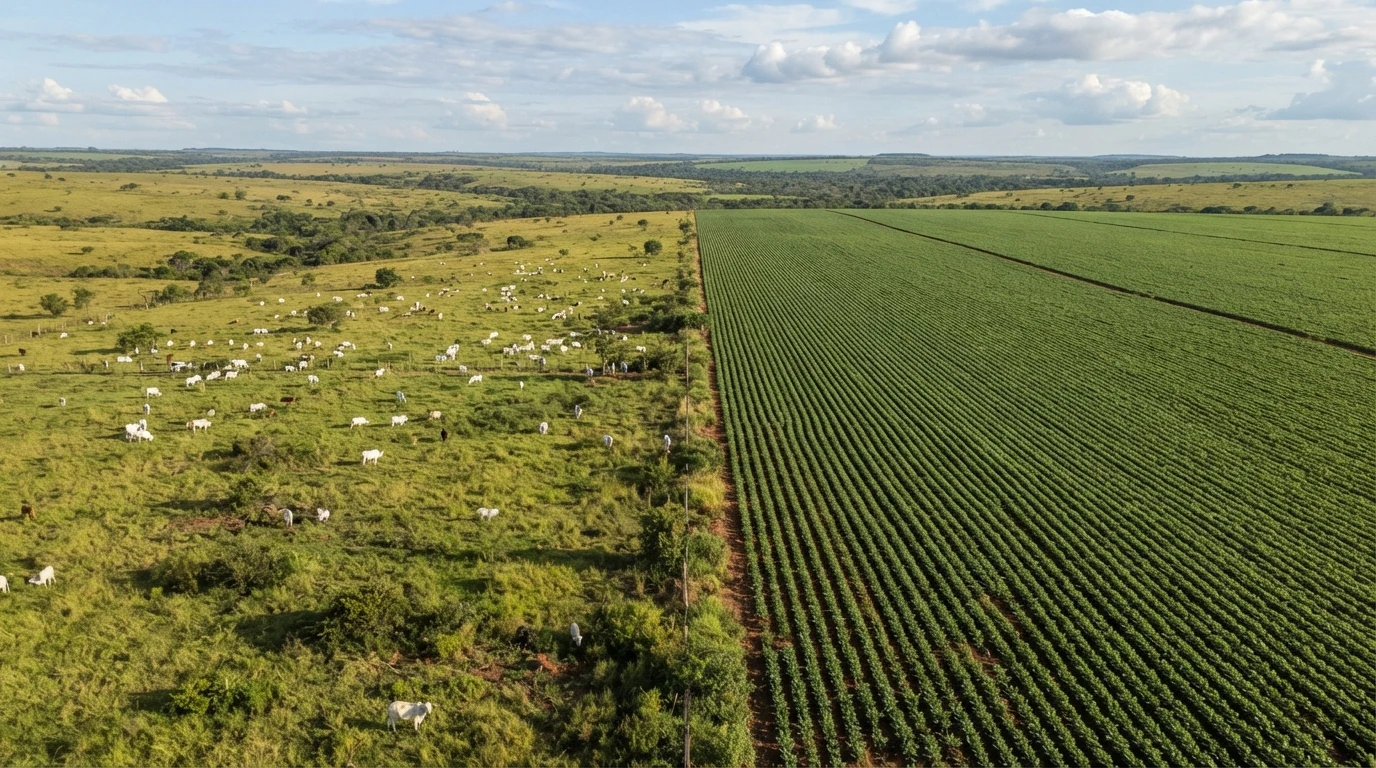
Why this changes the project, not just the paperwork
In practice, this criterion pushes the decision to before the engineering project, not after. Defining the intended crop and management level is part of the initial survey — along with soil characterization — because it is this combination that determines whether the area passes the Annex II aptitude filter. Discovering after investing in a project or installation that the intended management does not fit is the type of costly rework that a well-done initial technical survey avoids.
To understand the complete picture of the three eligibility criteria — Plinthosol, clay content, and aptitude — together, the article on the new law’s technical criteria provides an overview. And to understand the difference between the soil subtypes included in this assessment, the article on typical and clayey Plinthosols details the physical distinction between them.
The first step
The classification of agricultural aptitude for drainage purposes depends on a technical study — it is not something resolved with a field estimate. If you are evaluating whether a low-lying area or hydromorphic soil in MT can support a drainage project, the drainage diagnosis is the starting point, and the Techduto engineering team can support the technical survey that underpins both the drainage project and the licensing process.