

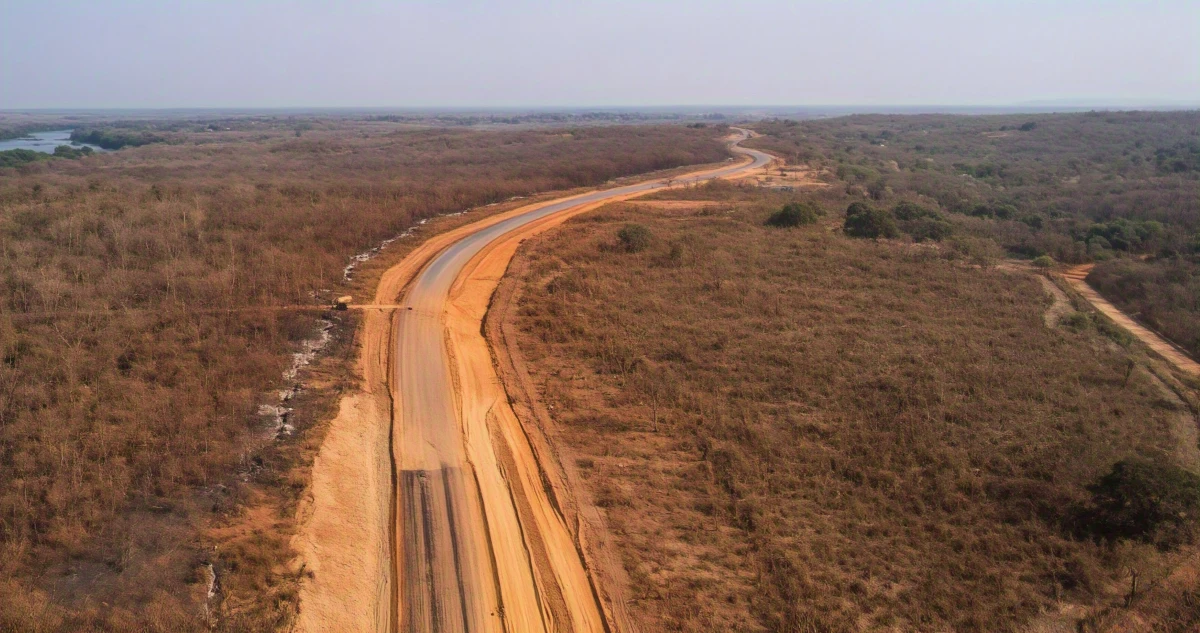
Rural roads are the arteries of agribusiness and rural life. When these roads fail, crop transportation stops, school transport is interrupted, and fleet maintenance costs skyrocket. The biggest enemy of these roads is not just heavy traffic, but the inadequate management of rainwater.
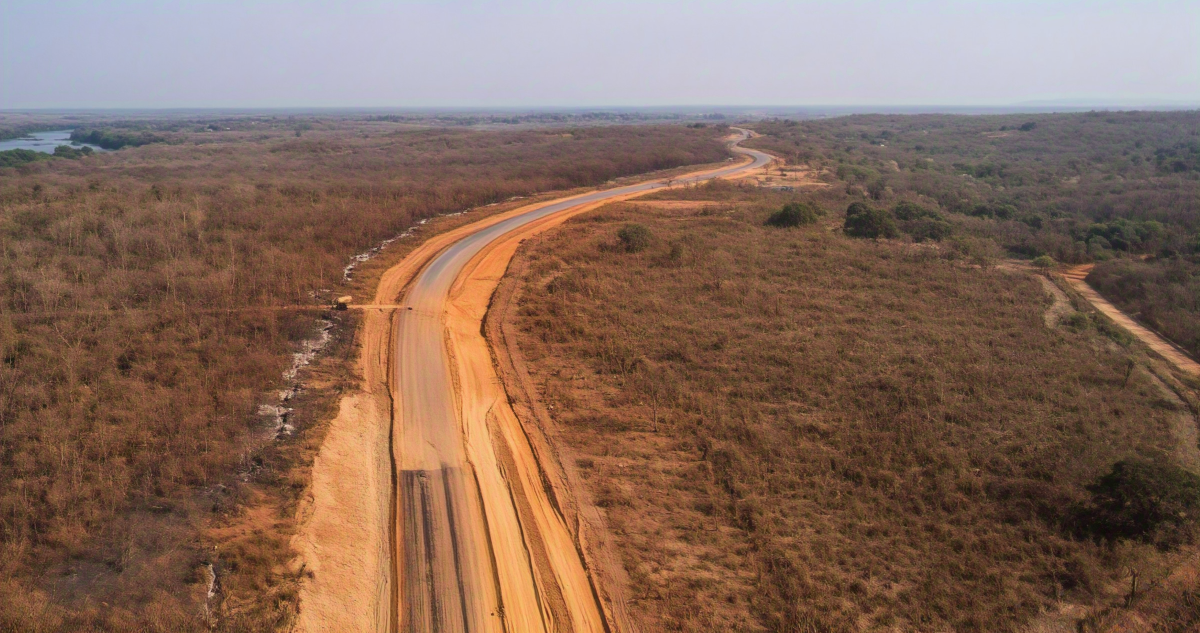
Without an efficient drainage system, water accumulation degrades the pavement, dissolves gravel, and creates the ideal scenario for the emergence of mud pits and deep erosion.
Why is rural road drainage the best investment?
Many municipalities and producers focus only on grading and graveling. However, without drainage, this work is lost in the first heavy rain. Rural road maintenance must be approached structurally, focusing on three critical points:
Rainwater control on roads:
It is necessary to remove water from the road surface as quickly as possible through crowning and side ditches.
Water drainage on roads:
Ensure that the water collected by the ditches has a safe destination (retention basins or sedimentation ponds) to prevent it from gaining speed and causing erosion on rural roads.
Subsurface drainage:
Essential for lowering the water table and preventing the road base from becoming saturated, which is the main cause of mud pits on rural roads.
To better understand the technical challenges, check out our article on 7 common drainage problems.
Essential elements for a problem-free road
To ensure year-round trafficability, the project must consider integrated solutions. Knowing the most used drainage systems helps in choosing the best technique for each terrain.
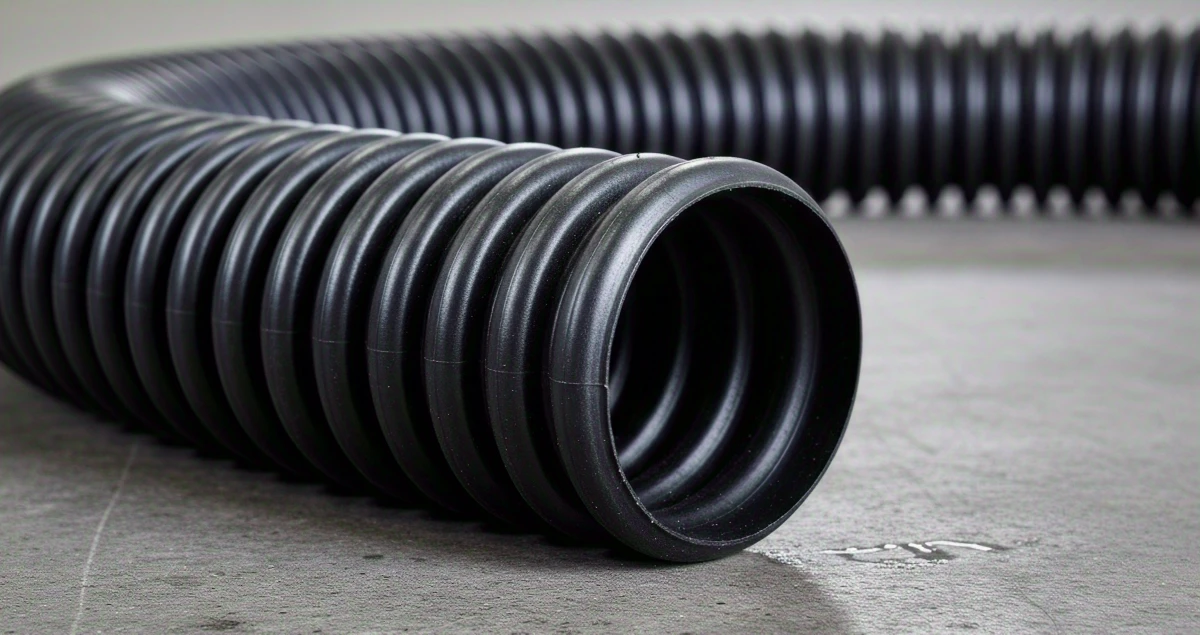
Culverts: Essential where the road crosses watercourses or low-lying areas. The use of large-diameter HDPE pipes has replaced concrete due to ease of transport and speed of installation in remote areas.
Subsurface Drains: In sections where the soil is naturally waterlogged, subsurface drainage prevents the weight of trucks from breaking the road structure.
Protection Ditches: Prevent water from higher areas (pastures or farmlands) from reaching the road at full force.
Learn more about the importance of these structures in the guide to stormwater drainage: everything you need to know.
The cost of inaction
Ignoring road drainage problems is expensive. Reworking with machinery, lost cargo, and maintenance of suspensions and tires are direct losses. When water is controlled, the road’s lifespan triples, and the need for heavy machinery interventions drops drastically.
The durability of a rural road begins with drainage. When planning rural infrastructure, choosing resistant materials, such as high-performance pipes, ensures that water follows its course without destroying the assets.
Need technical support to specify the drainage system for your road or property? Techduto offers HDPE solutions that combine mechanical strength and hydraulic efficiency for the most challenging scenarios in the field.
FAQ :
- What is the main cause of erosion on rural roads?
The main cause is inadequate rainwater management. When water lacks an efficient drainage system (ditches and culverts), it runs over the road surface, gaining speed and removing gravel, which creates ruts and gullies. - How to prevent mud pits from forming on rural roads?
To prevent mud pits, it is necessary to ensure subsurface drainage. In addition to draining surface water, it is essential to lower the water table in critical sections, preventing the road base from becoming saturated and losing its load-bearing capacity. - Why use HDPE pipes instead of concrete pipes on remote roads?
HDPE pipes are lighter, facilitating transport to hard-to-reach areas, and have greater resistance to impacts and vibrations caused by heavy truck traffic, in addition to being installed much faster.