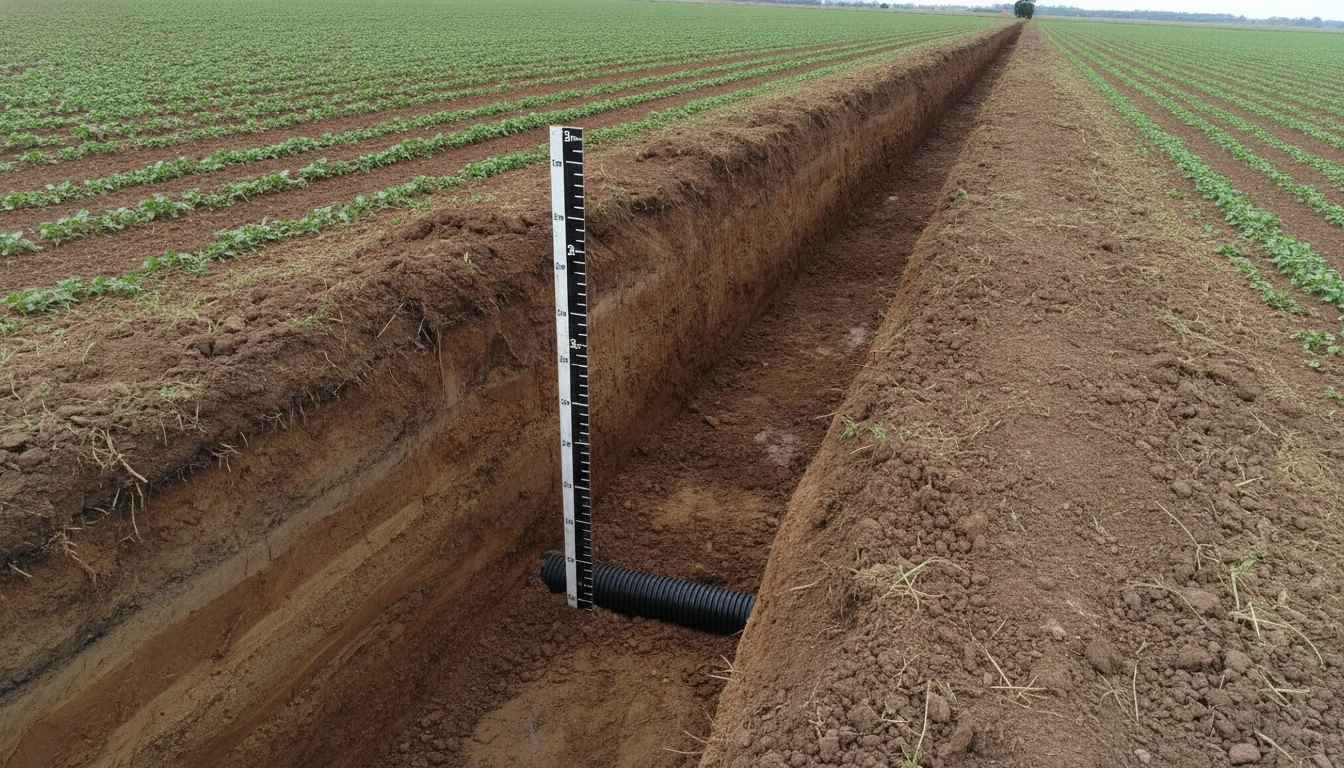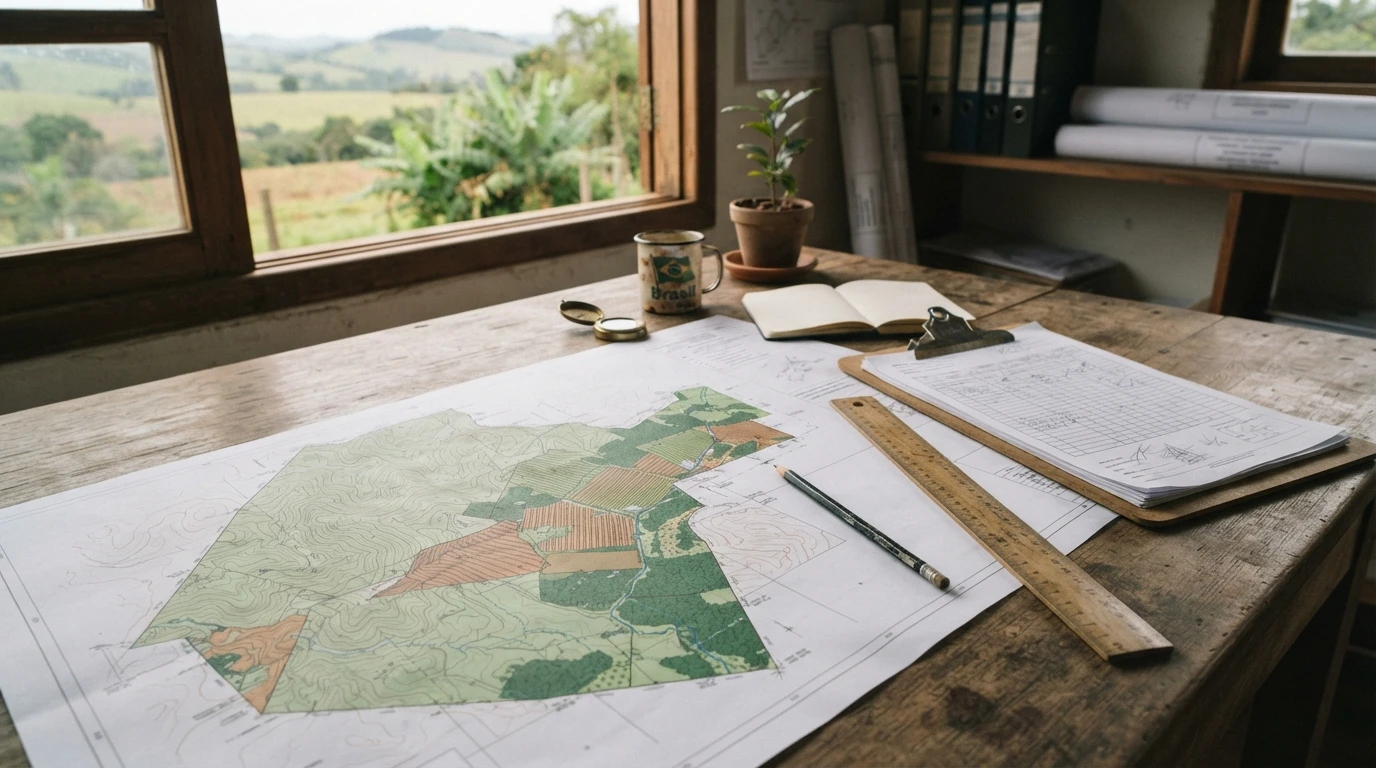


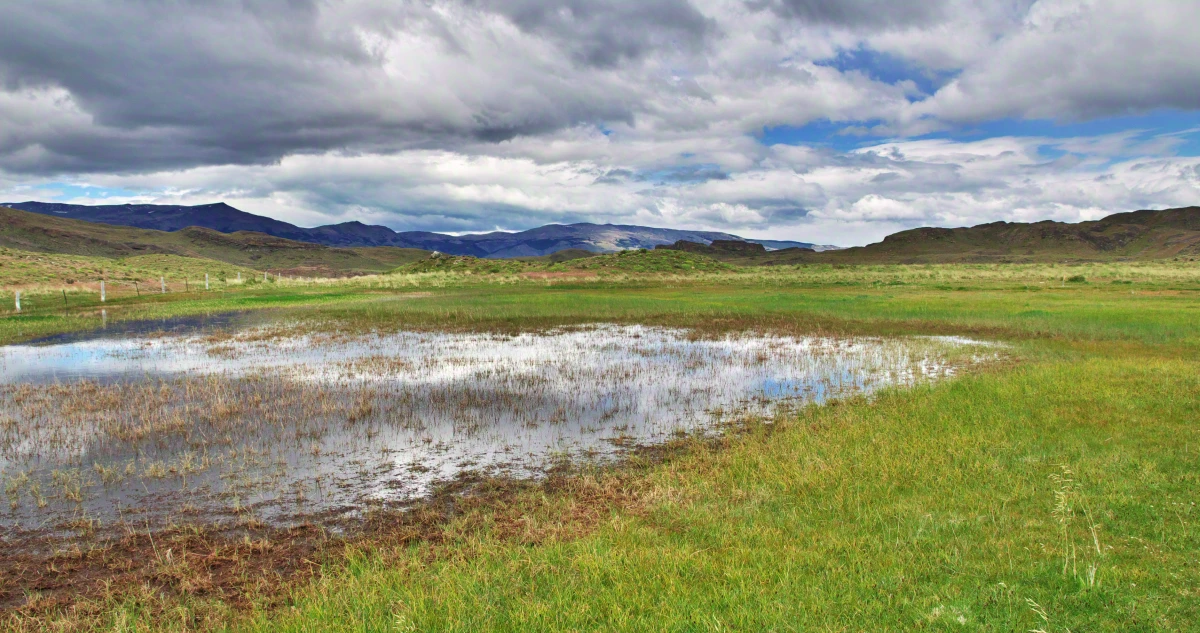
Investing in a drainage system and realizing that, during the first heavy rain, water continues to accumulate is one of the biggest financial bottlenecks in infrastructure works and agribusiness. Most of the time, the failure is not in the product, but in serious execution errors.
The loss of efficiency of a water drainage system does not happen by chance. It is the direct result of misguided technical choices that compromise the entire structure. If you are facing problems, check out the most common errors that may be occurring in your installation.
1. Inadequate sizing and undersized pipe
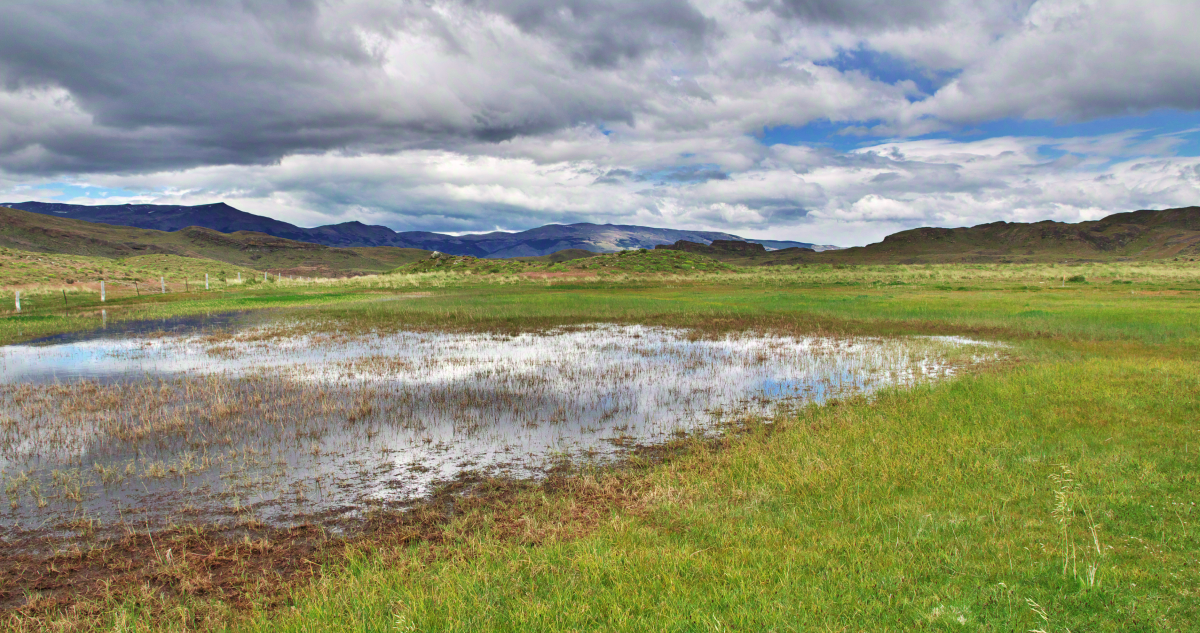
The error begins even before the first excavation. Inadequate sizing is the number one cause of overflowing systems. Using an undersized pipe or one with an insufficient diameter for the water volume of the contributing basin causes the system to become overloaded and unable to drain the necessary flow.
Often, there is an attempt to save money on material purchase, but the incorrect pipe choice leads to rework costs that can be three times higher than the original project. To understand how planning prevents losses, read about intelligent drainage.
2. Incorrect slope and lack of fall
Water moves by gravity. It seems obvious, but incorrect slope is a recurring error. The lack of fall prevents water from gaining the necessary speed for drainage, causing sediment accumulation inside the piping.
Over time, this deposited material causes blockages and even leaks at the joints, compromising the foundation of the work or the productive soil. If water doesn’t flow, the system is just a moisture repository. Check out other 7 common drainage problems to diagnose your area.
3. Insufficient soil compaction
A drainage pipe needs to work in conjunction with the surrounding soil. Insufficient compaction of the trench sides and top leaves the pipe vulnerable to deformation caused by the weight of the earth or machine traffic.
When the soil gives way, the pipe can “belly” or lose alignment, creating areas where water becomes stagnant. In extreme cases, the lack of adequate compaction causes structural collapse of the piping.
4. Absence of preventive maintenance and technical supervision
Thinking that drainage is an “install and forget” work is a strategic mistake. The absence of preventive maintenance — such as cleaning inspection boxes and culvert outlets — drastically reduces the system’s lifespan.
Furthermore, the lack of qualified technical supervision during execution allows level and connection errors to go unnoticed until the first storm reveals the problem.
To delve deeper into best practices, see our guide on stormwater drainage: everything you need to know.
Conclusion: Engineering is the best way to avoid losses
Fixing a failed drainage system is much more expensive than executing it correctly the first time. Correct material specification, precise flow rate calculation, and rigorous execution are the pillars of a durable work.
Techduto is a technical partner for designers and contractors, offering high-performance piping and support to prevent these common errors from compromising your investment.
Does your drainage project require technical assurance? Talk to Techduto and ensure the efficiency your project demands.
FAQ:
- What happens if I install the drainage pipe without the correct fall?
Without the correct slope (or lack of fall), water becomes stagnant inside the pipe. This causes sediment accumulation (sand, silt), which eventually clogs the system and requires very expensive maintenance. - How to prevent the drainage system from clogging over time?
The secret lies in using the appropriate geotextile fabric and installing inspection boxes. Additionally, correct pipe diameter sizing ensures that water velocity aids in the system’s self-cleaning. - What is an undersized pipe?
It is when the pipe diameter is smaller than the volume of water the area receives. During intense rains, the system cannot handle the flow rate, causing overflows and giving the false impression that the drainage is not working.