

HDPE Corrugated Pipe — Techduto NBR
Cable protection certified to NBR 15715 — 750 N and a service life of over 50 years
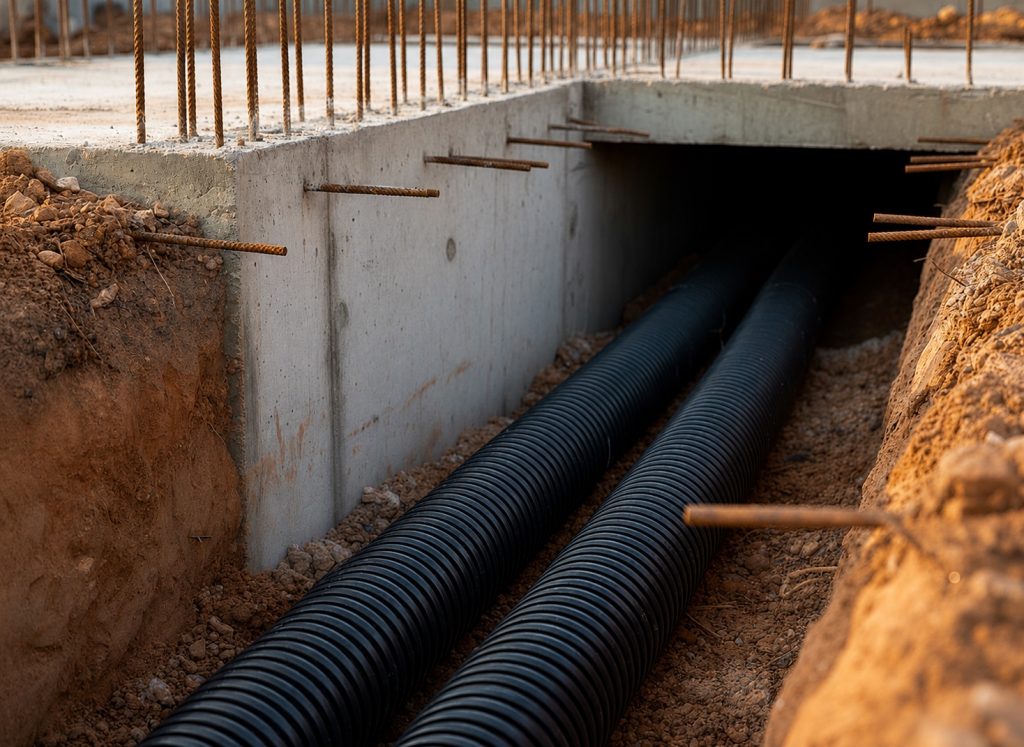
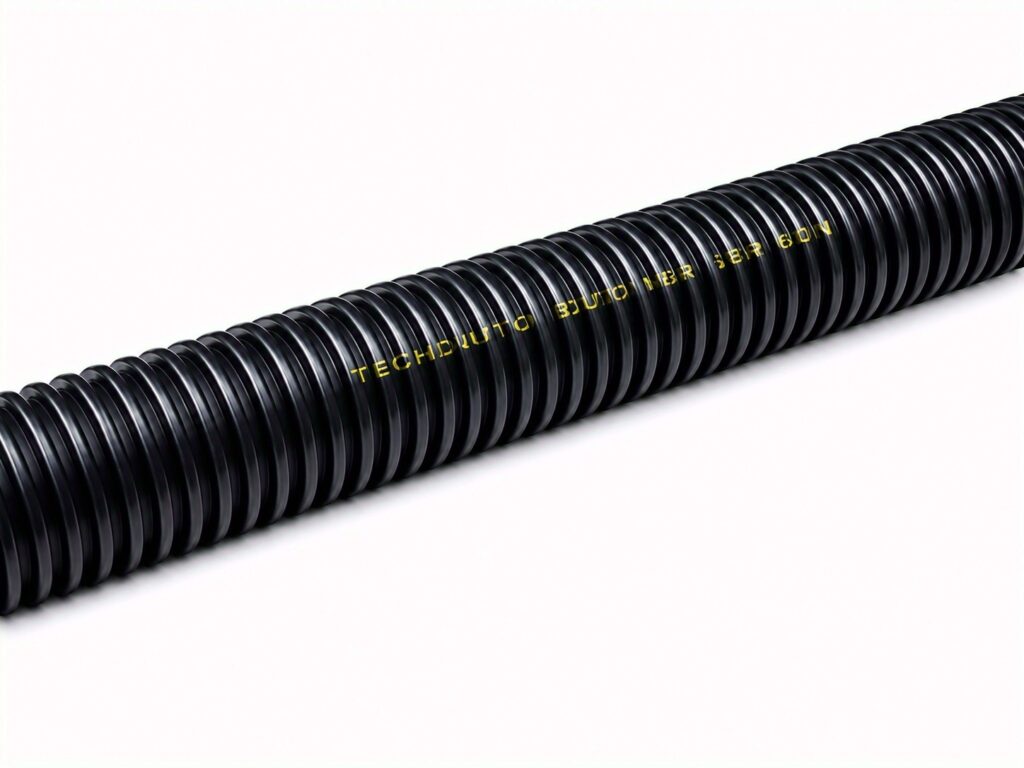
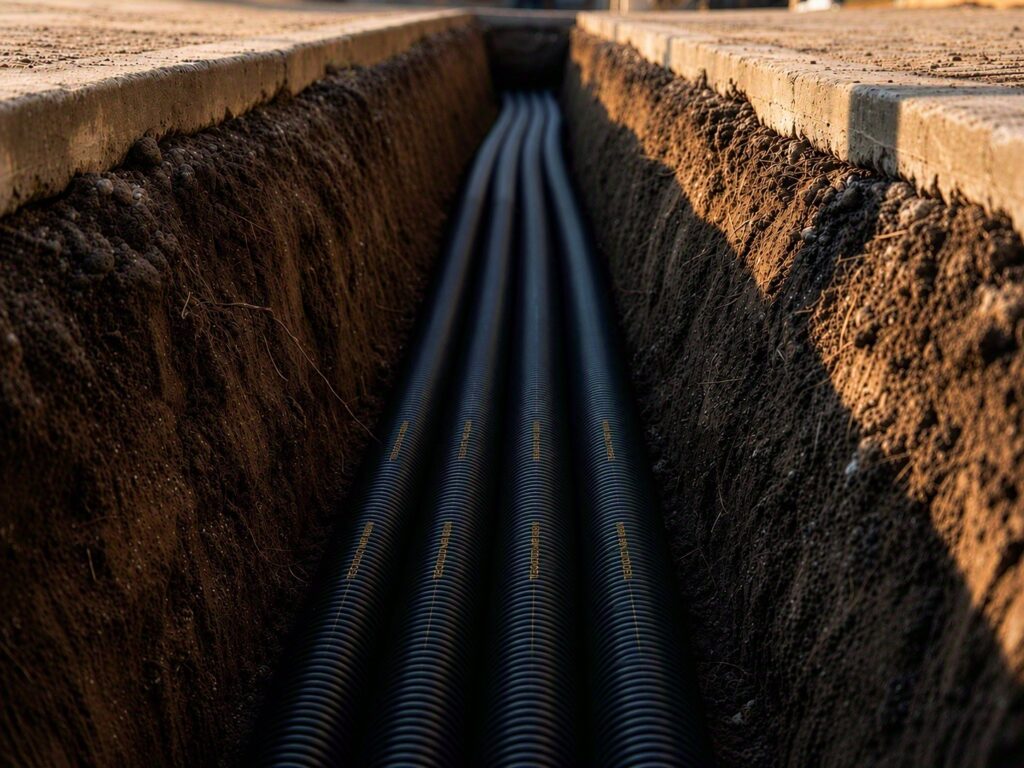
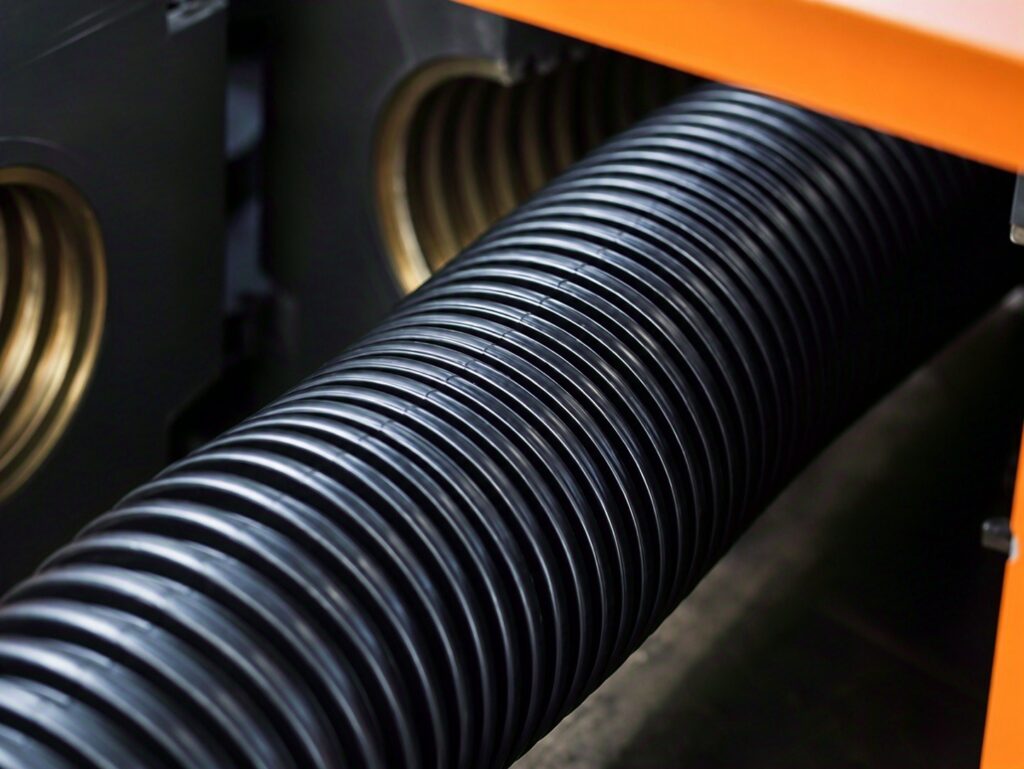
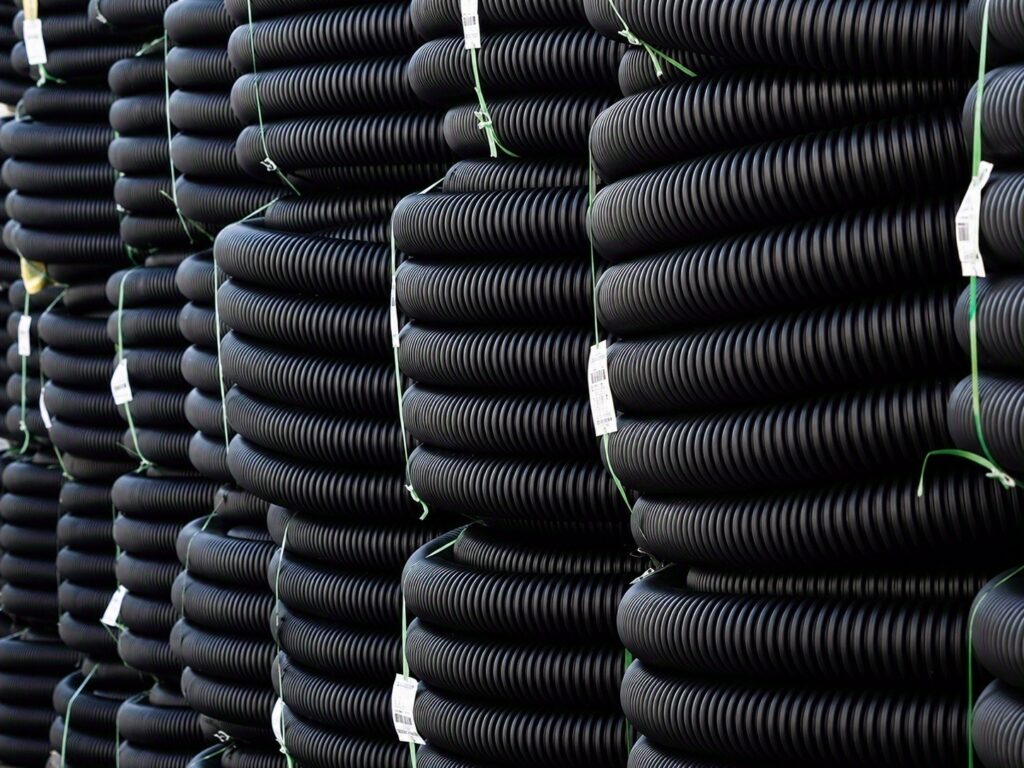
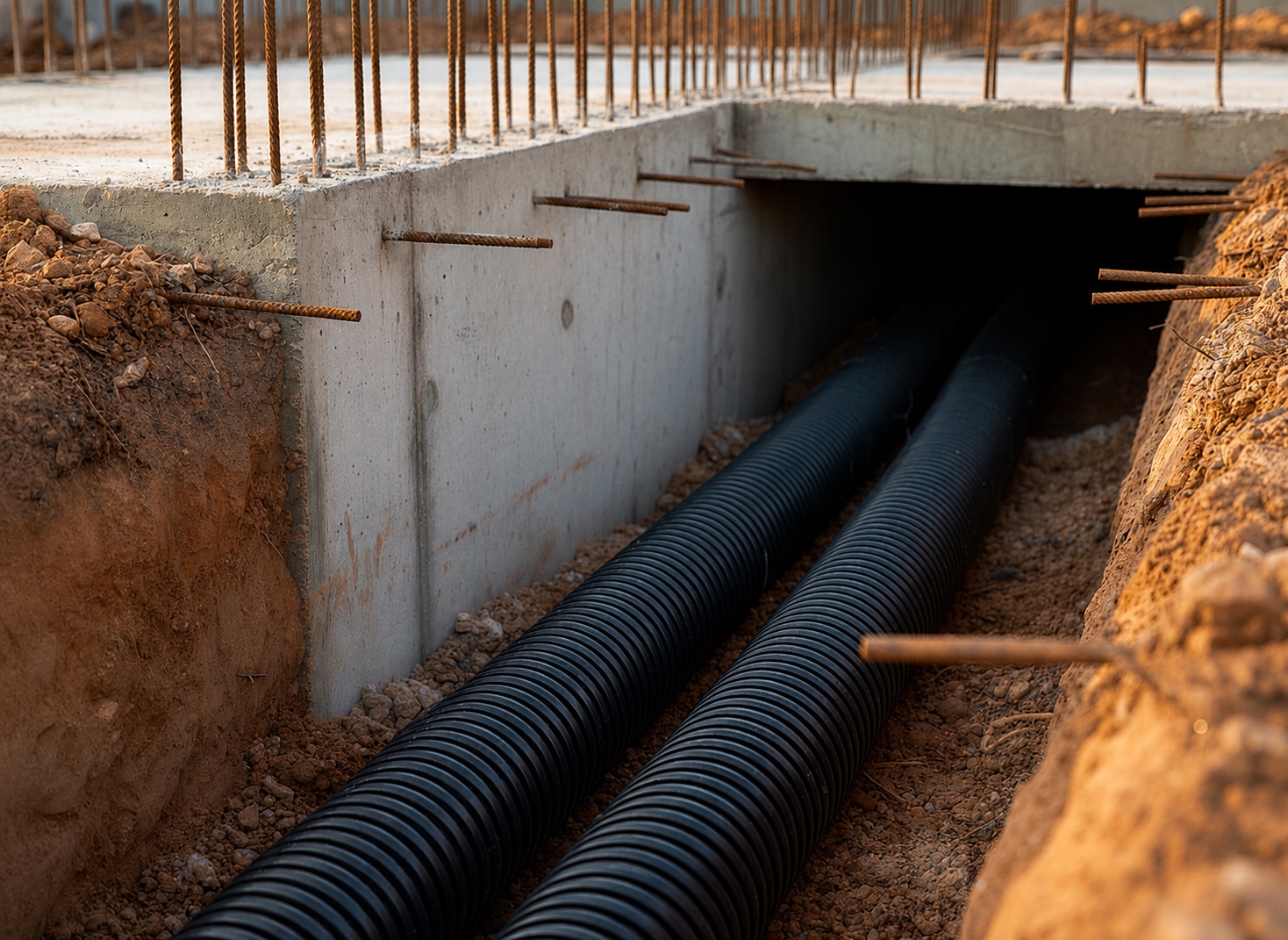
Flexible corrugated HDPE conduit compliant with NBR 15715, with a tensile strength of 750 N, an integrated cable guide, and a service life of over 50 years, designed to protect electrical, telecommunications, and fiber-optic cables. Also available in special UV and AC lines formulated for solar power plants.
The Problem
Metal and concrete conduits used to protect cables are susceptible to corrosion in acidic soils, require costly maintenance, and have a limited service life. Their heavy installation requires specialized equipment and larger crews, increasing both costs and project timelines.
The HDPE Corrugated Pipe Solution
Techduto NBR eliminates corrosion, withstands impacts of 750 N, and has a service life of over 50 years. Installation is 35% faster than with metal alternatives—the pipe is lightweight and flexible, and the sleeve and O-ring connections require no special tools. Available in UV-resistant versions for solar power plants and with an integrated cable guide.
What sets Techduto NBR apart
Special UV and AC lines: engineering polymer formulated for years under the sun at photovoltaic plants—where ordinary pipe fails.
Reinforced anti-UV
Certified flame-retardant
Used in solar plants across 4 countries
Up to 750 N — above NBR 15715
Techduto NBR conduit specifications
Technical data of HDPE Corrugated Pipe — Techduto NBR
ELN and ELS Lines
| Gauge | Nominal Diameter | Outer Diameter (mm) | Inner Diameter (mm) | Packaging |
|---|---|---|---|---|
| 5/8 | 20 | 20 | 16 | Coils 25–50 m |
| 3/4 | 25 | 25 | 20 | Coils 25–50 m |
| 1 | 32 | 32 | 26 | Coils 25–50 m |
NBR Line
| Gauge | Nominal Diameter | Outer Diameter (mm) | Inner Diameter (mm) | Packaging |
|---|---|---|---|---|
| 1.1/4 | 40 | 40.5 | 30.3 | Coils 25–100 m / Sticks 6–12 m |
| 1.1/2 | 50 | 50.5 | 40.7 | Coils 25–100 m / Sticks 6–12 m |
| 2 | 63 | 63.5 | 52.3 | Coils 25–100 m / Sticks 6–12 m |
| 3 | 90 | 90.2 | 75 | Coils 25–50 m / Sticks 6–12 m |
| 4 | 100 | 99 | 83 | Coils 25–50 m / Sticks 6–12 m |
| 4 | 110 | 111 | 94 | Coils 25–50 m / Sticks 6–12 m |
| 4.1/2 | 125 | 125 | 104 | Coils 25–50 m / Sticks 6–12 m |
| 5 | 140 | 140 | 120 | Coils 25–50 m / Sticks 6–12 m |
| 6 | 160 | 160 | 135 | Coils 25–50 m / Sticks 6–12 m |
| 8 | 200 | 200 | 170.5 | Coils 30 m / Sticks 6–12 m |
| 10 | 250 | 246 | 215 | Coils 30–50 m / Sticks 6–12 m |
Also known as: corrugated conduit, corrugated duct, corrugated sleeve, flexible HDPE conduit. Want to compare HDPE with other materials before deciding? See HDPE or concrete: which is the better choice?.
What the 450N, 680N and 750N classes mean
The three numbers indicate the minimum compression resistance required by NBR 15715 — the higher the number, the more load the duct withstands without deforming. Techduto tests every class per the standard: diametral compression (NBR 14272) and impact resistance (NBR 14262), with no cracks, tears or breaks.
The UV and AC lines start from the same compression base and add extra protection: UV has premium anti-UV additive, suited for sections exposed to sunlight (tracker, string box, overhead runs); AC has flame protection per NBR 15715, suited for installations near heat sources (inverter, transformer, electrical room).
Why Techduto and not a reseller: since 1986, when it built Brazil's first corrugating machine by hand, Techduto has designed and manufactured its own line of corrugated pipes — it doesn't resell, it produces. Today, with factories in São José dos Campos (SP), Recife (PE) and Primavera do Leste (MT), the engineering behind Techdreno and Drainage Geocomposite is entirely its own. See our full history →
NBR 15715 × NBR 5410: what each standard covers
NBR 15715 is the conduit-specific standard — geometry, compression resistance, impact resistance. NBR 5410 is the general low-voltage electrical installation standard: circuit sizing, conductor cross-section, overcurrent protection — it references the use of conduits but does not specify the conduit itself. A complete electrical project follows both: NBR 5410 defines the installation, NBR 15715 ensures the chosen conduit withstands it.
For medium-voltage networks (cables from 1.0 to 36.2 kV), the applicable standard becomes ABNT NBR 14039. Together, the three standards cover the full cycle: the duct itself (NBR 15715), the low-voltage installation (NBR 5410), and the medium-voltage installation (NBR 14039).
Conduits for renewable energy
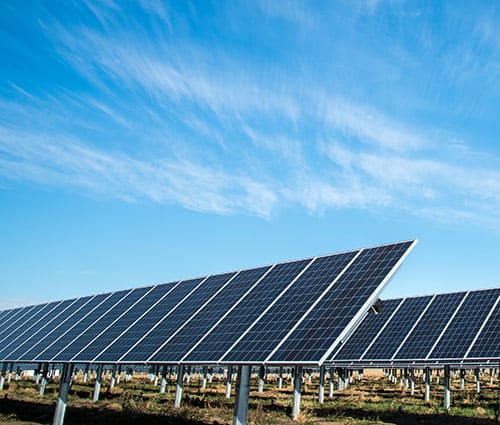
Renewable energy installations — both photovoltaic solar plants and wind farms — share a common challenge: cabling exposed to severe environmental conditions over long periods, often with open-air runs before entering the trench. In a solar plant, the cabling for trackers and string boxes is exposed to direct UV radiation for years; in a wind farm, the cabling between the turbine base and the collection network runs through outdoor sections subject to weathering, thermal variation, and, in coastal or high-humidity installations, a more aggressive atmosphere.
Techduto NBR's UV and AC lines were designed precisely for this kind of prolonged exposure — the UV line for non-buried runs under direct solar radiation, and the AC line for environments with greater atmospheric aggressiveness. Since the underlying challenge is the same — protecting the cable in exposed runs, before or outside the trench — the same line that serves a solar plant equally serves a wind farm. A dedicated product per generation type is not necessary: the selection criterion is the exposure condition of the run, whether solar or wind.
Cost of not properly protecting cables
When a buried electrical cable is damaged due to inadequate mechanical protection — from soil movement, crushing, rodent attack, or wear from direct abrasion with the soil — the repair is neither simple nor cheap. The trench has to be reopened, often already covered by paving, grass, or other construction; the failure point has to be located; the compromised cable section has to be removed and replaced; and only then can backfilling take place and whatever was removed to access the damage be rebuilt. Each of these steps — excavation, specialized labor, replacement material, finish reconstruction — adds cost, and the total tends to far exceed the value of the conduit that would have prevented the problem in the first place.
This is a qualitative line of technical common sense, not a calculation backed by a numerical source: there is no proven percentage or savings figure here, and any estimate along these lines should come from a project-specific assessment. But the logic holds on its own: the cost of installing the correct protection the first time is known and predictable — the cost of not installing it only shows up on the day the cable fails, and by then it already includes everything the protection should have prevented.
Also known as
Corrugated cable duct, corrugated conduit, corrugated hose, flexible PEAD conduit, wavy duct — all refer to the same product: Techduto NBR.
PEAD × PVC × metallic: which flexible conduit to choose
Corrugated PEAD (our line): the corrugated profile gives flexibility without losing radial compression resistance; immune to electrolytic/galvanic corrosion and to acidic, saline or damp soils; supplied in rolls, reducing joints on curved runs. It is the standard choice for buried installation or direct contact with soil/water.
PVC: stiffer than corrugated PEAD, lower upfront cost, but loses flexibility on runs with many curves and has lower radial compression resistance.
Metallic (galvanized steel): higher mechanical resistance to point impact, suited for industrial areas with direct physical damage risk — but can rust if the zinc layer is damaged or under prolonged exposure to harsh environments (coastal, chemical). Not the standard choice for buried installation.
For buried electrical/telecom cables — the most common case in solar plants, highways and subdivisions — corrugated PEAD combines the flexibility that reduces field connections with the corrosion resistance the other two materials do not guarantee long-term.
Why choose the Techduto NBR conduit
Compression of 450–750 N
50+ Years of Service Life
35% Faster Installation
Reinforced UV Line
AC Flame-Retardant Line
In accordance with NBR 15715
25% Less Maintenance
Where to use the Techduto NBR conduit
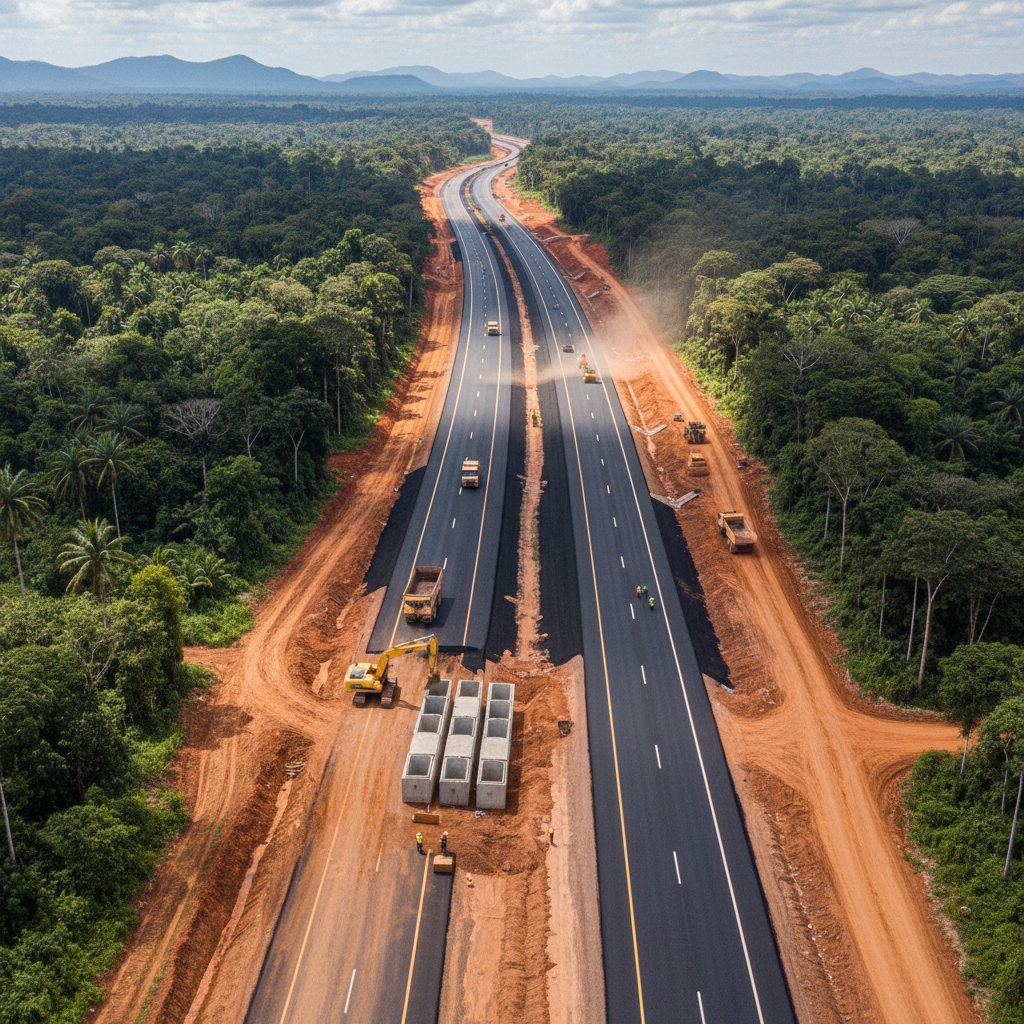
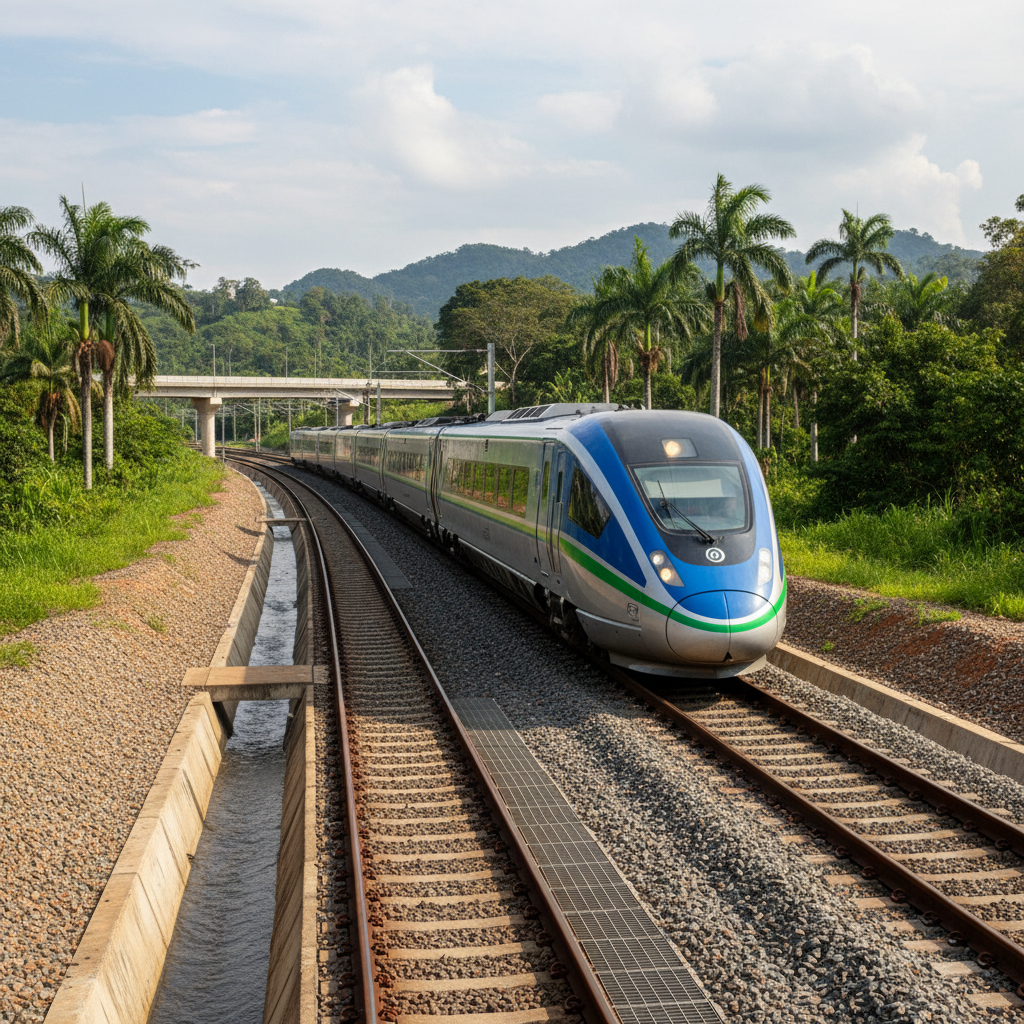
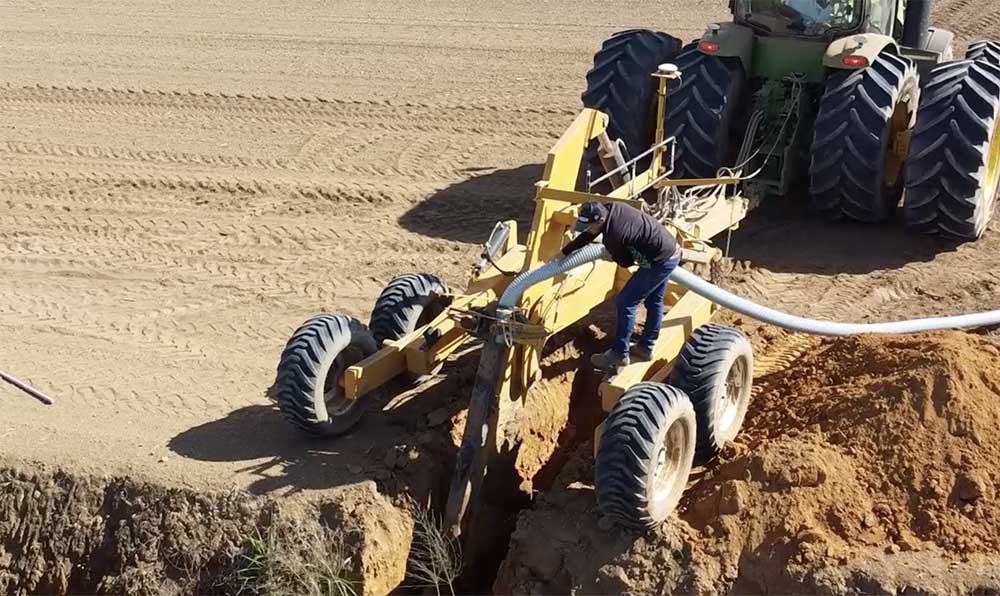
Where HDPE Corrugated Pipe makes the difference
FAQ
Common questions about HDPE Corrugated Pipe — Techduto NBR


Need help with your project?
Talk to our technical team and receive a customized proposal.
Talk to a specialist Request a quote via form