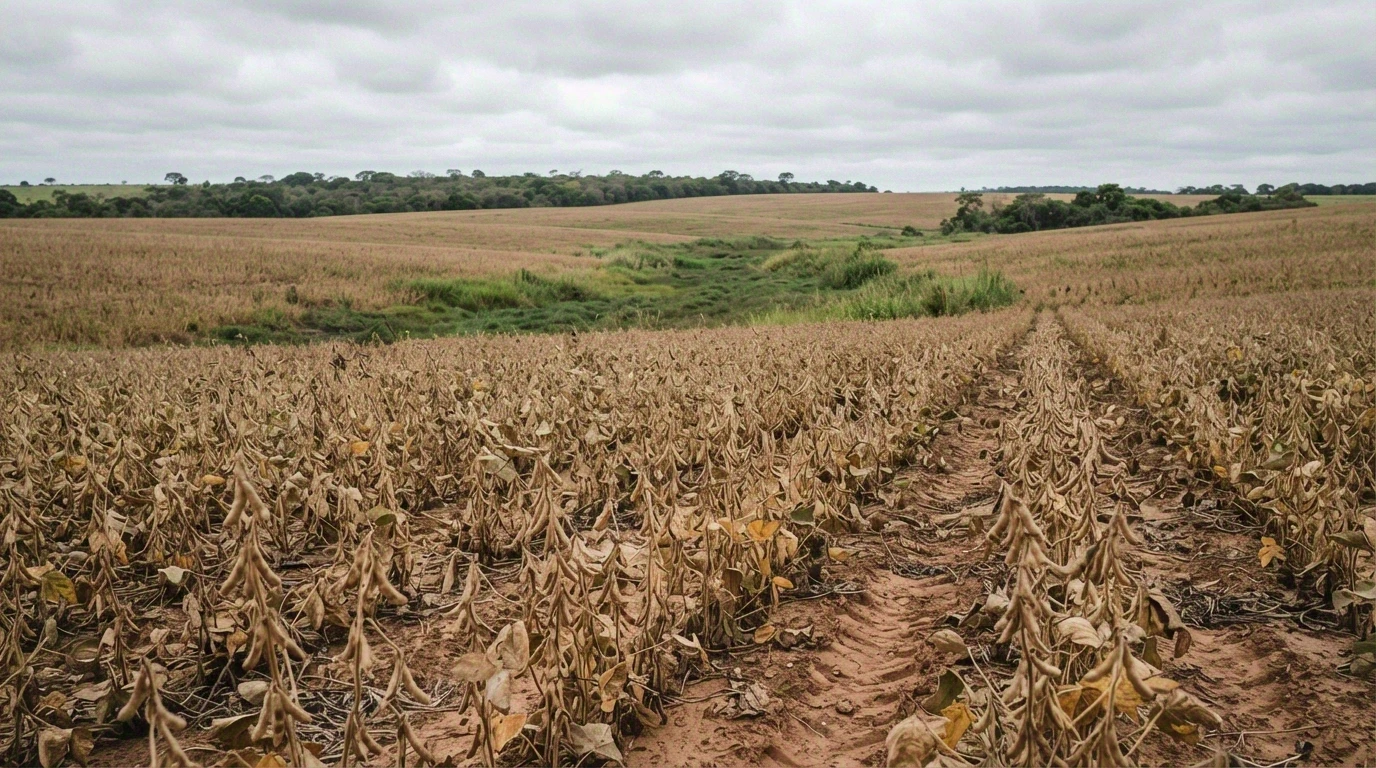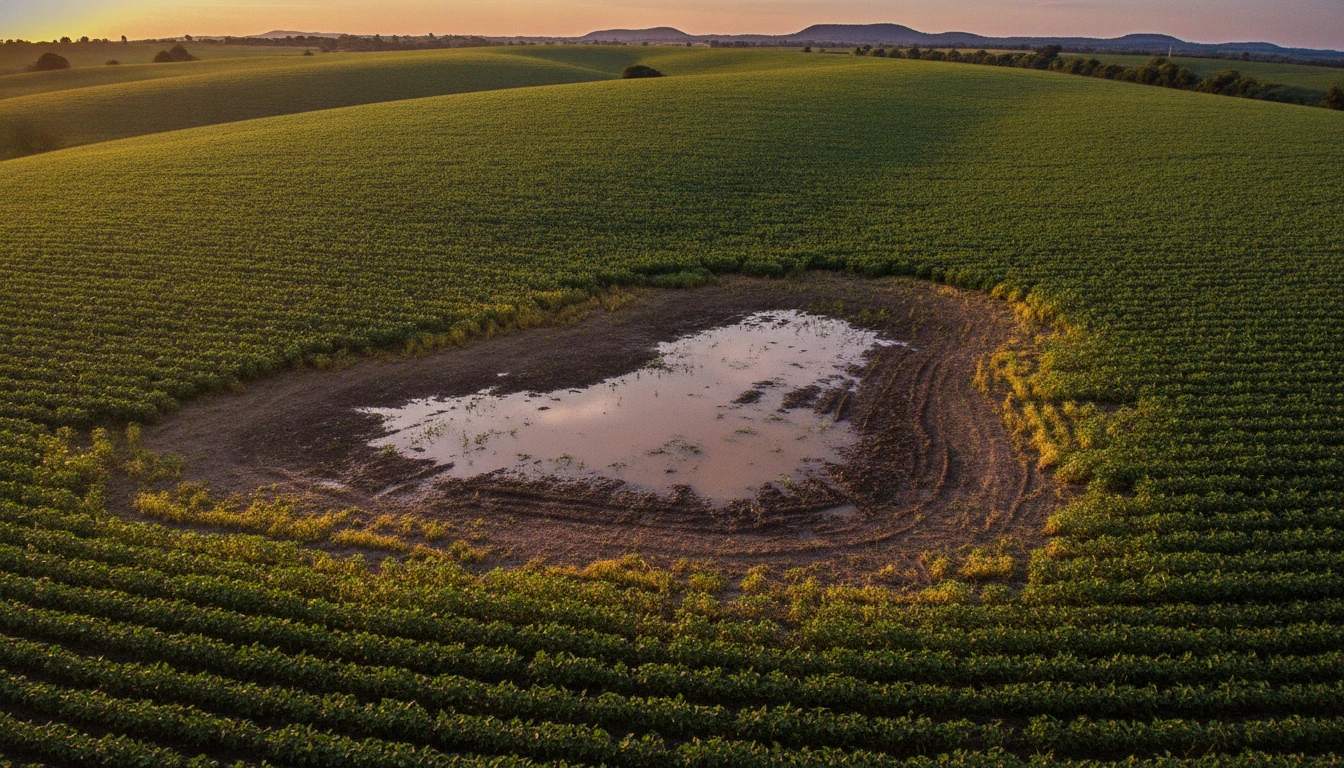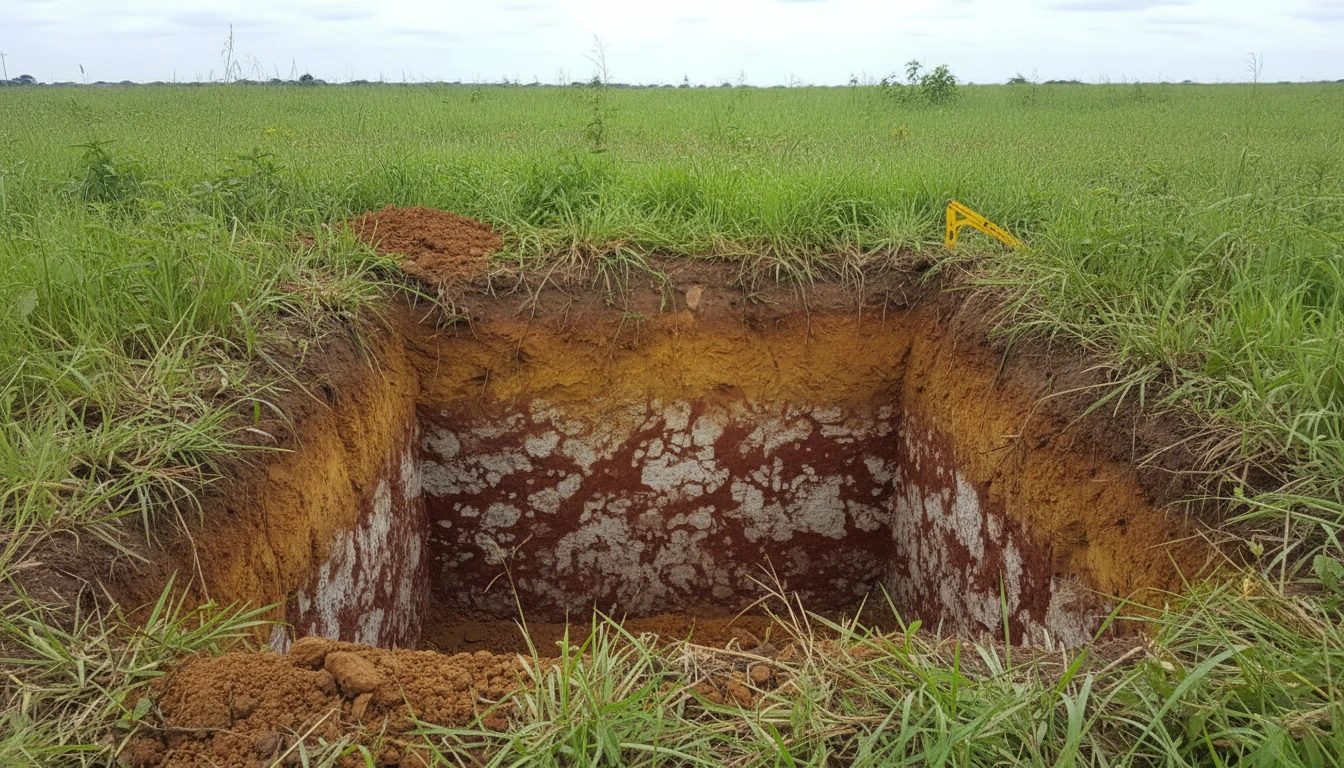


If the drainage system on your property has existed for years and never had formal licensing, the first question isn't "will I be fined?" — it's "is my area consolidated?". CONSEMA Resolution nº 36/2026 allows agricultural drainage systems installed a long time ago to continue operating and being maintained without needing to redo the entire licensing process from scratch, but only under two very specific conditions — and proving your area fits these criteria is not an eyeball estimate.
What counts as a “consolidated area”
The regulation uses the temporal mark of the Forest Code (Federal Law nº 12.651/2012) — July 23, 2008 — to define what constitutes a consolidated agricultural drainage work. If the drainage systems on your property were fully implemented by that date, and have remained in the same condition since then, the operation and maintenance of this system are permitted on any type of soil, through a single license (LAU) — without going through the preliminary, installation, and operation stages that a new work would require.
This is a significant practical difference: instead of the full procedure (environmental diagnosis, soil study, technical project submitted for approval), those who qualify as a consolidated area undergo a more direct process, focused on proving that the system already existed and continues to be used as it always has been.
The two conditions that must be met together
The law does not grant this simplified treatment for free — it requires two things simultaneously:
- Proof of full implementation of the drainage systems in a consolidated area, within the Forest Code’s temporal mark. This proof is made through remote sensing — meaning, it is not a producer’s declaration, but a technical verification using historical satellite imagery showing that the drainage layout already existed on that date.
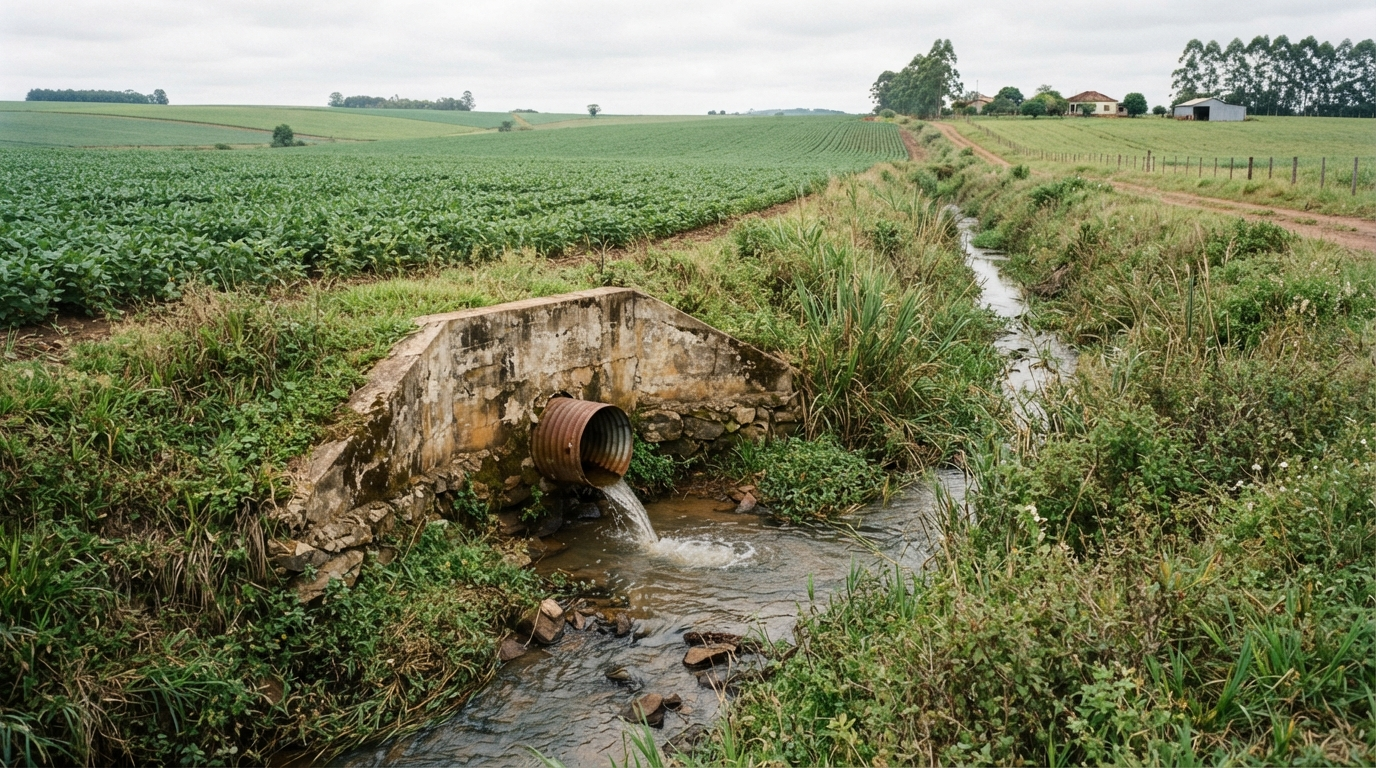
- Adoption of mitigating and environmental control measures, aimed at preventing erosion processes, siltation, and reducing the direct impacts caused by the system — even if it is old, continued operation does not exempt care with erosion on the banks and at discharge points.
“Maintenance” has a clear limit — and this is where most people make mistakes
The most important point of Art. 29 is what it does NOT allow: authorized maintenance exclusively comprises the conservation of existing structures. It is forbidden to alter the layout, depth, or drainage capacity of the consolidated system — unless the alteration itself is a mitigating measure determined by the environmental agency.
In practice: cleaning the drain, clearing the outlet, repairing a damaged section — this is maintenance, and it is within what a consolidated area permits. Deepening the drain, extending the layout to a new area, or increasing the flow rate the system drains — this ceases to be maintenance and becomes an expansion, which has its own, stricter rules.
What happens if you expand without realizing you’ve changed categories
If it is found that there has been an expansion of the drainage system after the consolidated area’s temporal mark, the expanded part — only that part, not the entire system — must follow the normal regularization procedure, compatible with the characteristics of the location and the soil type of that section. And any expansion made after the publication of this resolution (06/30/2026) already requires specific environmental licensing from the outset, without the simplified path of a consolidated area.
This is a detail that causes confusion: a system can have a consolidated part (which follows the simplified rule) and a recently expanded part (which requires its own licensing) — and technically separating the two within the same property is not trivial without historical image analysis.
Note: if your system was regularized (or had a regularization request filed) between 07/23/2008 and the publication of CONSEMA Resolution nº 45/2022, there is a specific transition rule for this period — it is the subject of another article in this series.
Before assuming everything is alright
“My drainage is old, so it’s protected” is the riskiest conclusion to draw from Art. 29 — because protection here depends on technical proof, not length of use. Historical remote sensing, area characterization, and the distinction between maintenance and expansion are precisely the types of assessments that require a technical eye, not a field estimate — the same type of technical responsibility report used when an area’s classification needs to be contested or proven before SEMA.
If your property in MT has a drainage system in operation for years and you have never formalized it with SEMA, a drainage diagnosis is the starting point, and Techduto’s engineering team can support the technical characterization that underpins the regularization process, calmly and before any decision needs to be made in haste.