

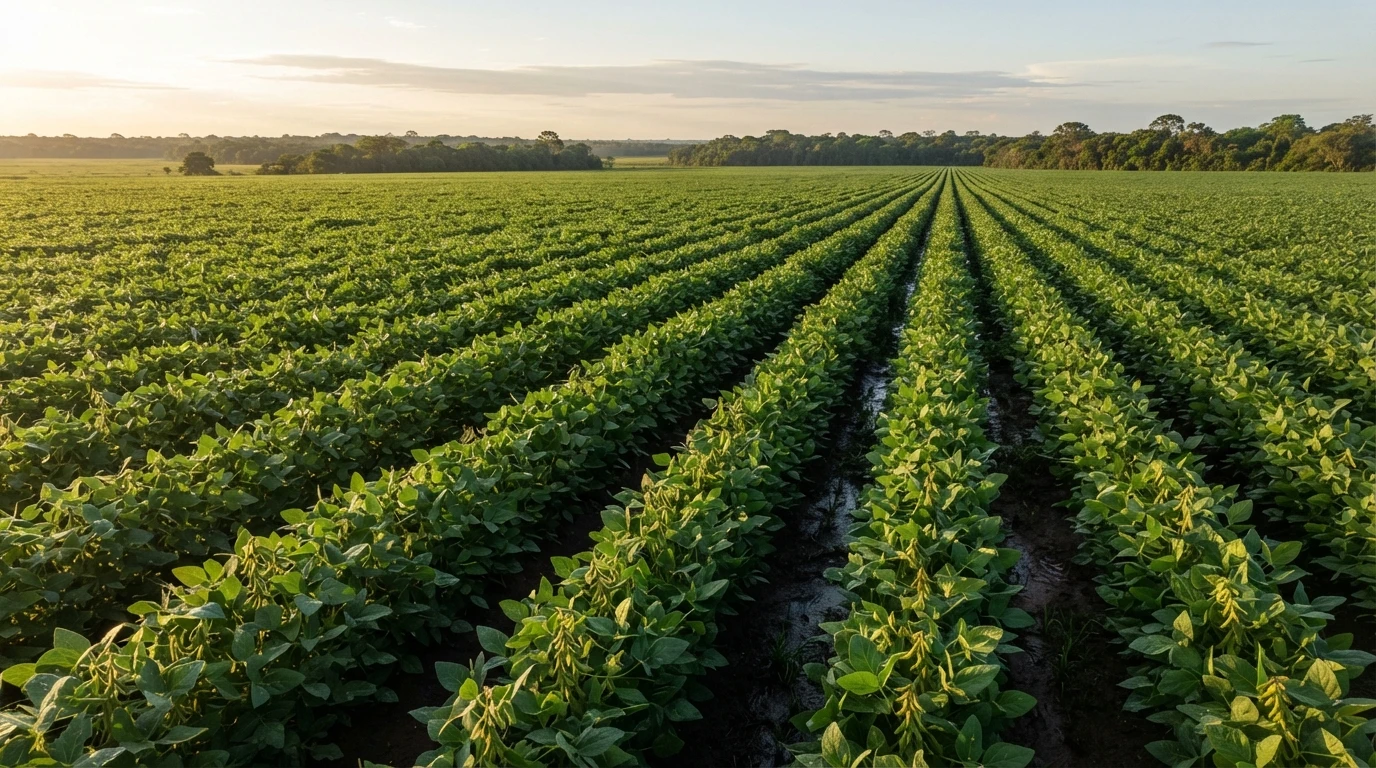
Agricultural suitability “good”: the criteria in Annex II that your crop needs to meet
Eligible soil is not the only barrier to legally draining land in Mato Grosso. CONSEMA Resolution No. 36/2026 also requires that the intended crop have…

Eligible soil is not the only barrier to legally draining land in Mato Grosso. CONSEMA Resolution No. 36/2026 also requires that the intended crop have…
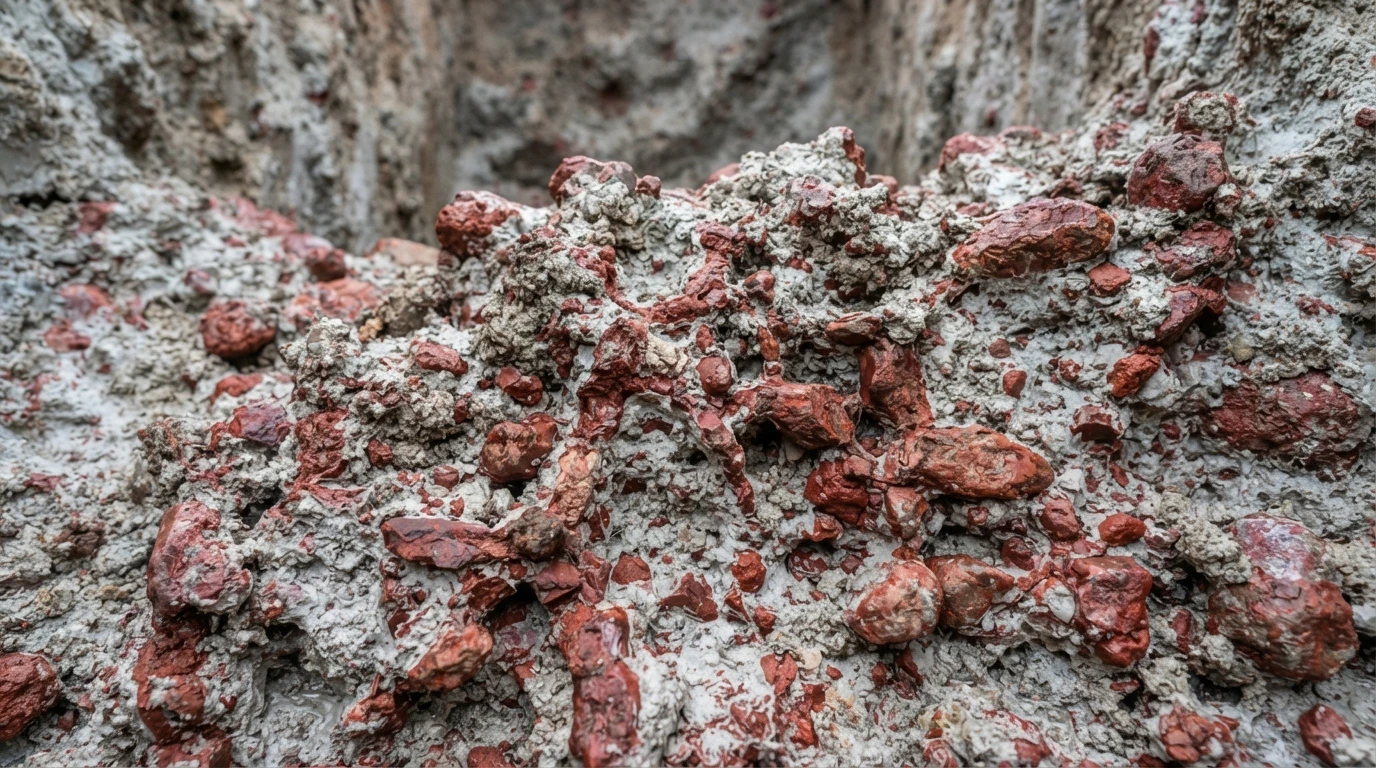
CONSEMA Resolution No. 36/2026 treats both Plinthosol subtypes as equally eligible for drainage — but in practice, Haplic and Argiluvic behave like different soils underground.…
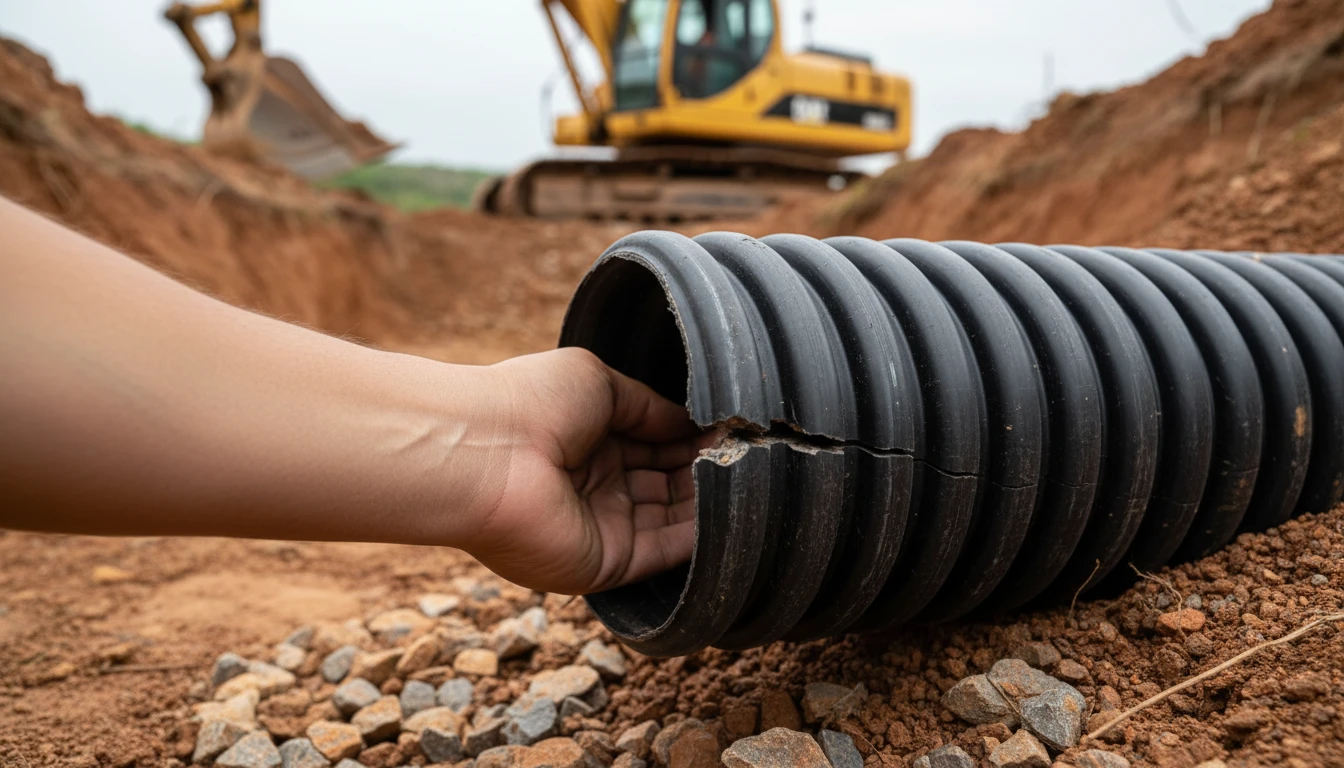
Drainage delivers the promised results in the first few months — the area is dry, machinery can enter without getting stuck, and harvesting normalizes. The…
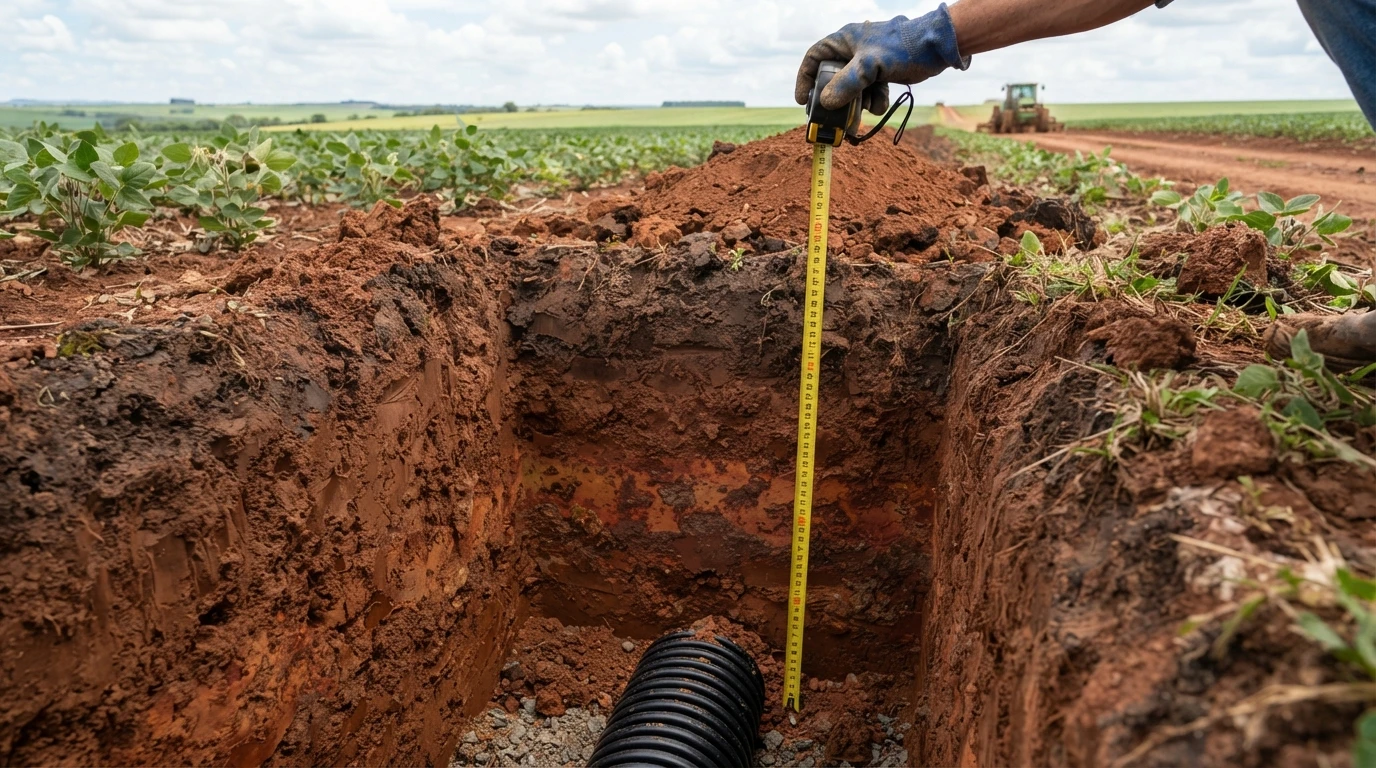
CONSEMA Resolution No. 36/2026 doesn’t just regulate who can drain in Mato Grosso — it regulates how the drain can be designed. Three requirements directly…
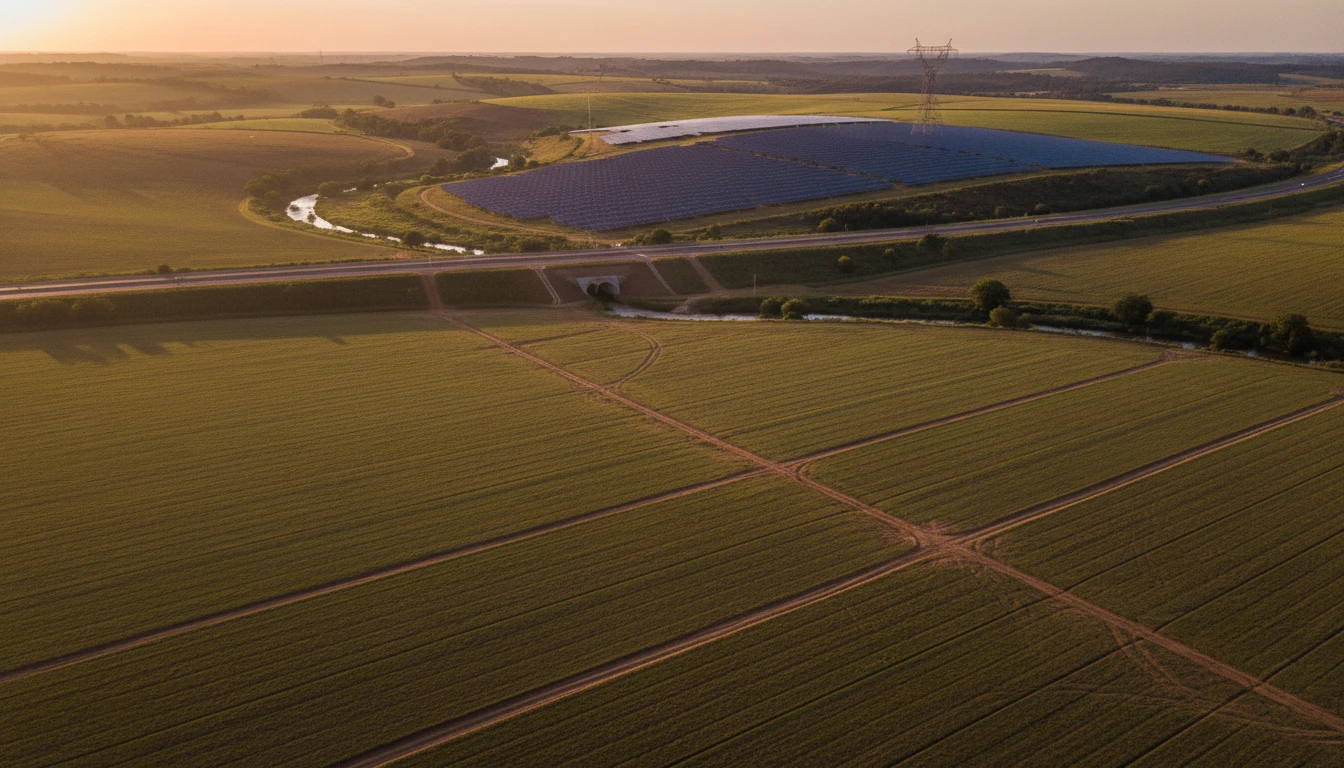
“Drainage is just burying a pipe, isn’t it?” This is the most common phrase when someone outside the sector tries to understand why an agricultural…
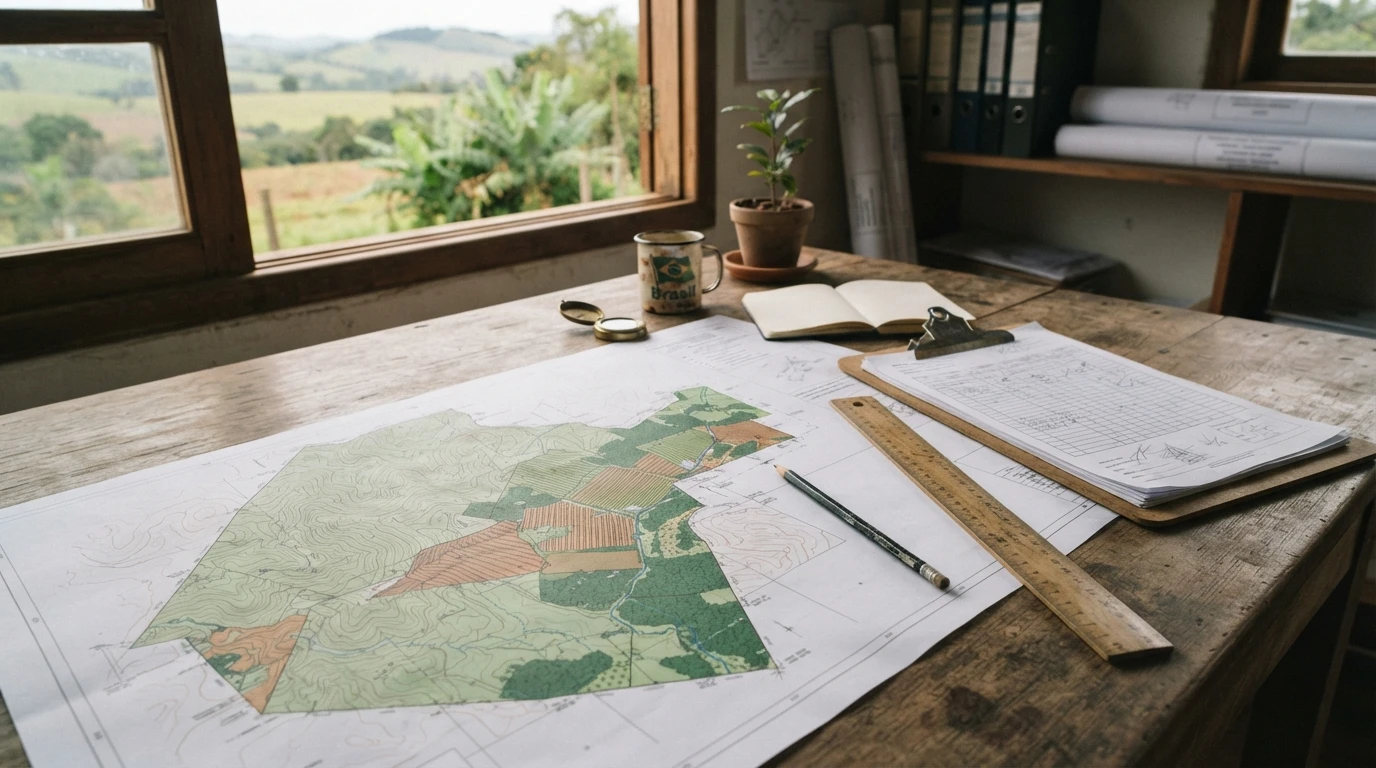
The same question — “is my soil hydromorphic?” — leads to completely different documents depending on a second question that few producers ask before contacting…
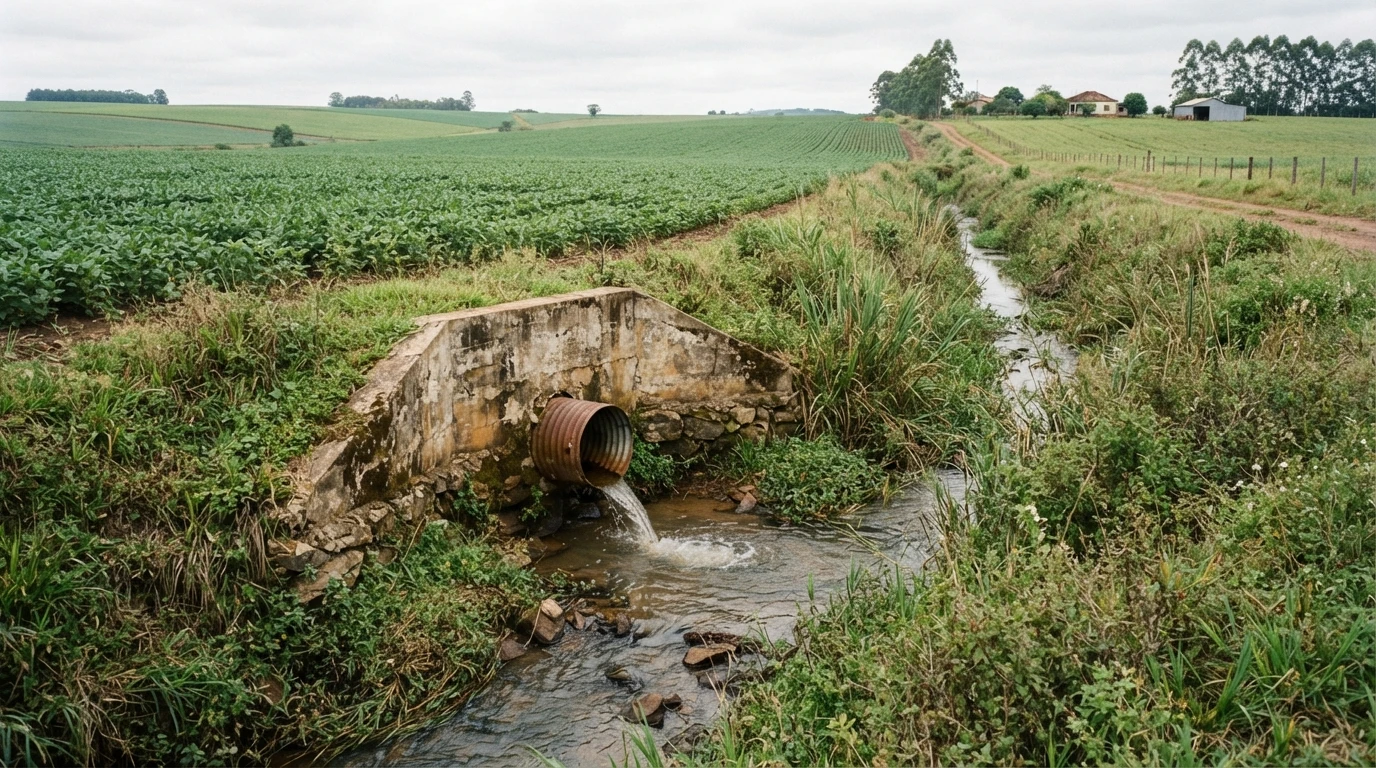
If the drainage system on your property has existed for years and never had formal licensing, the first question isn’t “will I be fined?” —…
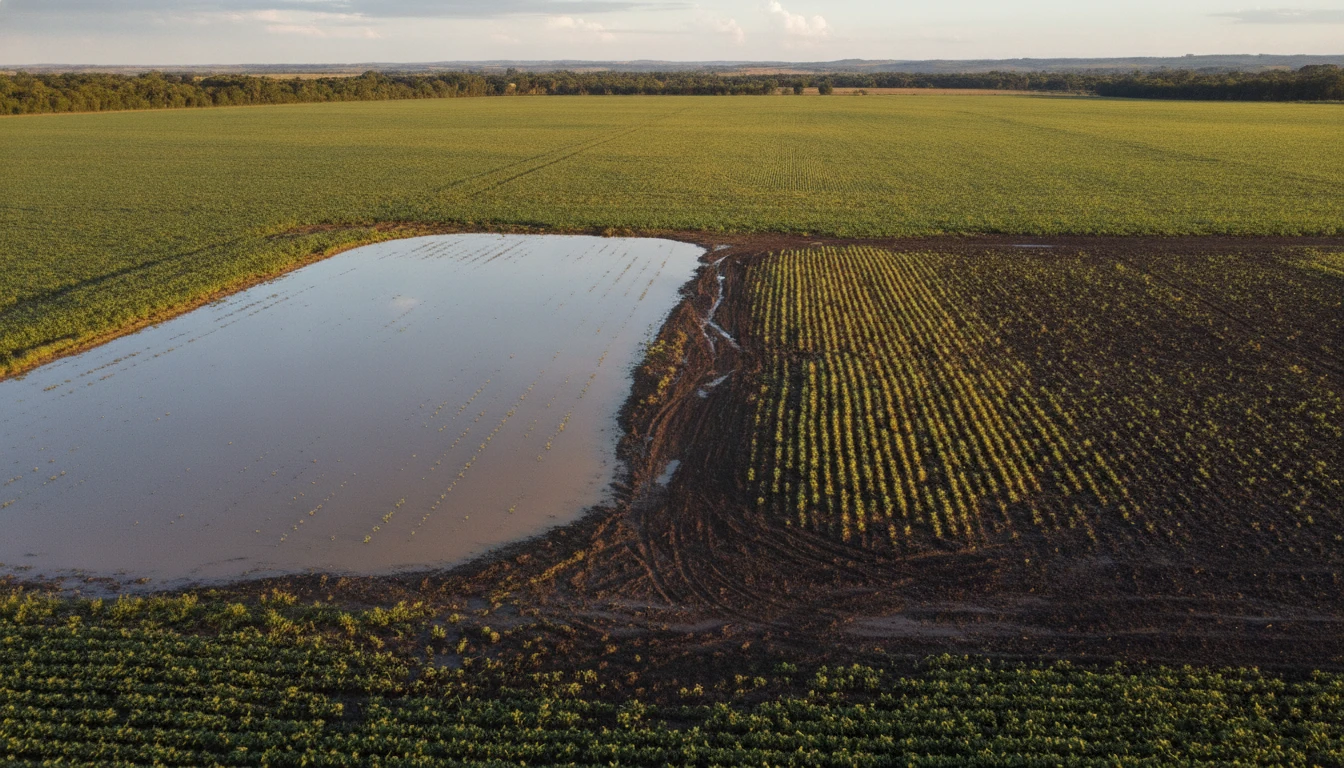
Two puddles of water on the same property can have completely different causes — and each requires a different solution. Confusing the two is the…
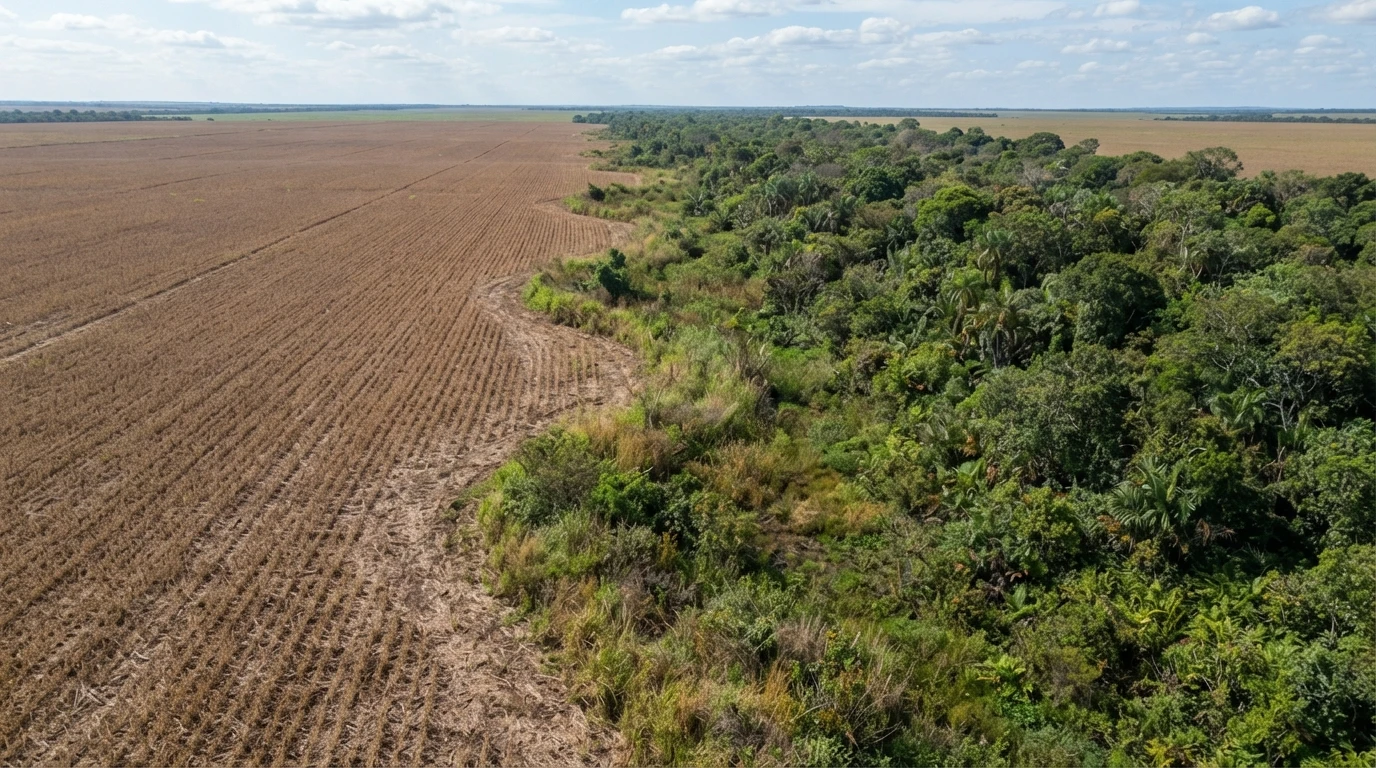
If your dry area borders a wetland or restricted-use area in Mato Grosso, CONSEMA Resolution No. 36/2026 establishes a 100-meter buffer zone where certain activities…
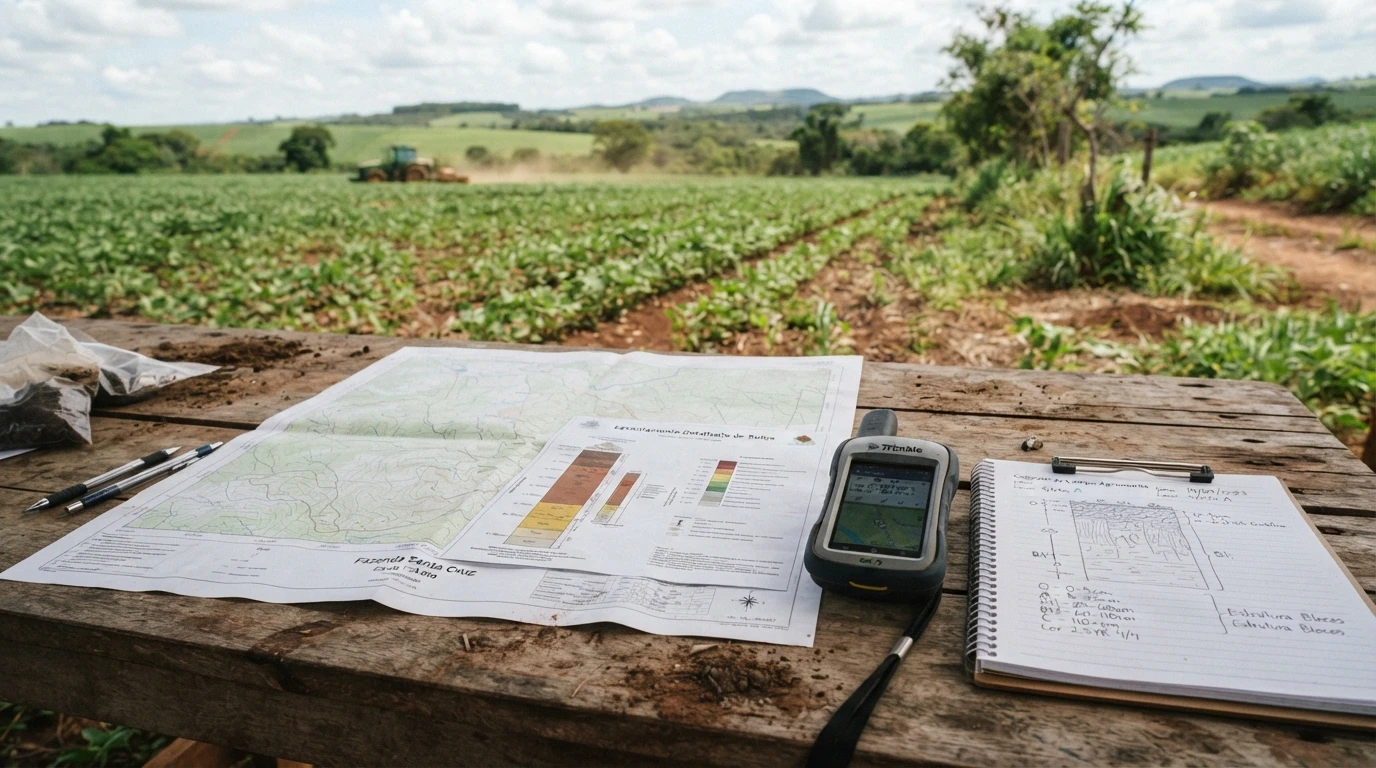
In the previous article in this series, we saw that SEMA’s official map for wetlands in Mato Grosso is built on a 1:250,000 scale —…
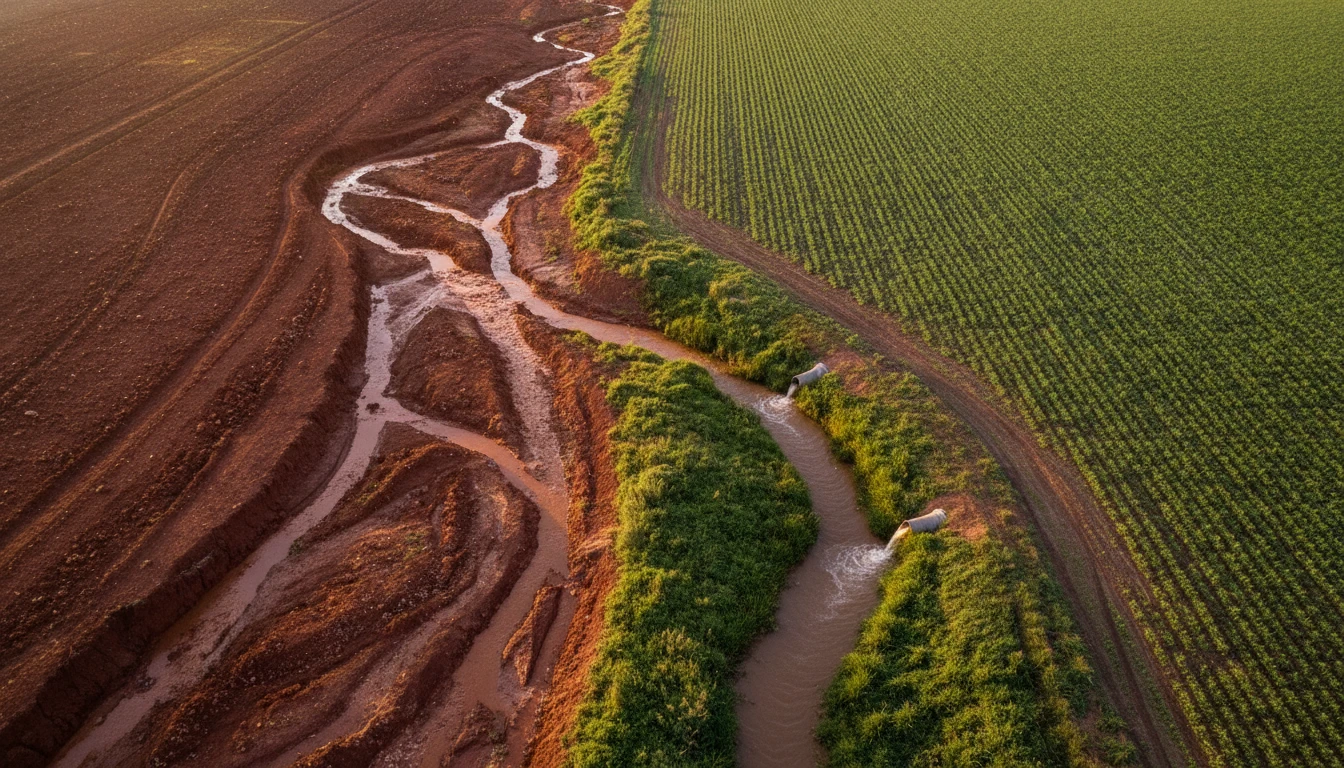
There is an objection that always arises when discussing land drainage: “isn’t that bad for the environment?” The correct answer is counterintuitive. A well-designed drainage…
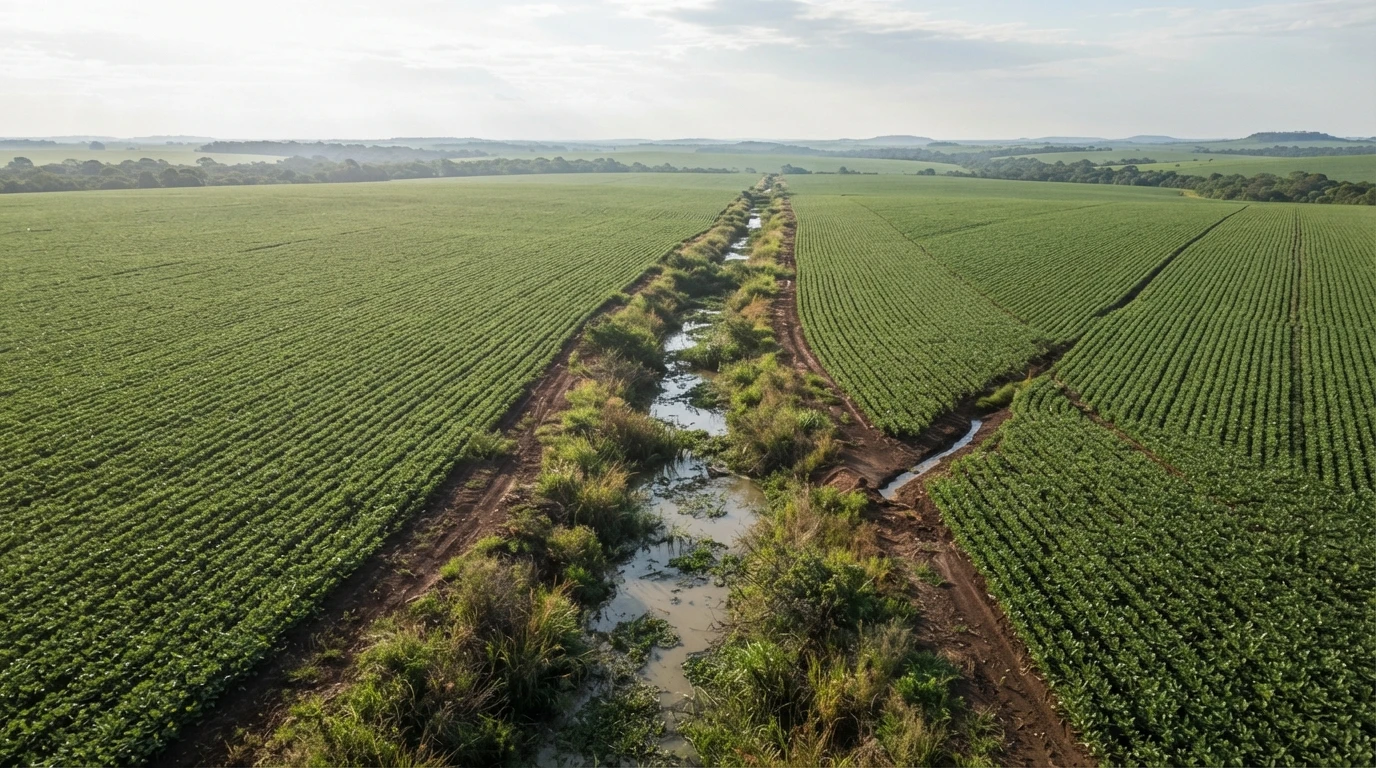
In a wetland area in Mato Grosso, 260 hectares is the number that separates a relatively simple licensing process from a full EIA/RIMA — the…
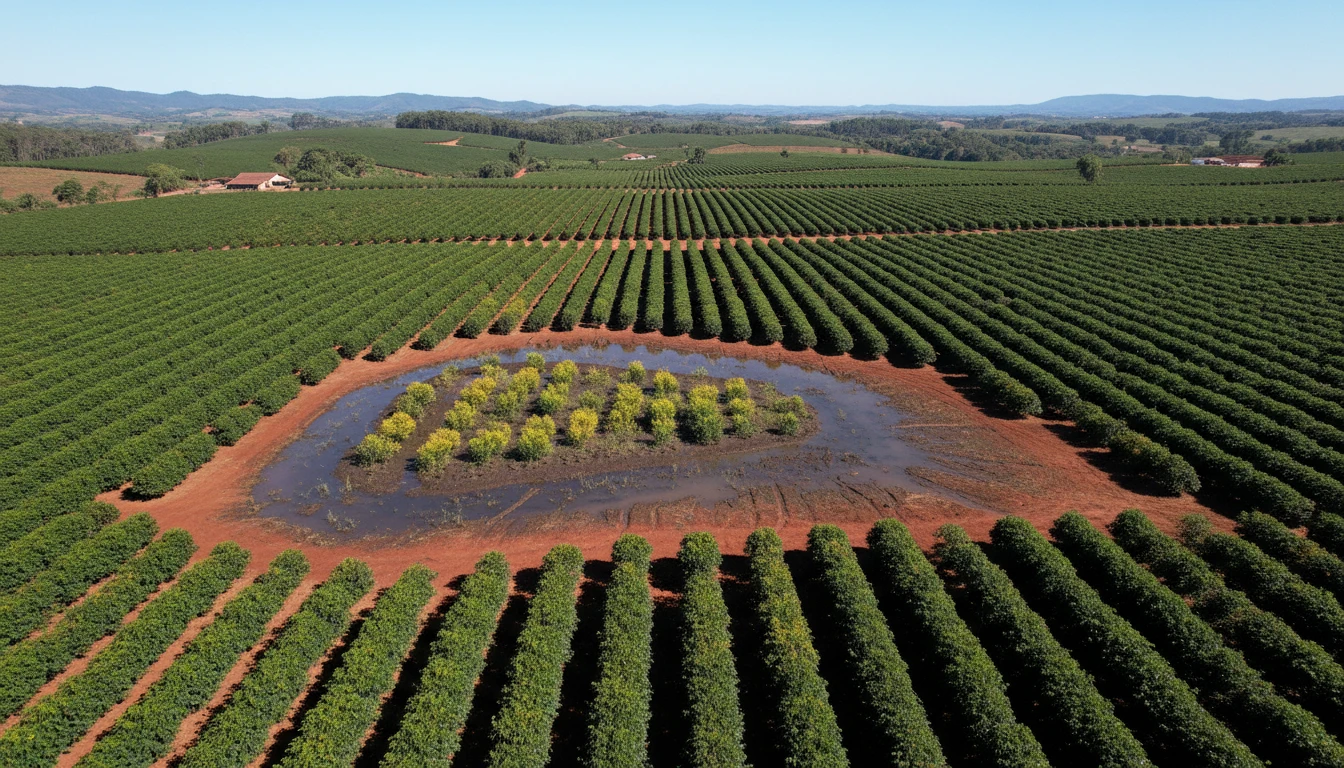
Every drainage system is designed for a design storm — an event that, statistically, repeats every X years. The rarer the chosen event, the more…
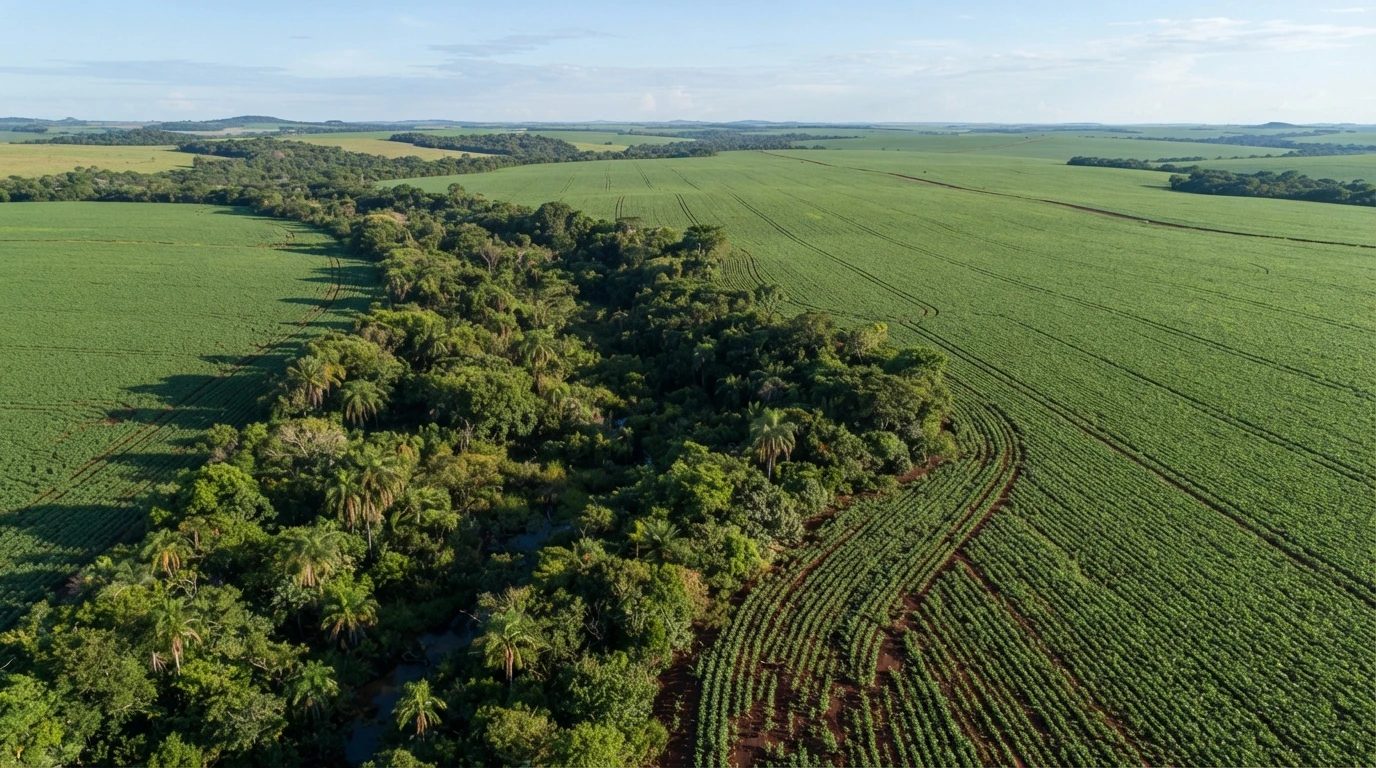
Not all wetlands in Mato Grosso have the same level of restriction. When an area is classified as a Restricted Use Area (AUR) — and…
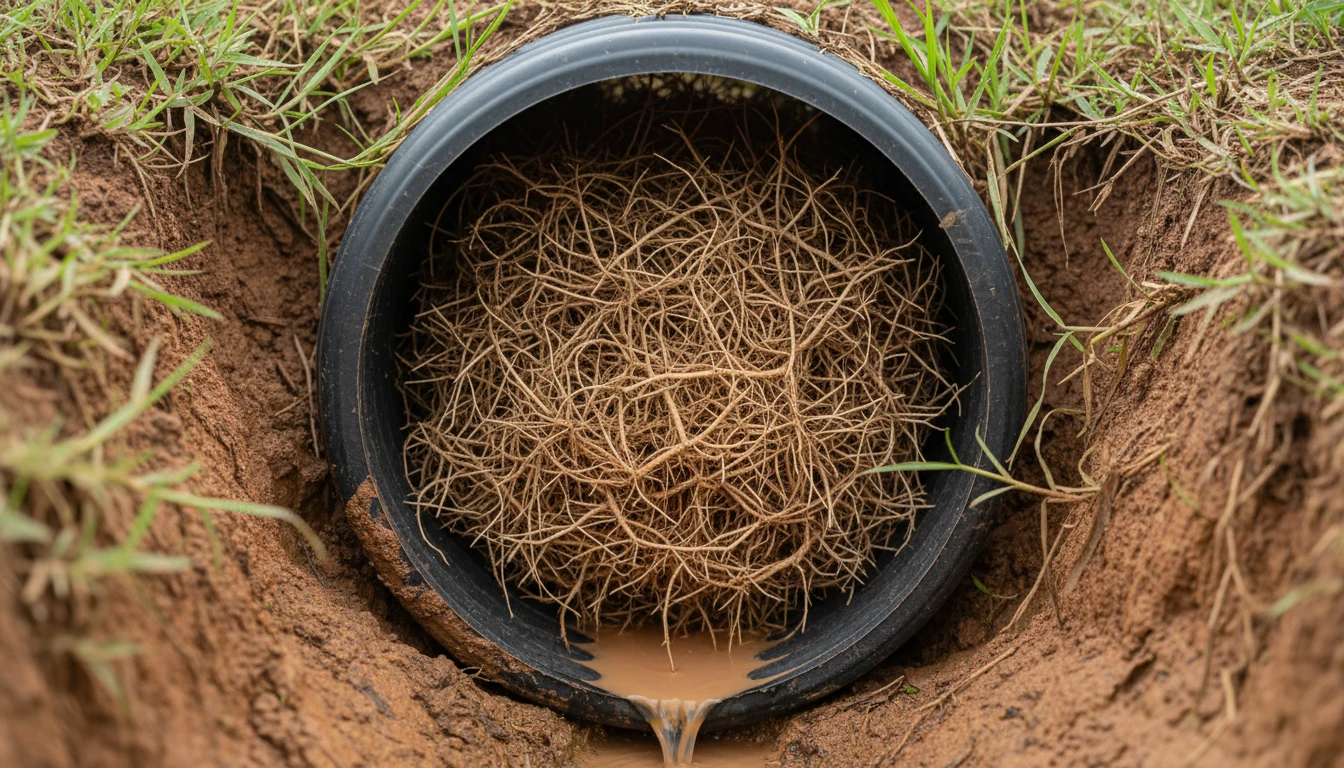
The system worked well in the first few years. Suddenly, water drains slower from the ditches, or the area becomes waterlogged again after heavy rain.…
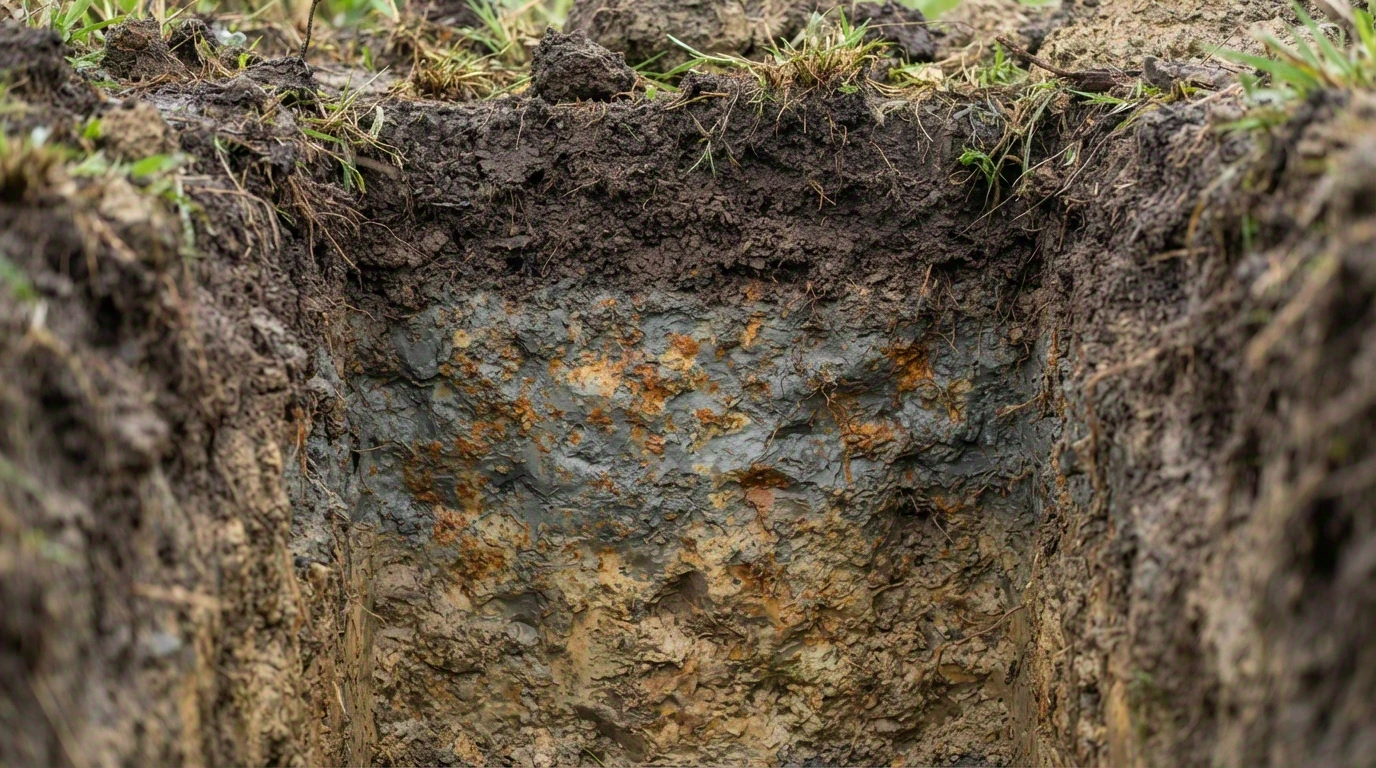
The Mato Grosso law uses a technical term — “hydromorphic soil” — to decide if your area falls under the rules of CONSEMA Resolution No.…
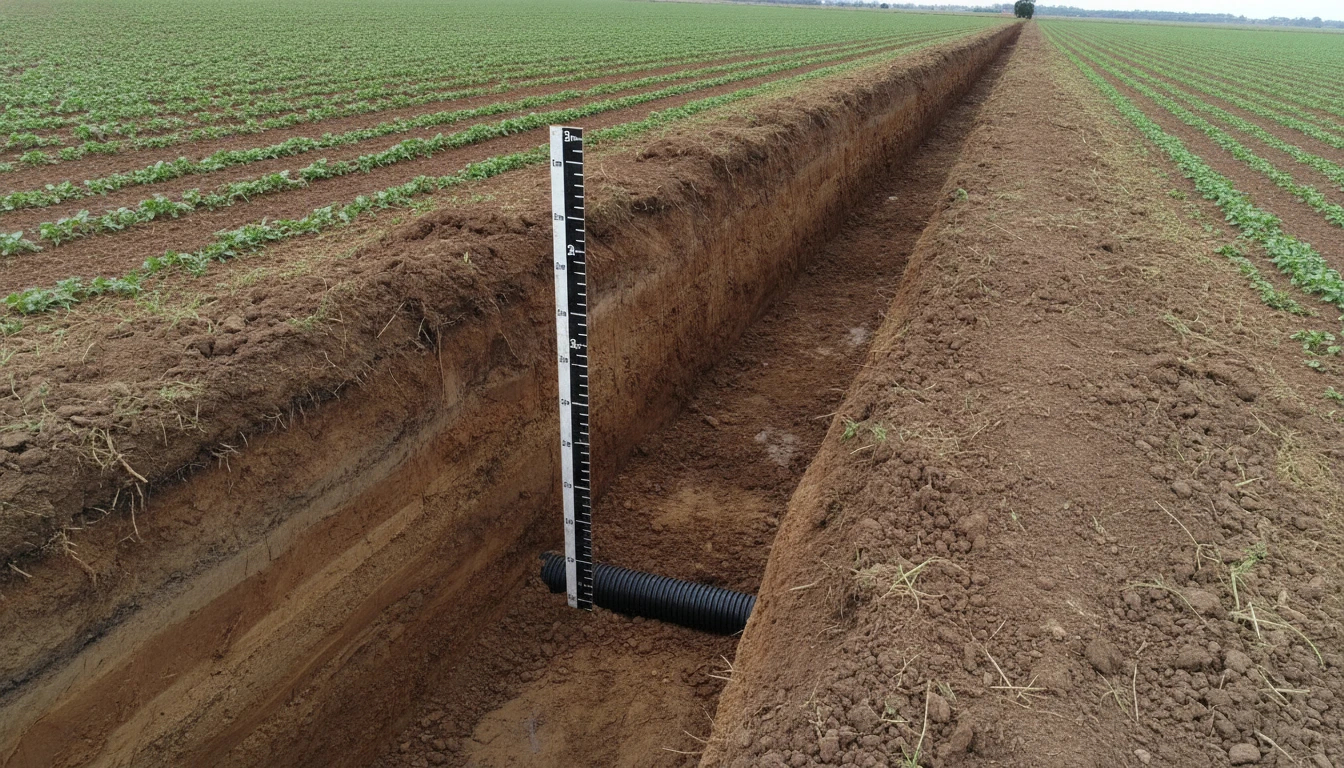
“Let’s dig deeper to solve it once and for all” is one of the most expensive decisions made when designing an agricultural drainage system. The…
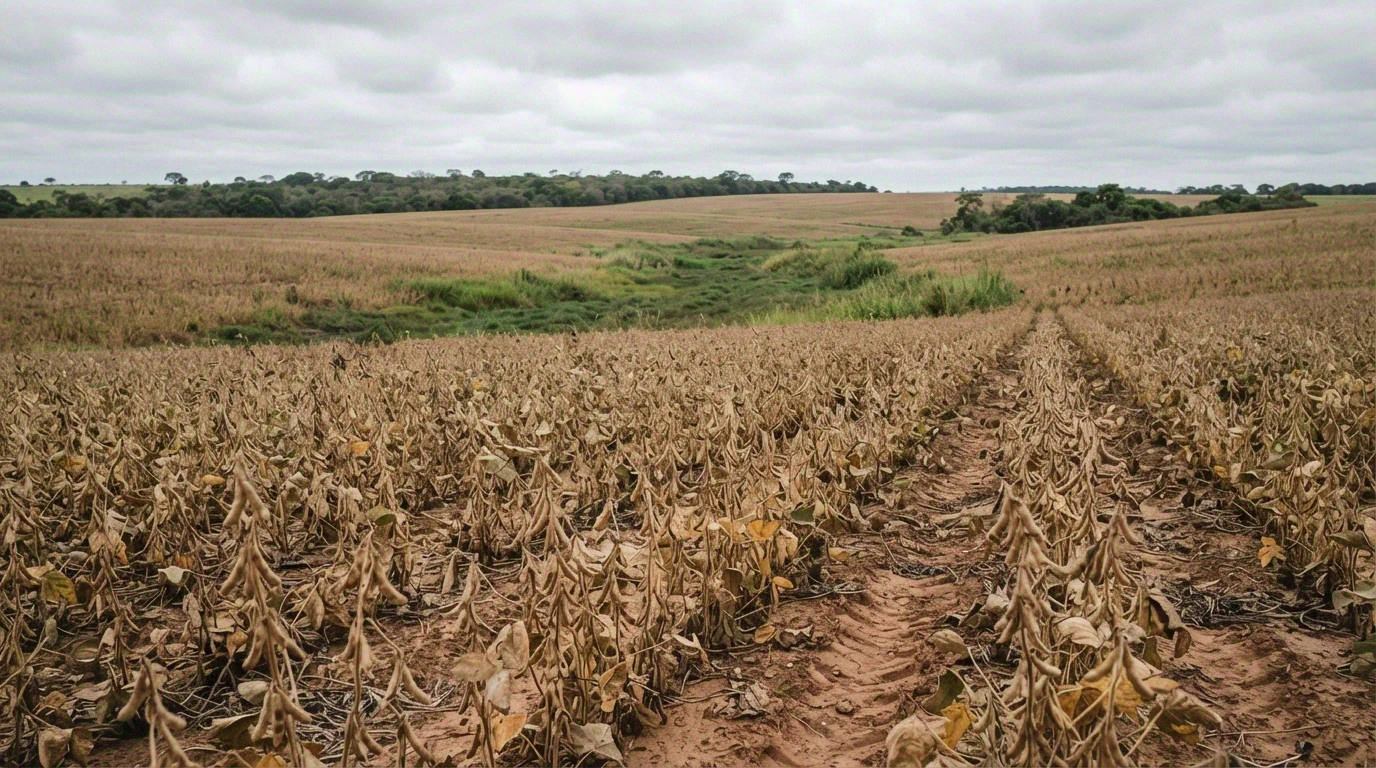
The term “wetland” might bring to mind swamps, year-round standing water, or obvious landscapes. Mato Grosso law doesn’t define it that way. According to CONSEMA…
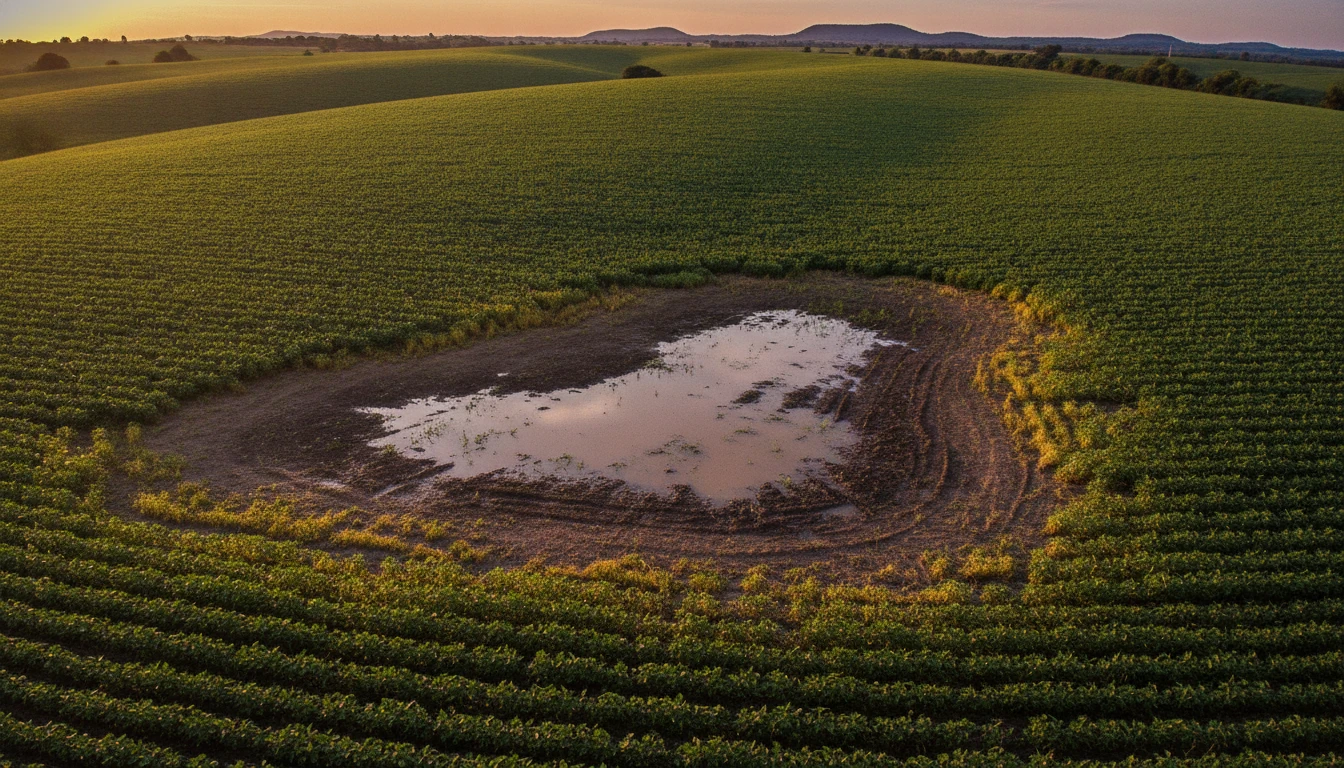
The plot is on high ground, far from any low-lying area. Even so, after heavy rain, a waterlogged patch appears right in the middle of…
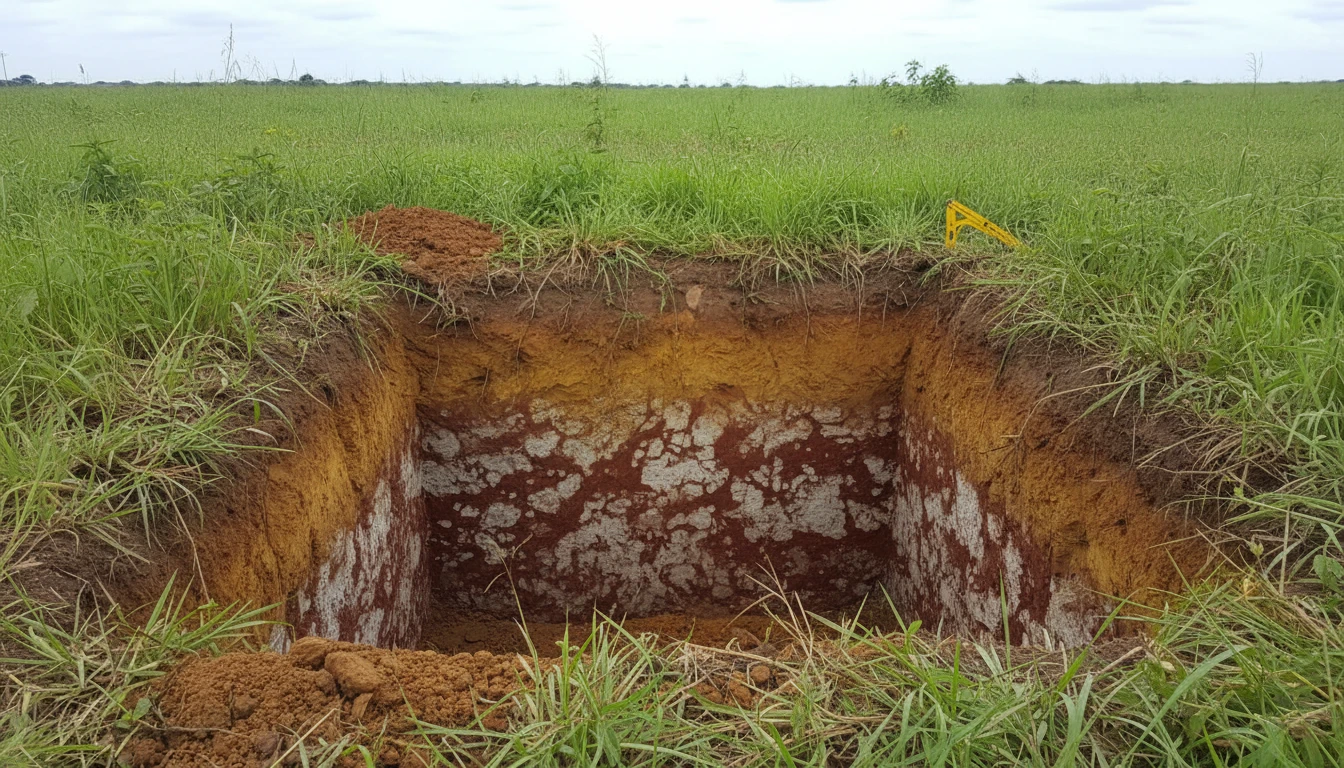
Not all waterlogged soil in Mato Grosso can receive a legalized drain — even if the water sits exactly the same way. CONSEMA Resolution nº…
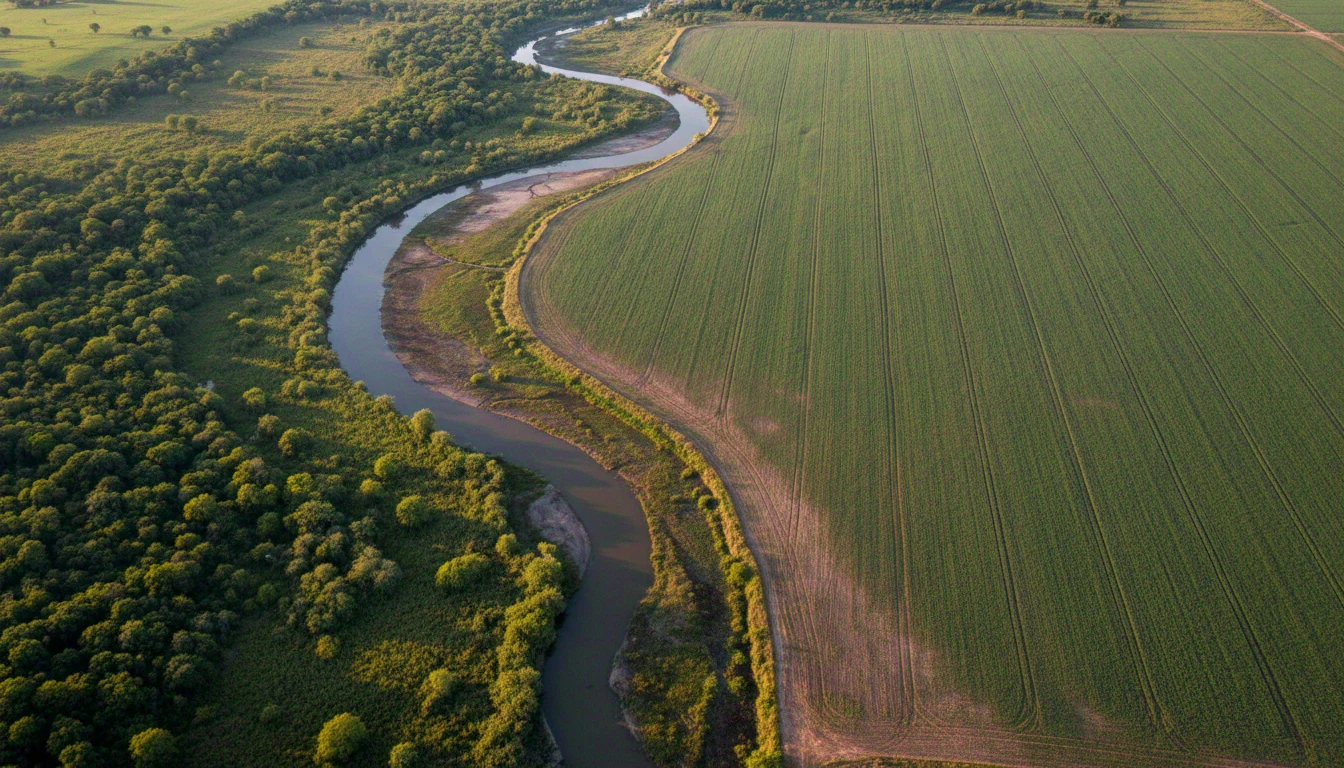
Since June 30th, Mato Grosso has a new law for those who drain crops in wetlands or hydromorphic soils: CONSEMA Resolution nº 36/2026. If you…
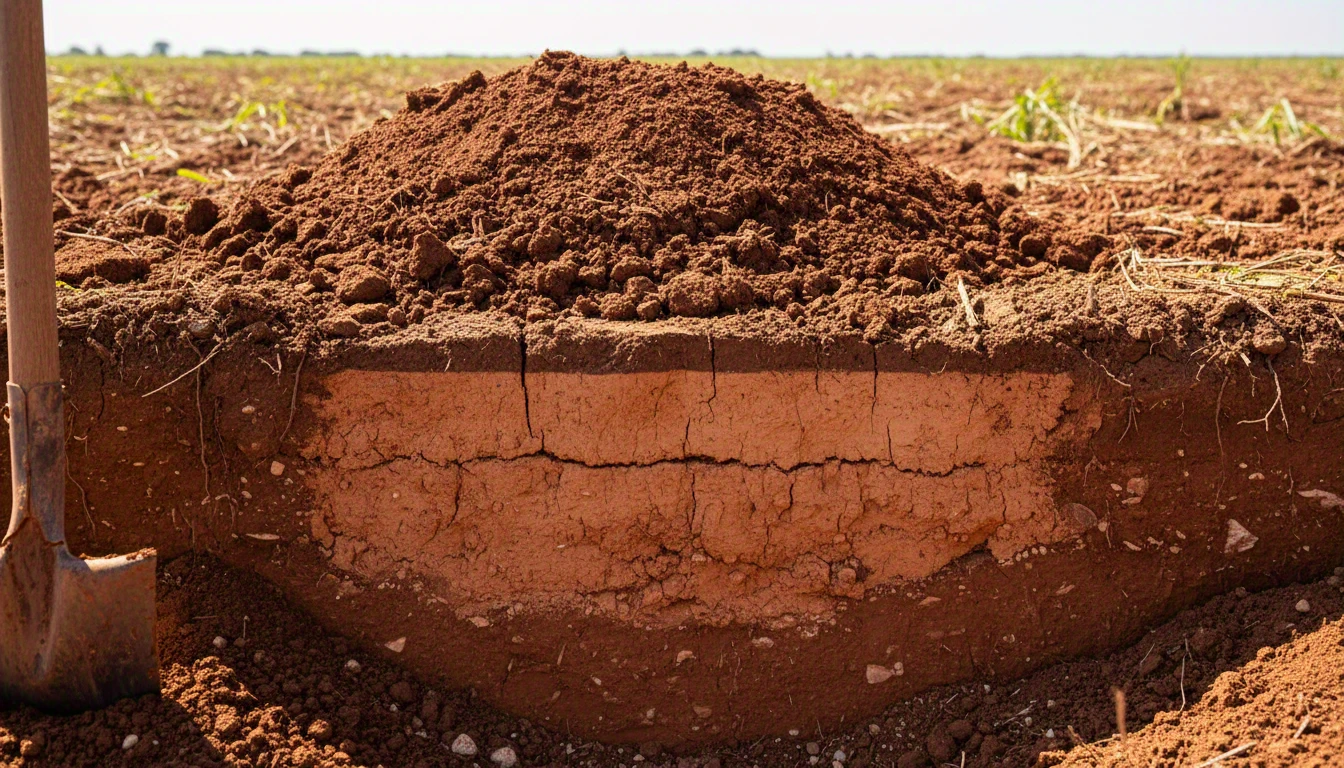
You installed the drain, the depth was correct, the slope was correct — and the water remains stagnant. The pipe is not defective. The installation…
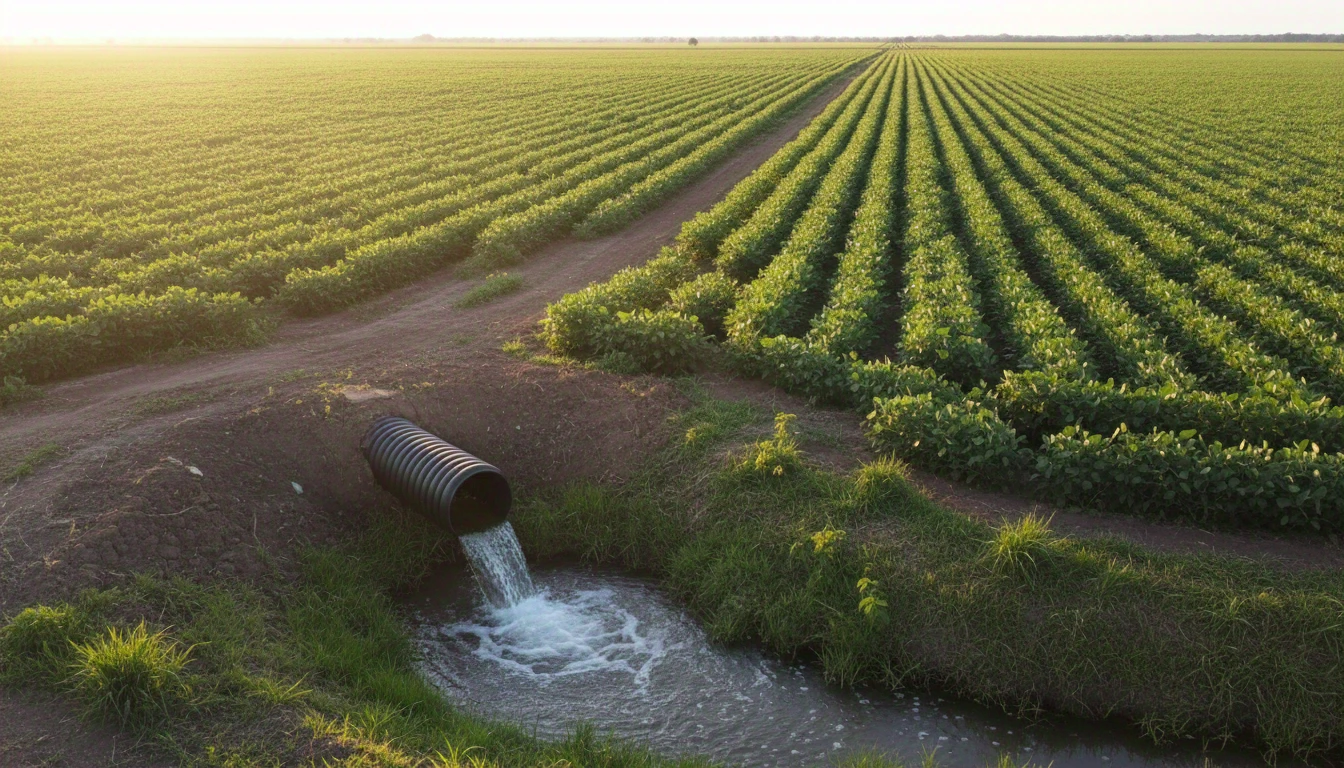
The pipe was right. The depth was right. The slope was right. And in two or three years, the system stopped working. This is one…
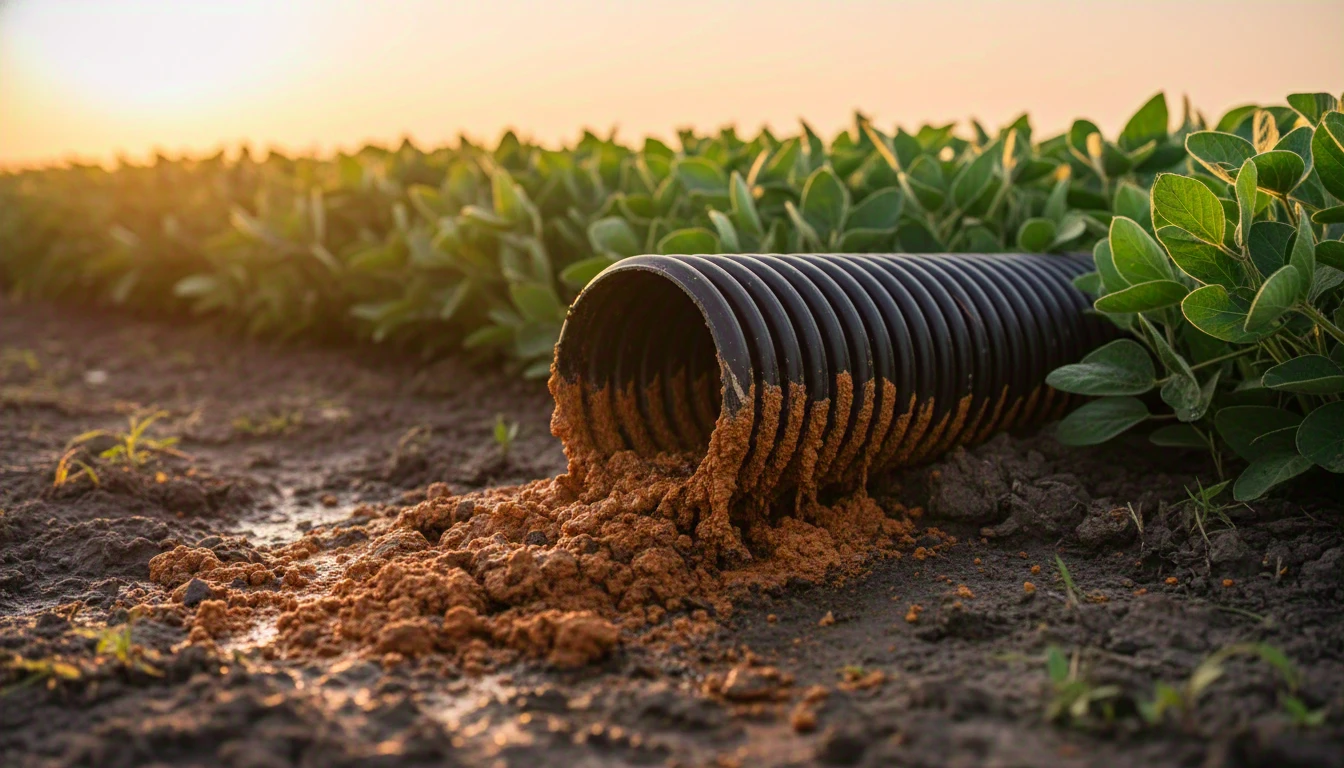
You installed the drainage, it worked well for the first few years — and suddenly the water stopped flowing out. No roots in the pipe,…
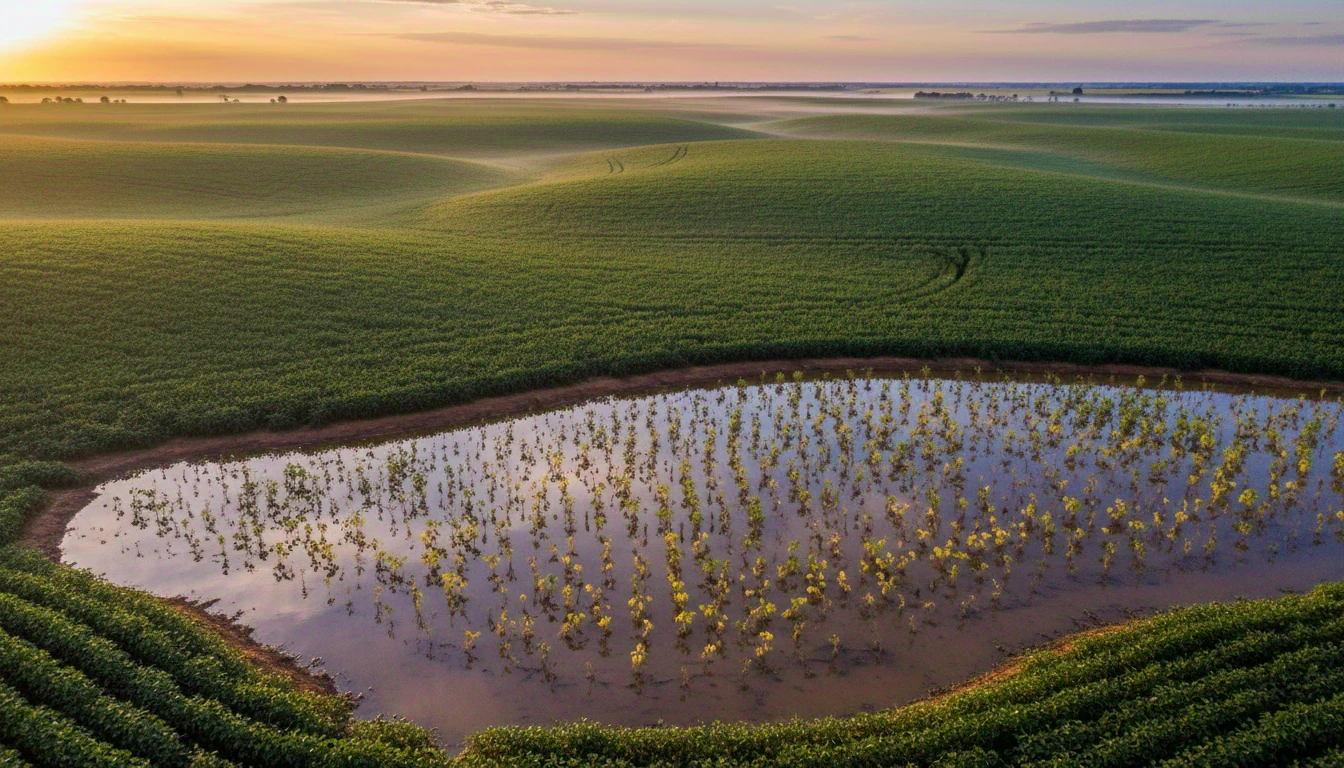
Drainage seems like an expense, but the bill that weighs heavily is the one for NOT draining — loss of productivity, getting stuck, and wasted…
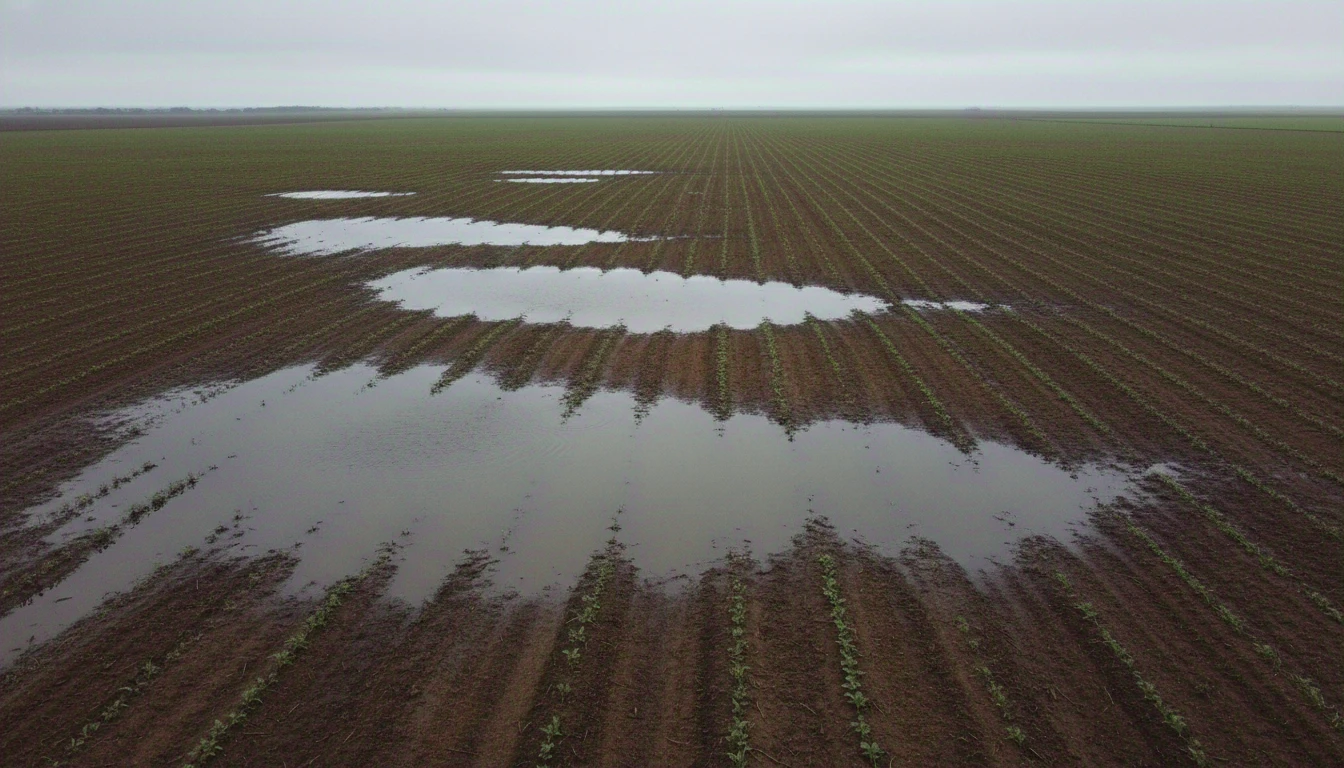
Is there that section of your field that lets you down every year—always in the same spot? The crops grow crooked, the machinery gets stuck,…
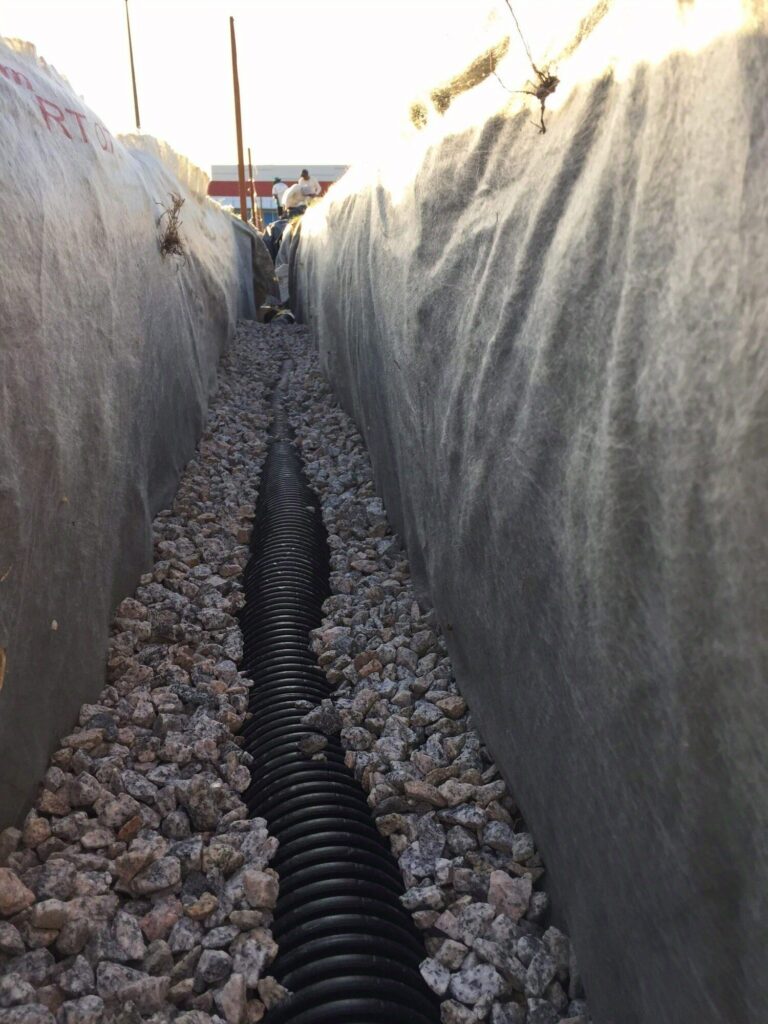
When we talk about renewable energy and high-performance agriculture in Brazil, we often think of solar panels, wind turbines, or vast grain fields. But there…

Soil drainage in agriculture is a key factor in the success of any crop. After all, productivity starts at the foundation—and that foundation is the…
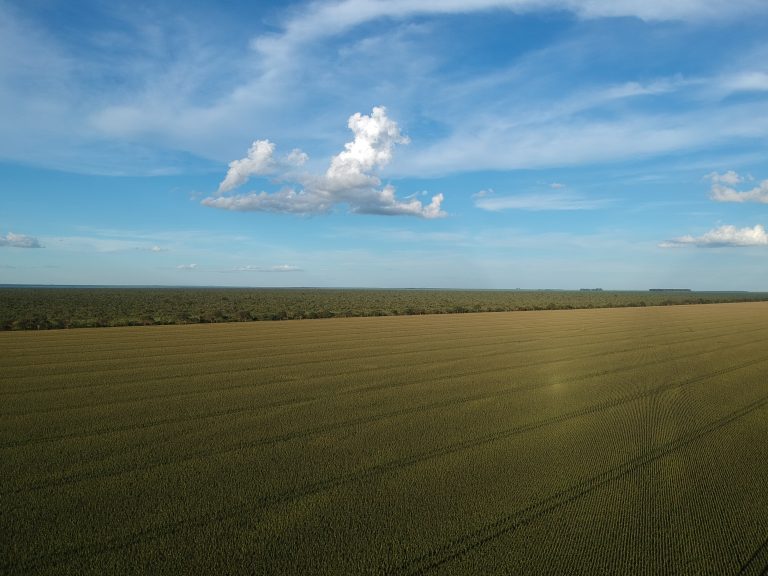
Drainage is much more than simply letting water flow away. With proper planning, it becomes a key factor in boosting agricultural productivity and the durability…
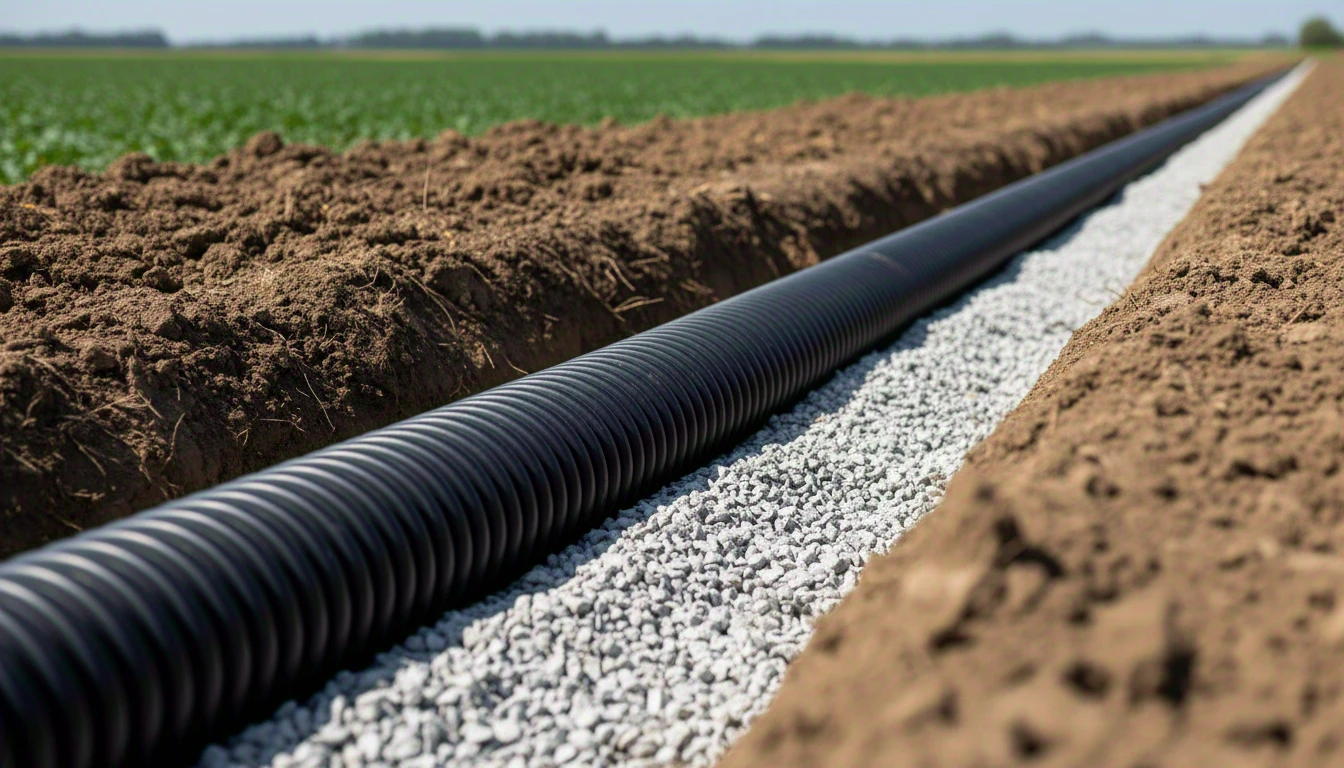
Subsurface drainage lowers the water table and removes excess water from the soil. It ensures agricultural productivity, the durability of roads and railways, and the…

There was a time when agriculture depended entirely on nature to function. The soil and the climate were primarily responsible for food production. However, when…
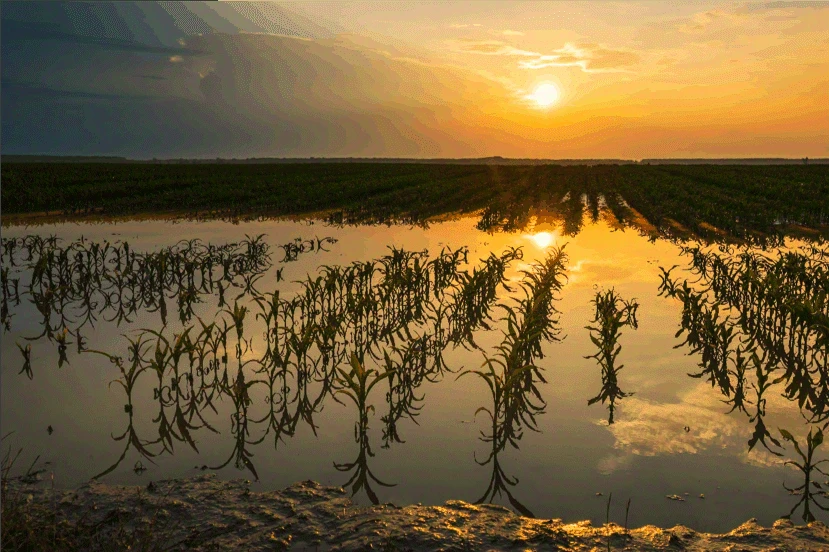
Excess moisture promotes the development of crop diseases and affects the yield of various crops. Learn how to prevent it. There is no doubt that…
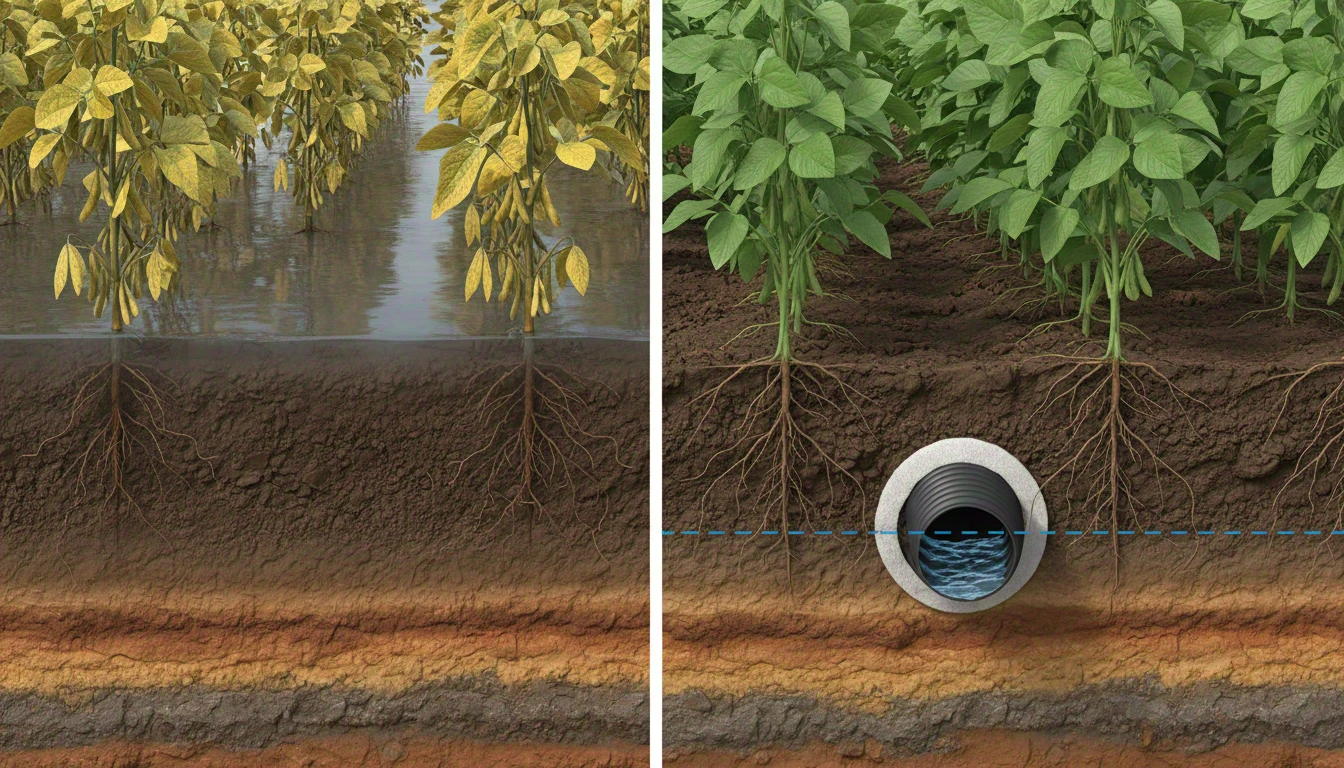
In this article, we discuss the problems associated with poor soil drainage and the benefits of proper drainage for agricultural production.