

The choice of material for an infrastructure work directly influences the safety, durability, and performance of the network over the years. In the case of drainage systems, sanitary sewage networks, and cable infrastructure, correctly specifying HDPE (High-Density Polyethylene) pipes is an indispensable step to ensure that the executive project meets technical requirements and real operating conditions.
It is essential that engineers, designers, and construction companies demand products manufactured according to current technical standards — with clear specifications for resistance, hydraulic performance, and quality control, not just the nominal diameter.
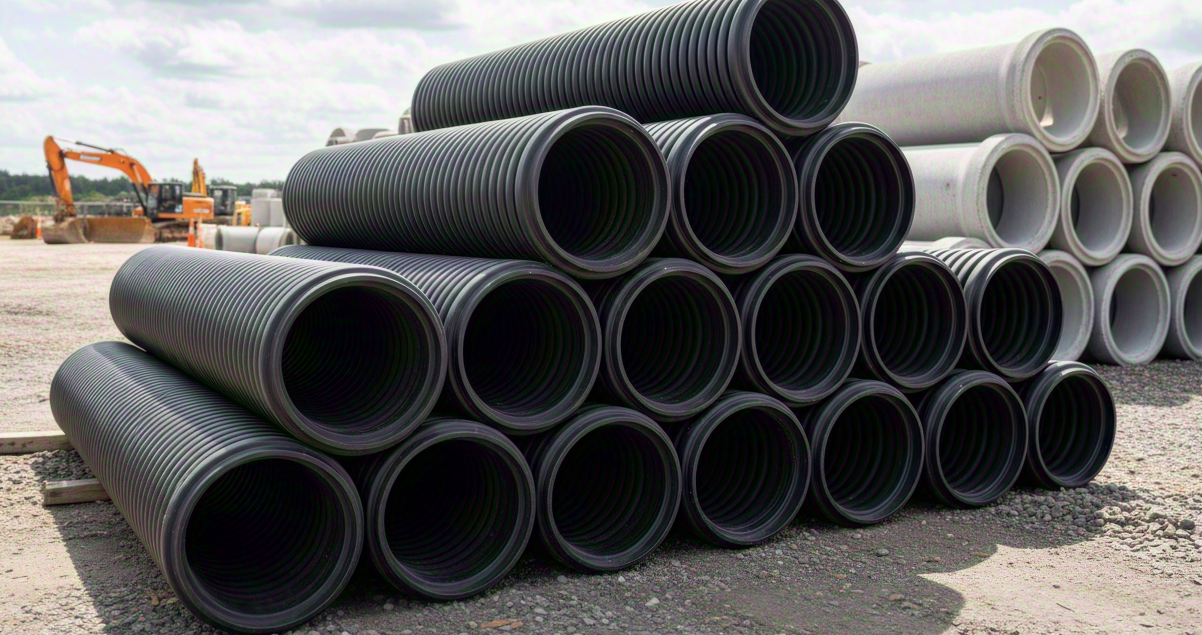 In this article, you will see which standards effectively govern HDPE pipes in Brazil, what to demand in the specification, and why this step makes all the difference for the success of the work.
Which standards really govern HDPE pipes in Brazil?
Unlike what a generic specification might suggest, there is a clear set of ABNT and ISO standards behind corrugated HDPE pipes — and the applicable standard changes according to the application:
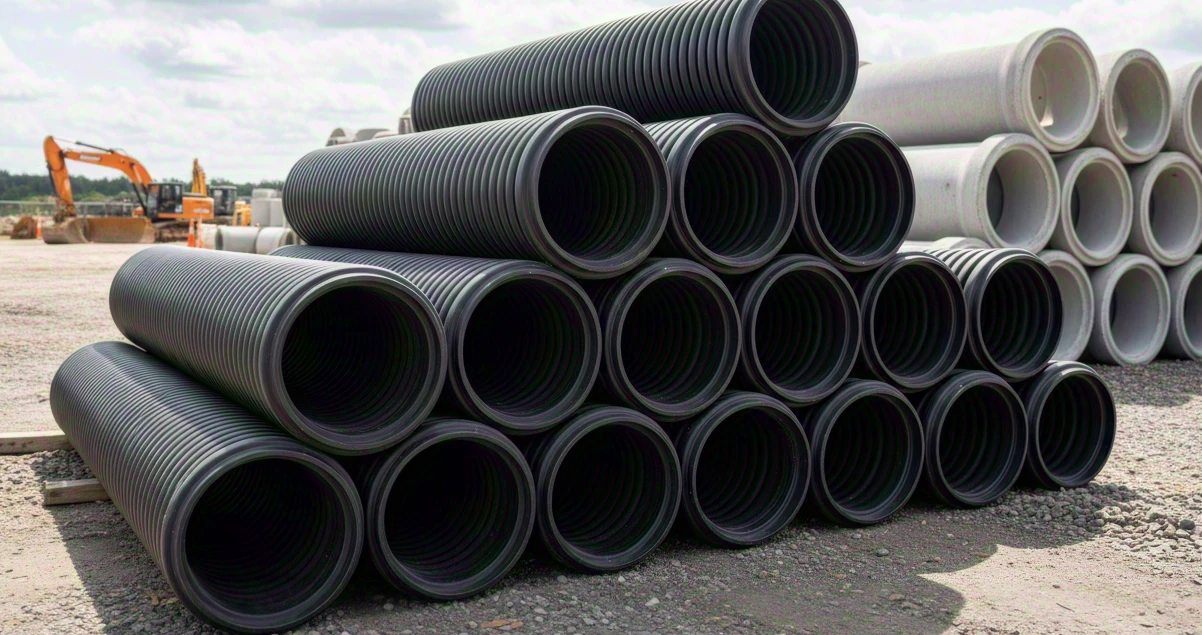
- ABNT NBR 15073 — requirements for corrugated PVC and HDPE pipes used in underground drainage, including annular stiffness classes SN4 to SN8;
- ABNT NBR 15715 — HDPE corrugated duct systems for power and telecommunications cable infrastructure;
- ABNT NBR 15551 / 15552 — double-wall HDPE pipes and fittings for gravity sanitary sewage collector systems;
- ISO 21138 (parts 1 to 3) — structural plastic piping for non-pressurized conveyance, an international reference used in conjunction with ABNT standards;
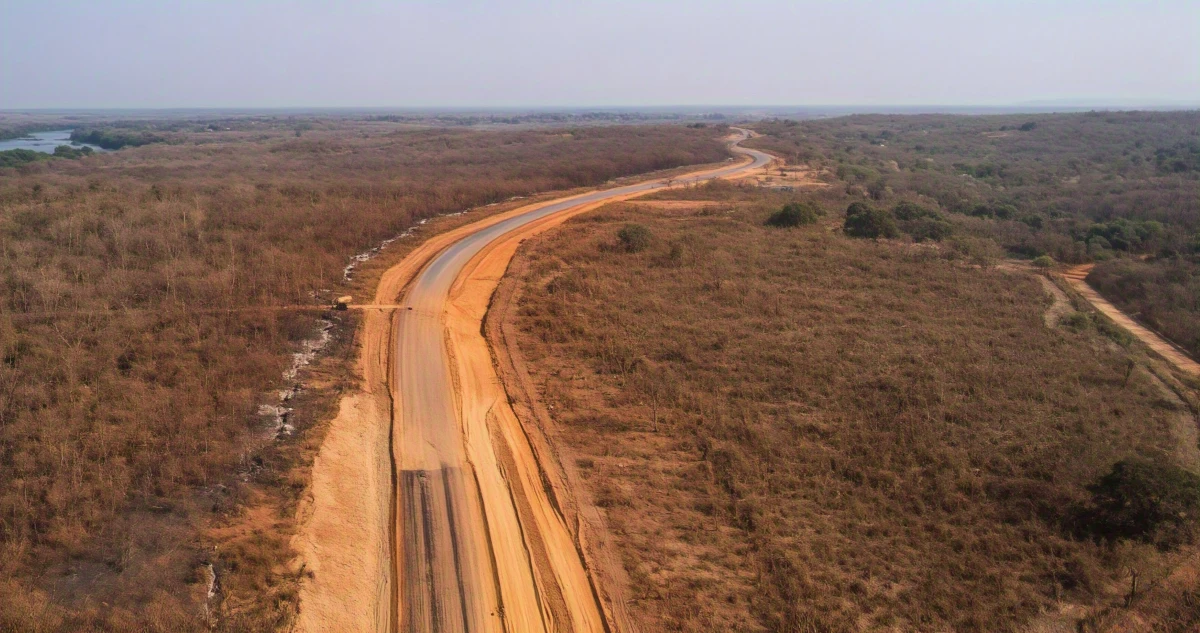
- DNIT 093/2016-EM — material specification for corrugated HDPE drainage pipes in sub-surface drainage of highways (shoulder, base, sub-base, and embankment), when the application is for roads.
Demanding the correct standard for each application — and not a generic “HDPE pipe” standard — is the first filter that separates a supplier that tests and certifies from one that just sells diameter and color.
What should be included in the HDPE pipe specification?
When preparing an executive project, it is not enough to state only the nominal diameter of the piping. It is important to define a series of characteristics that guarantee the expected performance throughout the operation.
Stiffness Class (SN)
Annular stiffness is one of the main parameters for buried pipelines — it determines the pipe’s ability to withstand soil and traffic loads without losing its geometry. According to NBR 15073 and DNIT 093/2016, HDPE pipes for drainage must meet SN4 to SN8 classes; the correct class depends on the installation depth and the expected load, it is not a single value for the entire project.
Certified Raw Material
The pipes must be produced with high-quality High-Density Polyethylene (HDPE), ensuring mechanical strength, dimensional stability, and performance over the years. The use of adequate raw material directly influences the durability and reliability of the installation.
Chemical Resistance
One of the great advantages of HDPE is its high resistance to corrosion and chemical attack — a relevant differential in:
- Drainage systems;
- Sanitary sewage networks;
- Urban infrastructure;
- Industrial environments.
Unlike metallic or concrete materials, HDPE maintains its structural characteristics even in acidic, saline, or sulfate-containing soils.
Hydraulic Performance
The smooth inner wall of HDPE significantly reduces friction for water flow. In practice, this results in greater hydraulic efficiency, less sediment accumulation, and lower maintenance needs during operation.
Designed Service Life
An executive project must consider the piping’s performance over decades of operation. When correctly specified and installed, HDPE pipes have a long service life, reducing corrective interventions and improving the project’s cost-benefit.
Applications Requiring Rigorous Specification
Corrugated HDPE is versatile, but each application has its own standard and technical requirement — and not all HDPE piping is of the same type. Among the applications that effectively use corrugated (non-pressurized) pipes:
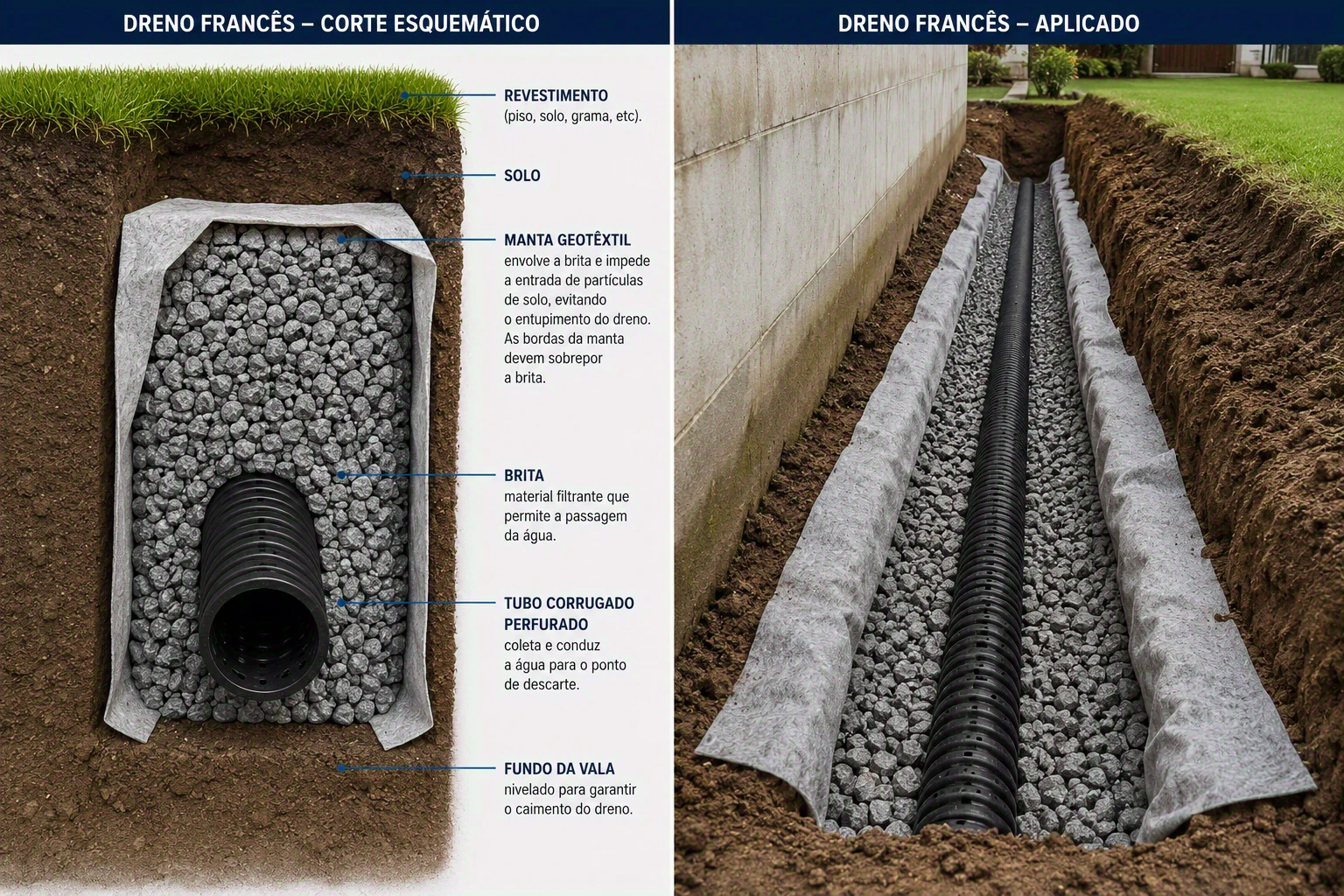
- Urban and underground drainage systems (NBR 15073);
- Sub-surface drainage of highways and railways (DNIT 093/2016, for highways);
- Gravity sanitary sewage networks, double-wall (NBR 15551/15552);
- Power and telecommunications cable infrastructure (NBR 15715);
- Crossings and technical galleries.
Note: treated water supply and pressurized reservoirs use different manufacturing technology (smooth extruded pipe, under another standard) — it is not the same product family as corrugated pipe, and the specification cannot be treated as interchangeable.
Much Beyond Pipe Diameter
A common mistake is believing that defining the nominal diameter of the piping is sufficient. In practice, several factors directly influence the network’s performance:
- Soil type;
- Installation depth;
- Traffic load;
- Joint type;
- Installation method;
- Expected flow rate;
- Operating hydraulic conditions.
The more complete the executive project — correct standards, adequate stiffness class, well-defined installation conditions —, the lower the chances of problems during execution and throughout the work’s service life.
Safer Projects Start with Correct Specifications
The quality of a construction work is directly related to the decisions made during the design phase. Specifying HDPE pipes according to the correct standard for each application — considering stiffness, hydraulic performance, durability, and quality control — is what makes the system efficient, safe, and prepared to operate for decades.
At Techduto, technical specification is part of the support: we manufacture corrugated HDPE pipes for drainage — Techdreno and Techdreno DW, double-wall — and for power and telecommunications cable infrastructure — Techduto NBR and Techduto DW, cable protection —, all according to the ABNT and ISO standards applicable to each case. Our engineering team supports the definition of the stiffness class and the correct specification for your executive project; also use the drainage technical calculator for an initial sizing estimate.