
The solar energy market, which is booming in Brazil, represents an inexhaustible, renewable, and low-cost source of power. Learn how solar energy works.
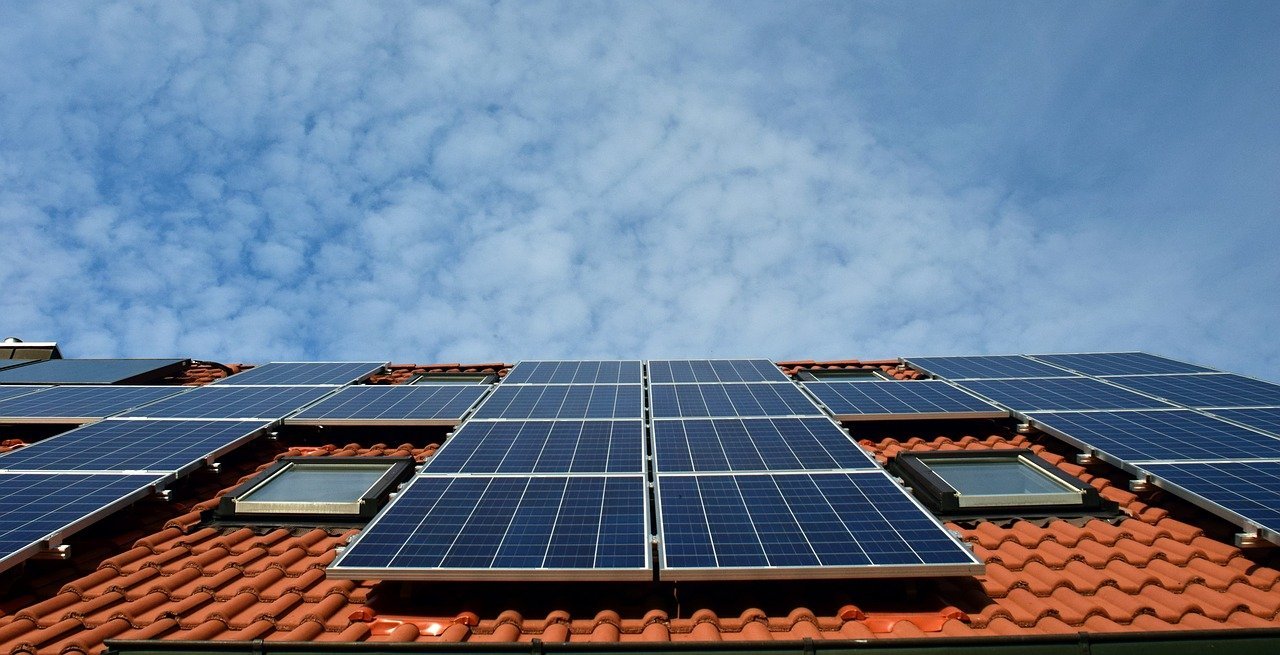
When it comes to renewable energy, one of the topics gaining the most attention in Brazil is how solar energy works. This clean alternative requires a low-cost system capable of generating energy from an inexhaustible source.
Since Brazil is a tropical country, the implementation of solar energy is an obvious choice. Furthermore, it allows for the expansion of Brazil’s energy mix, reducing costs and the risk of blackouts, such as those that occurred relatively recently.
So, how does solar energy work? That’s what we’ll explain in this article!
What is solar energy?
To understand how solar energy works, we need to know what it really is. Simply put, we can define it as energy obtained from the sun that can be converted into thermal or electrical energy.
Thanks to this, it has various uses and applications, both in homes and businesses, agribusiness, and industries. The sector is growing at a rapid pace: according to the National Electric Energy Agency (Aneel), in 2019 the expansion was 212%, with approximately R$ 4.8 billion invested in the country in photovoltaic systems.
Therefore, it is a form of energy that also drives the economy. And because it is a clean alternative, it remains a positive option in an increasingly sustainable world. The progress has been significant: in 2020, solar energy accounted for less than 2% of the energy mix, and by 2024 it already represented (BEN 2025), making it the fastest-growing source in the country.
How does solar energy work?
Currently, solar energy is used in homes and small businesses, not just in industries. It is proving to be increasingly accessible and cost-effective in the long term.
However, many Brazilians still do not understand how solar energy works. Even large industries still struggle to implement their projects due to a lack of adequate information.
In general, this process works through the use of panels installed in an open-air area that capture sunlight. From there, they generate direct current (DC) energy, which then passes through an inverter to be converted into alternating current (AC) electricity—the kind we use in our daily lives. This is the photovoltaic effect.
However, there is another application of how solar energy works, known as the solar thermal system. In this case, solar radiation is converted into thermal energy and then into electrical energy. What changes is essentially the purpose for which the generated energy is used.
Below, you’ll learn more about both types!
Solar thermal energy
Also known as concentrated solar power, this option has attracted a lot of attention due to the scarcity of water resources. For it to work, there are various types of collectors, which are responsible for capturing the sun’s energy.
This collector equipment can be in the form of a cylinder or parabolic dish and a central tower. It has a reflective surface capable of directing radiation toward the receiver.
Solar thermal energy is highly recommended for industries where high temperatures are required. A thermal power plant is one of the most obvious possibilities.
Photovoltaic energy
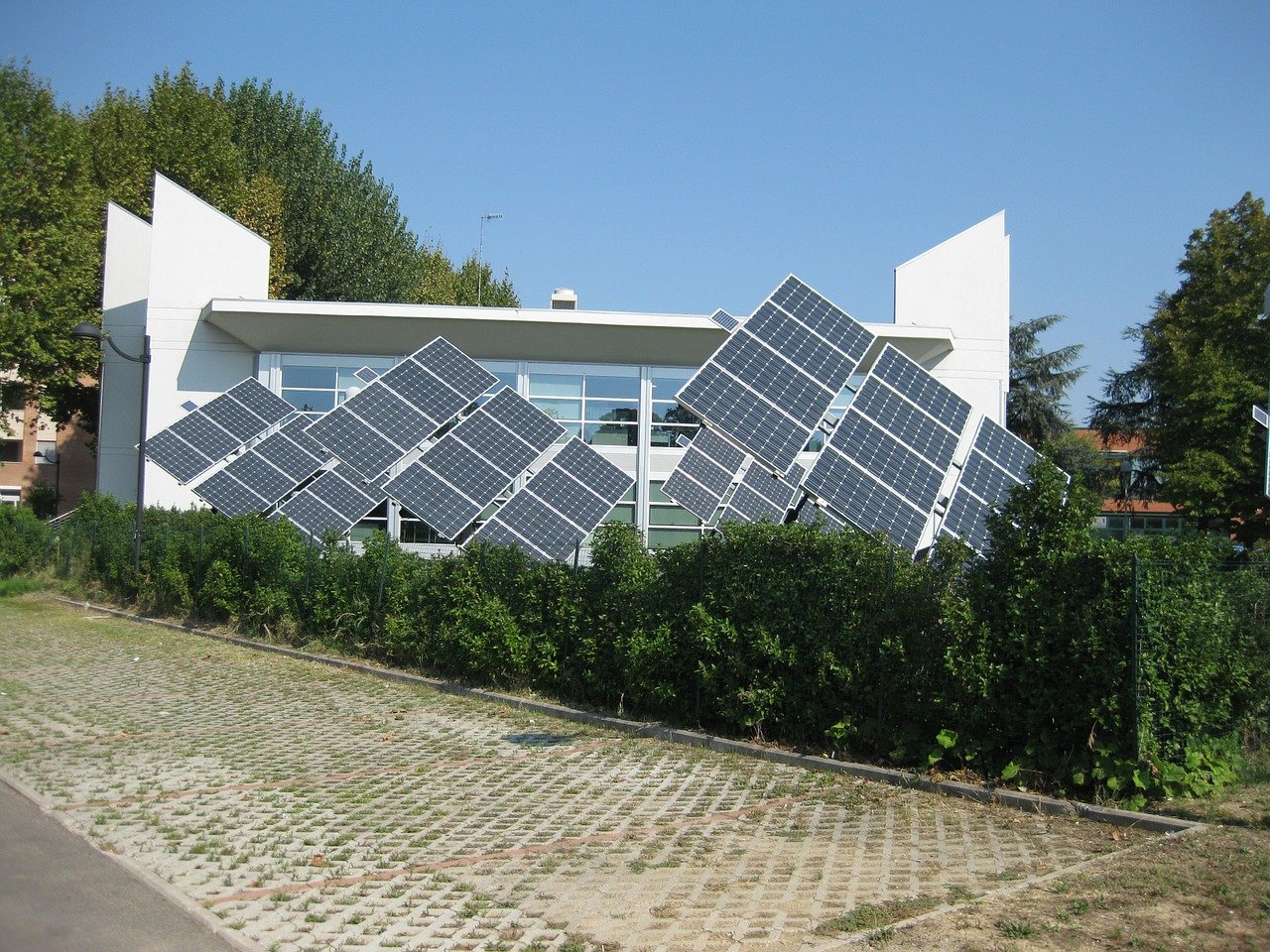
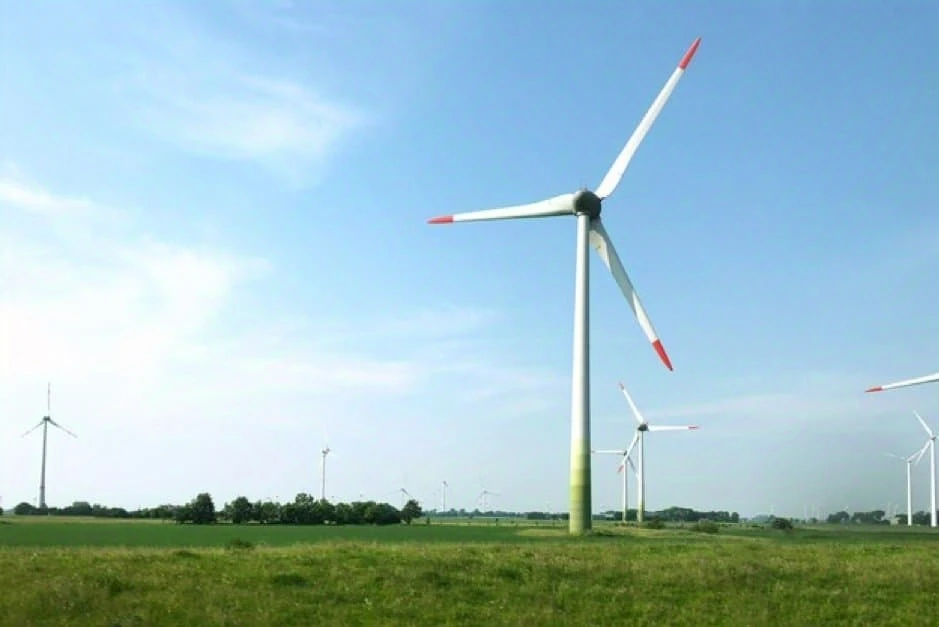
The option of a photovoltaic system is very common in homes, for example, but it can also power businesses and industries. In this case, the main difference in how photovoltaic solar energy works is that it does not require a collector, as in the previous type.
This is because, in this case, energy is captured by solar panels. Typically, they are installed on the roof of the house. However, in some places it is also possible to place them directly on the ground, such as in open fields where there is plenty of direct sunlight.
We can say that this is the most affordable and common option, as its use is very versatile. The energy generation capacity will depend on the number of panels and the amount of sunlight the location receives.
There are also different types of panels, which vary depending on the intended use. Check out some of them:
- Organic photovoltaic cell: uses organic electronics to absorb light;
- Cadmium telluride: features a semiconductor layer to absorb and convert sunlight, with an efficiency of around 16%;
- Thin-film solar: energy capture efficiency can reach 13%;
- Monocrystalline silicon: this is the most efficient, offering up to about 22% efficiency.
On-grid, off-grid, and the net metering system
Another key aspect of how solar energy works is how the system connects (or does not connect) to the power grid:
- On-grid (connected to the grid): this is the most common. It does not use batteries—when the system generates more than is consumed, the surplus is fed into the grid and becomes energy credits on the electricity bill, through the net metering system regulated by ANEEL;
- Off-grid (standalone): uses batteries to store the generated energy. This is the option for locations without access to the power grid;
- Hybrid: combines both—it connects to the grid while still maintaining batteries as a backup.
Why use solar energy?
In addition to understanding how solar energy works, it’s important to ask whether it’s truly advantageous compared to other options. For those seeking a sustainable energy source, it certainly stands out.
However, it’s not just about sustainability, as solar energy offers many other benefits for those who invest in such a system. Check out the main advantages we’ve listed below!
Low cost
Although many people fall for the myth that solar energy is expensive, this is relative. In fact, installation involves a higher cost, but this is decreasing every year in Brazil.
The most expensive part is purchasing the solar panels. After that, in reality, you have virtually no further costs. If you have a business that uses grid electricity and switches to a photovoltaic system large enough to meet all your demand, the investment pays for itself in the long run.
Inexhaustible
As we mentioned, solar energy never runs out. Unlike water resources, it is not at risk, since the sun is the only source needed in this case.
Easy maintenance
Another interesting detail for anyone looking to understand how solar energy works is that its maintenance doesn’t require high costs.
First, because solar panels have easily replaceable parts and maintenance is performed only once a year through a simple cleaning. Second, because they last up to 25 years in full operation.
Provides power to remote locations
There are still places in Brazil where the power grid doesn’t reach or is constantly experiencing problems. Solar energy is a solution to this problem, mainly because it’s cheaper than a generator.
A growing alternative
To give you an idea, Brazil is already among the world’s leading countries in solar energy. It’s a trend that continues to grow—which means that the cost of installation and maintenance should also become more affordable over the years.
How can Techduto contribute to solar energy projects?
Understanding how solar energy works also involves realizing that, beyond the visible solar panels, there is an entire infrastructure behind them. This includes electrical cables, connectors, protective conduits, circuit breakers, and other electrical components.
Techduto is a Brazilian company specializing in the manufacture and supply of corrugated conduits for the photovoltaic sector. Made of HDPE (High-Density Polyethylene), they protect the electrical cables that connect the solar panels to the medium-voltage grid, most of which are underground.
HDPE corrugated conduits to protect electrical cables
Techduto NBR, Techduto SD, and Techduto DW corrugated conduits have taken on a prominent role in the solar energy sector in Brazil. Thanks to their physical and chemical resistance, flexibility, and durability, they are present in the country’s most important photovoltaic parks.
In addition, Techduto’s corrugated pipes are also versatile and can be used in residential and commercial projects. There is even the Techduto UV line, created specifically for solar energy projects. It contains an anti-UV additive, which gives the conduits greater durability and protection against ultraviolet rays. Currently, the line is already being used in projects in Brazil, Chile, Argentina, and Mexico.
Drainage Pipes
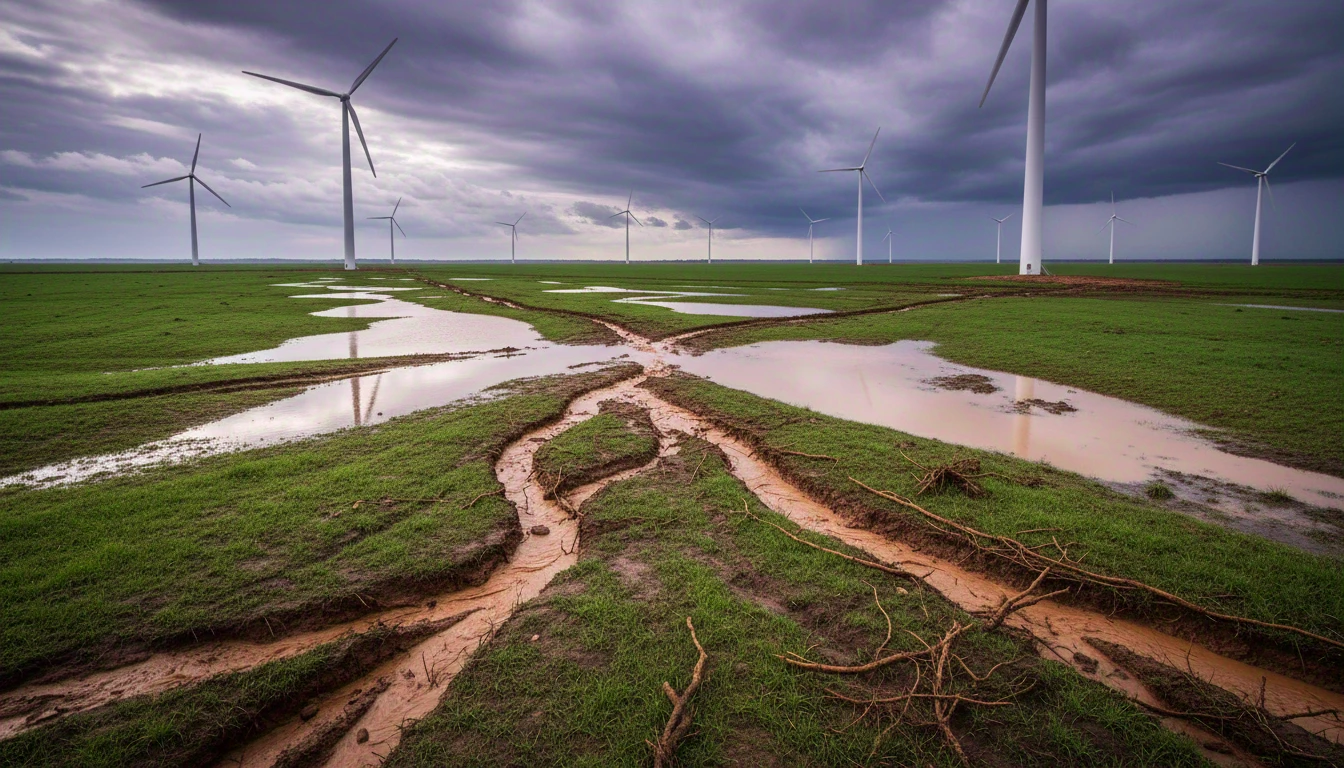
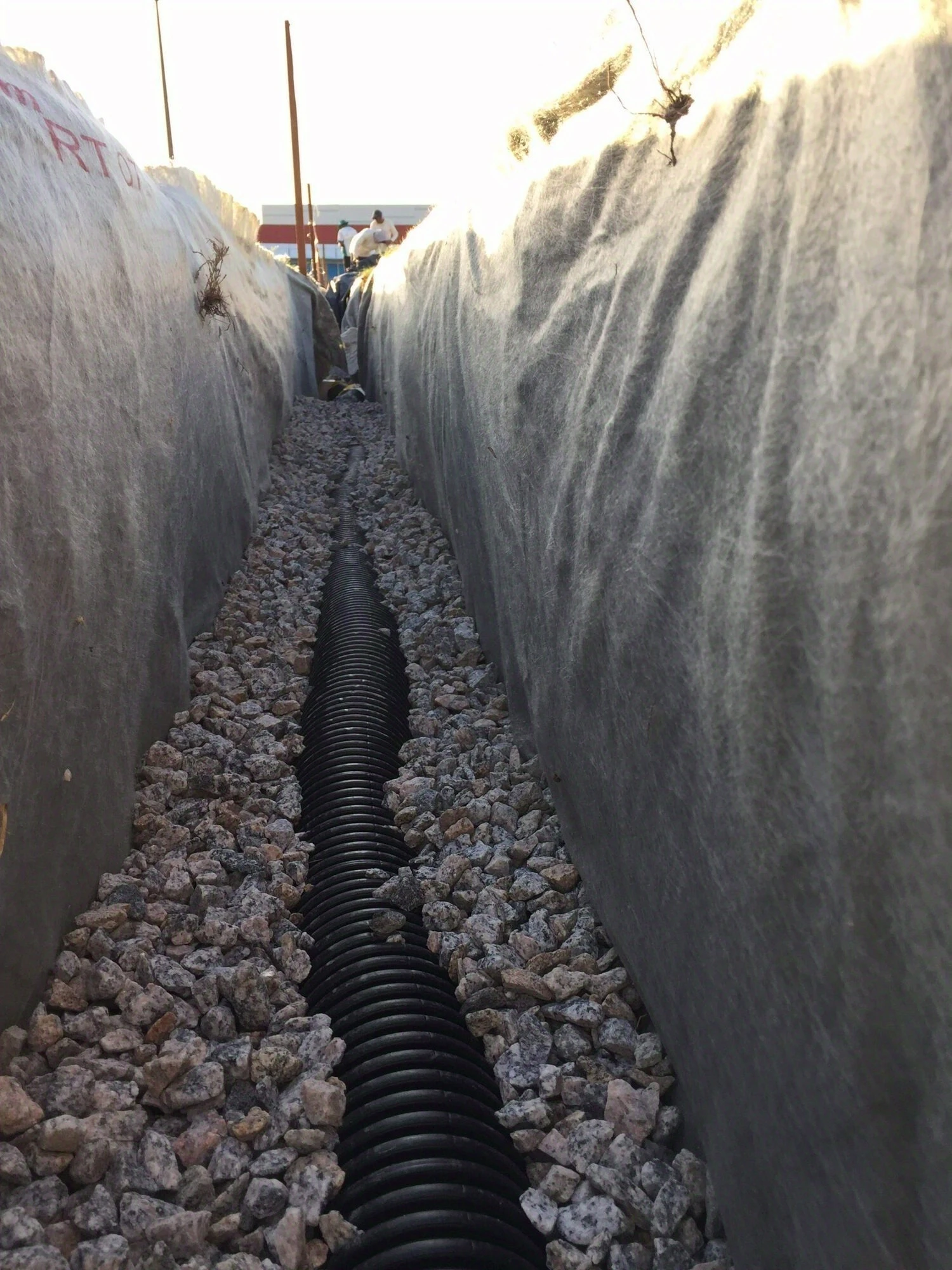
For projects requiring drainage pipes—to prevent water accumulation in the ground from causing damage to infrastructure and compromising the safety of those who work or live there—Techduto offers additional options. Among them are the Techdreno NBR and Techdreno SD drainage pipes.
To get an idea of Techduto’s experience and reliability in the HDPE corrugated pipe sector, Latin America’s largest photovoltaic plant uses Techduto pipes in its infrastructure. Located in northwestern Bahia, over 1.7 million meters of pipes were installed.
On the Techduto website, you can learn about other major projects in which the company has been involved, as well as the corrugated pipes it manufactures and their various applications.