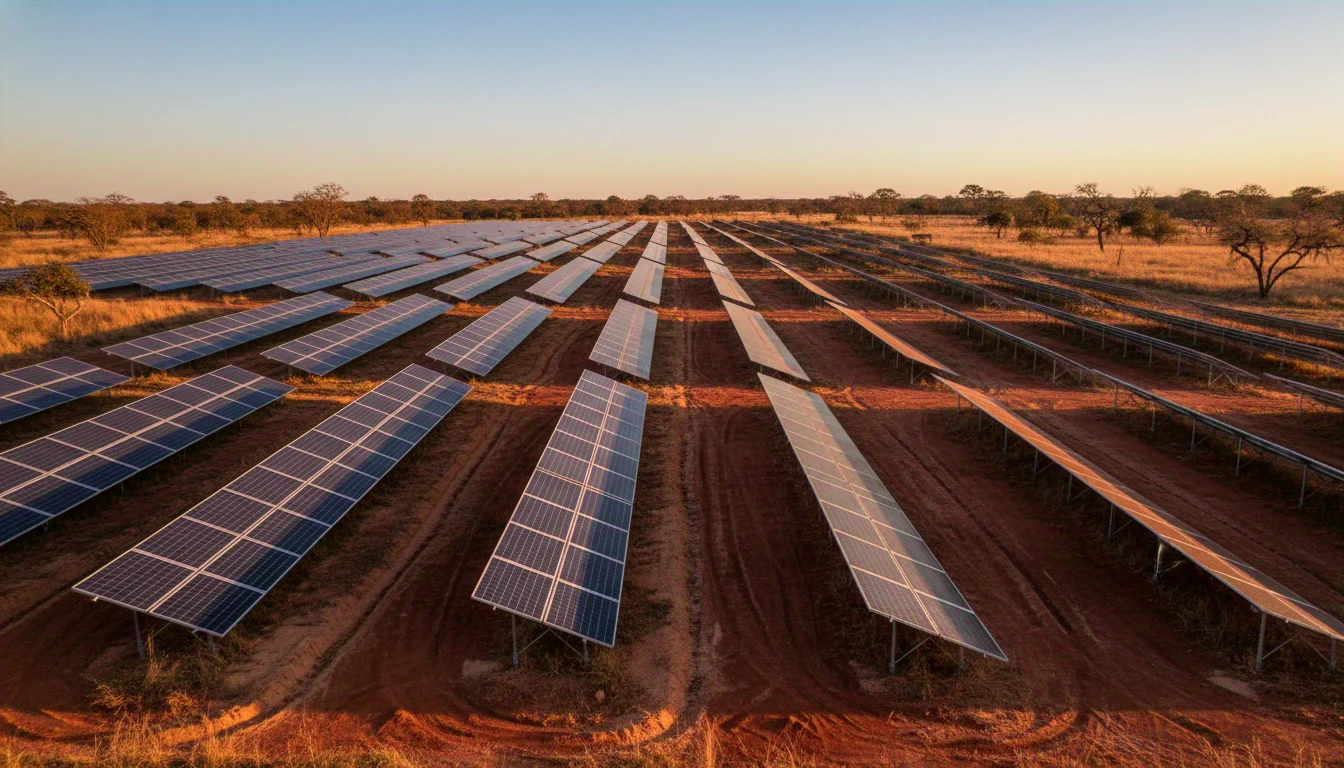

The promise of turning wind and sun into clean energy drives thousands of professionals in Brazil. Every solar or wind farm stands as a symbol of sustainability—but those who work on these projects day in and day out know that the challenges go far beyond the opening-day photos.
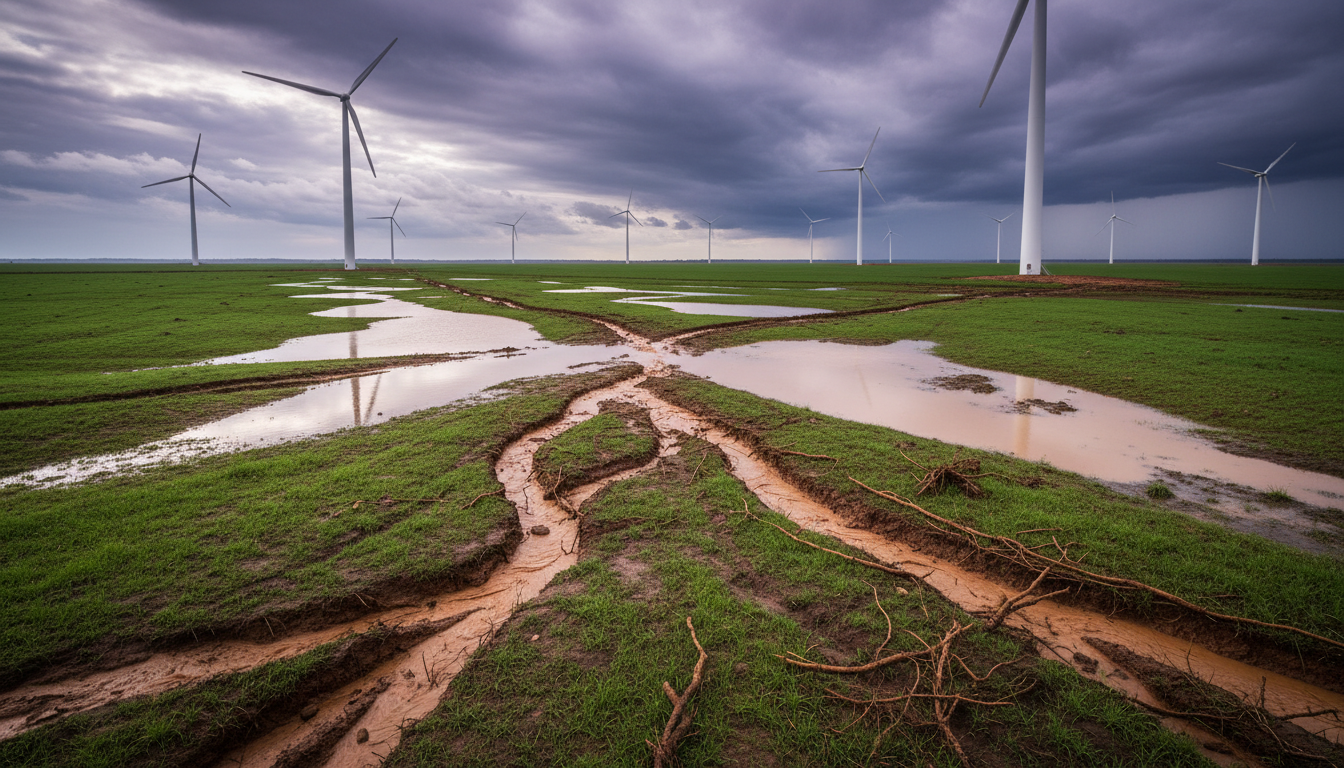
Flooding, erosion, and structural damage are among the main risks posed by the lack of a proper drainage system. In this article, you’ll learn why drainage in power plants is essential to ensuring safety, durability, and energy efficiency in solar and wind energy projects.
Drainage in power plants: what’s at stake?
When we talk about power plants, many people think only of solar panels and wind turbines. But you, as an engineer or project manager, know that success lies in the details—and drainage is one of them. The absence of a good drainage control system can lead to structural damage, construction delays, and significant losses in energy efficiency.
Flooded soil can compromise foundations, affect structural stability, and hinder the maintenance of underground cables. Additionally, accumulated water promotes corrosion of metal components and the onset of erosion. All of this directly compromises the equipment’s lifespan and return on investment.
Therefore, when we talk about drainage in power plants, we are talking about protecting the project as a whole. And this begins with smart planning and products suited to the realities of the field.
Impact of drainage on solar power plants: greater efficiency and safety
If you work in solar photovoltaic plants, you know how stable and dry the ground needs to be to ensure the safety of the infrastructure. Additionally, underground cables must be protected against water infiltration that could cause short circuits or voltage loss.
With proper drainage, it is possible to prevent flooding that hinders access to structures, compromising system maintenance and operation. Excess moisture in solar park soils can even affect module performance, as it interferes with the temperature and stability of the foundation.
Solutions such as Techdreno pipes (and, for high flow rates, Techdreno DW) have been widely used to efficiently direct rainwater, preventing pooling and ensuring worker safety. Protection of buried cables, on the other hand, is handled by Techduto DW and Techduto NBR. It is through this care that a truly efficient photovoltaic park is built, from both an electrical and structural standpoint.
Drainage in wind farms: preventing damage to foundations
At wind farms, the challenge of drainage is even more critical. Turbines require robust and stable foundations. Any accumulation of water around these bases can cause seepage, instability, and, over time, compromise the structural integrity of the facility.
Poorly managed stormwater can weaken the base of the towers, cause settlement, and even jeopardize the safety of the entire generation system. Efficient drainage systems are, therefore, a kind of invisible insurance against future damage.
Installing adequate drainage channels, especially on sites with high rainfall or poorly permeable soil, is an essential measure. And it is not just a matter of preventing flooding, but of ensuring the plant’s longevity and the project’s financial return.
Drainage systems: how to choose the best solutions
There is no one-size-fits-all solution when it comes to drainage in power plants. Each project has different soil, climate, and infrastructure conditions. Therefore, the first step is to have a customized plan that takes all these variables into account.
Among the most common techniques are the use of trenches with perforated pipes, inspection chambers, collector systems, and geosynthetics. In many situations, corrugated pipes are the ideal solution due to their high strength, light weight, and ease of installation. For reinforcing and separating the soil around the foundations, Bidim geotextile and drainage geocomposite complete the system.
The Techdreno line, for example, is standardized and designed to withstand high soil loads and climatic variations, ensuring durability and safety in underground installations. Using standardized products is essential to prevent deformations and failures in the drainage system.
Drainage management: prevention is the key to success
Planning and implementing a drainage system is only part of the job. Drainage management throughout the plant’s lifespan is what ensures the system’s performance. This involves regular maintenance, periodic inspections, and preventive adjustments at risk points.
In addition, it is important to train teams to identify signs of drainage failures, such as erosion, water accumulation, leaks, or blockages in pipes. These small signs, if neglected, can turn into major structural problems.
Techduto reinforces this point based on its experience with large solar and wind power plants. Having local technical support capable of guiding best practices for drainage maintenance makes all the difference in the continuity and safety of power generation.
Energy efficiency and drainage: a direct relationship
What is the relationship between drainage and energy efficiency? It is direct. When a plant is well-drained, its infrastructure operates under ideal conditions—which means fewer interruptions, lower risk of short circuits, and stability in supply.
Furthermore, structures compromised by flooding require constant repairs and maintenance. This necessitates system shutdowns and, consequently, losses in energy generation. Drainage acts as a silent pillar of efficiency.
Renewable energy requires sustainable systems, and that starts at ground level. Therefore, incorporating drainage solutions from the design phase is an investment in your plant’s performance throughout its entire lifespan.
Techduto: a partner in power plant drainage
Operating in power plants in Brazil is challenging: poor roads, tight deadlines, non-standard materials. Amid all this, you need partners who truly understand the challenges on the ground.
Techduto is one of the country’s largest suppliers of corrugated conduits and drainage systems, present in Brazil’s major photovoltaic and wind power projects. The Techdreno and Techduto lines meet the most demanding technical standards, offering high performance and fast delivery.
More than just products, we offer close technical support, a regional logistics network, and responsive service. Explore the full Techduto product line and see how to make your power plant safer, more efficient, and longer-lasting—even in what no one sees: the silent protection that drainage provides for your project.