
When we talk about renewable energy and high-performance agriculture in Brazil, we often think of solar panels, wind turbines, or vast grain fields. But there is a silent, invisible factor that can determine the success (or failure) of major projects in these sectors: the drainage system.
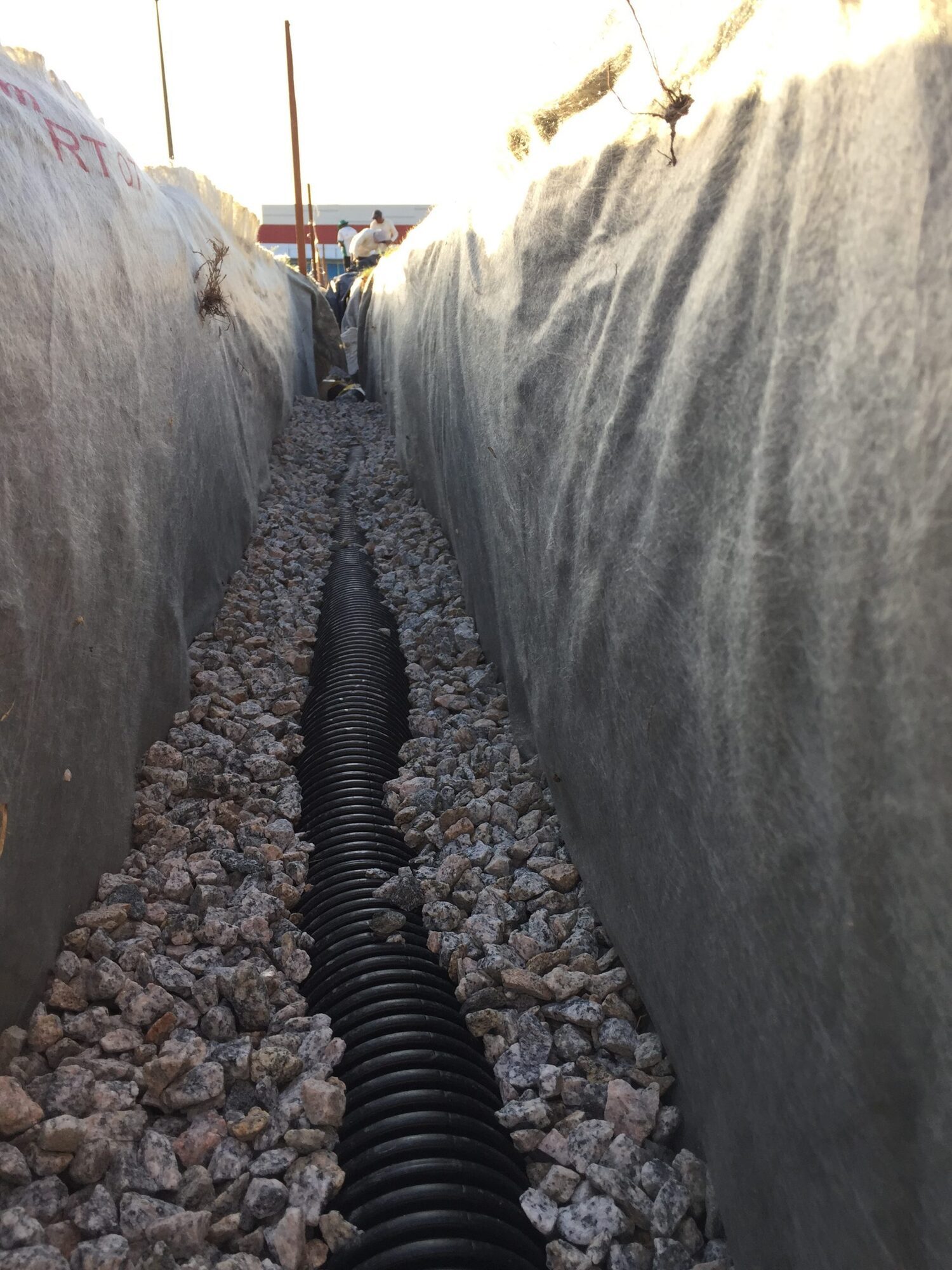
Proper water drainage, in both urban and rural areas, is not just a technical detail—it is a fundamental pillar of productivity, safety, and sustainability. In this article, you’ll learn how drainage systems function in agricultural and energy infrastructure, understand the real challenges of waterlogged soil, and see Techduto’s role in the drainage revolution in Brazil.
Drainage systems: what are they and why are they so important?
A drainage system is the set of techniques, materials, and structures used to channel or remove excess water from an area, whether agricultural or energy-related.
In the field, it prevents moisture buildup in the soil, ensuring that roots can breathe and plants can develop fully. In solar or wind power plant areas, it prevents flooding that compromises foundations and equipment. Without a proper drainage design, all built infrastructure—whether for planting, irrigation, power generation, or urban development—faces serious risks: investments can be lost, and productivity severely impacted.
Drainage systems in agriculture: how to restore soil and increase productivity
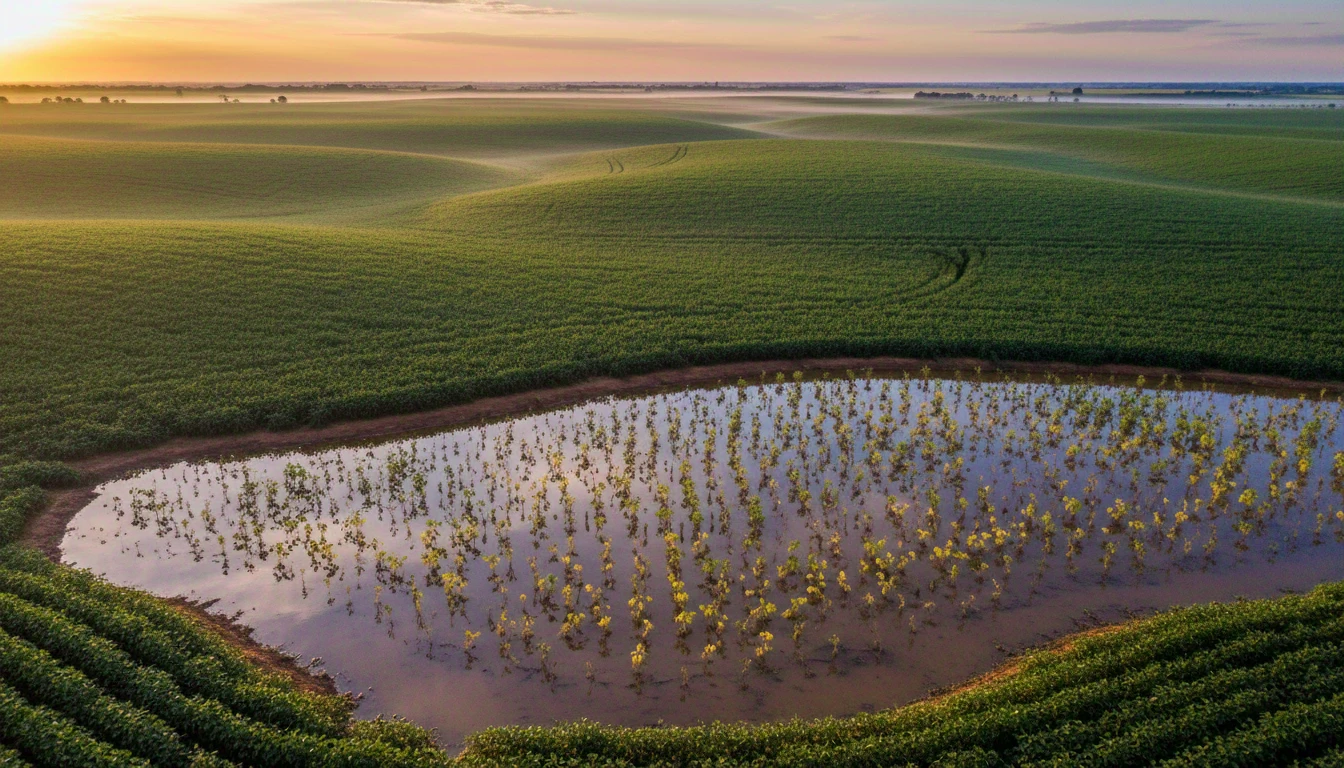
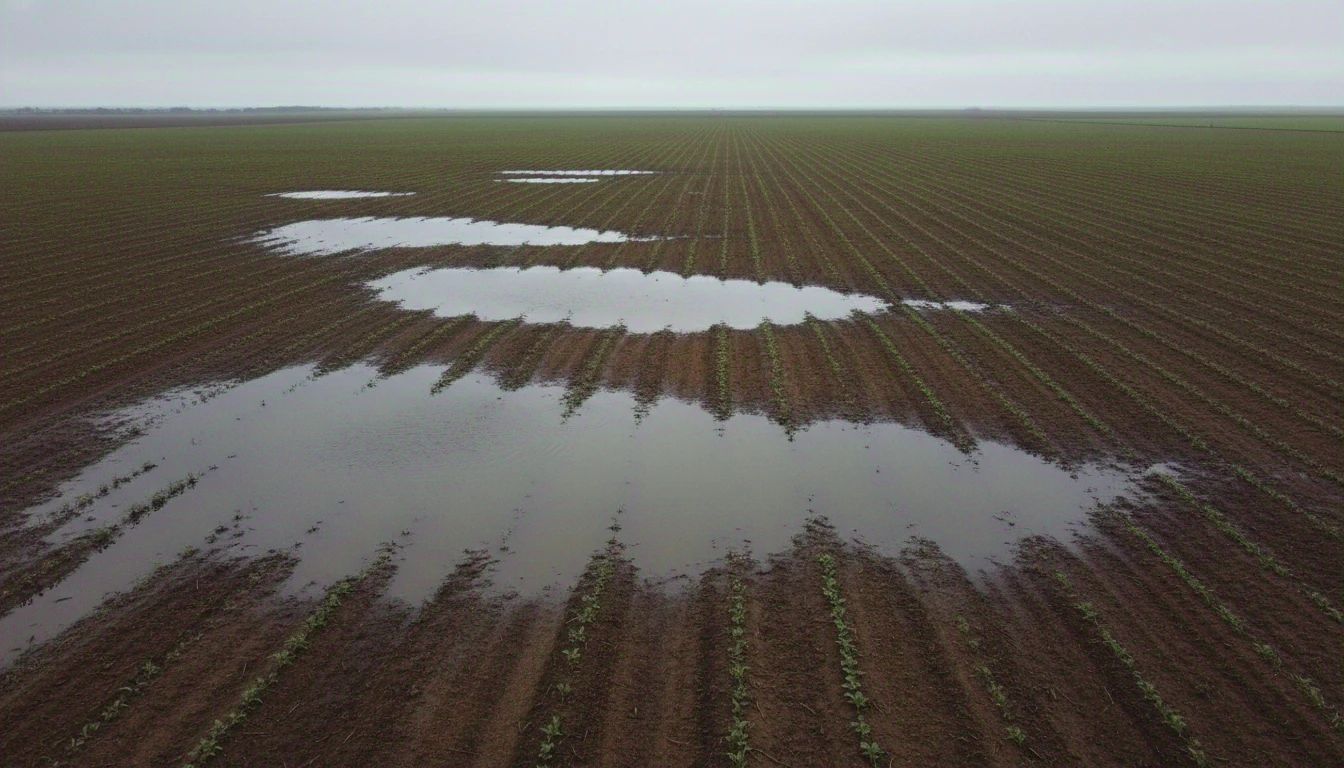
If you work with soybeans, corn, or sugarcane, you’ve likely already faced the consequences of waterlogged soil: yield loss, suffocated roots, erosion, and compaction. This is a problem that silently erodes crop profitability.
With proper agricultural drainage, it is possible to reverse this scenario. The Techdreno 360 system, developed by Techduto, is a clear example of how drainage can be a transformative tool: a complete solution for underground water management that creates ideal conditions for plant growth, reduces the need for pesticides, and improves irrigation efficiency. At its core are Techdreno drainage pipes and, for high flow rates, the Techdreno DW.
According to data from Embrapa, more than 60 million hectares in Brazil have the potential for subsurface drainage—but only about 2% currently use this technology. This represents a massive opportunity to increase national productivity without expanding agricultural areas: simply by improving soil drainage.
Drainage systems in power plants: safety and energy efficiency
The efficiency of a solar or wind power plant depends not only on the installed technology but also on the stability of its physical foundation. A poorly planned drainage system can ruin everything—all it takes is a heavy rain to compromise the soil around the foundations or cause short circuits in underground installations.
Techduto is a leading player in this segment, supplying corrugated pipes and systems such as Techdreno (NBR and SD), used to ensure stormwater and underground drainage in photovoltaic and wind farms. These materials prevent water accumulation in structures and extend the equipment’s service life. The protection of buried cables, in turn, is handled by Techduto DW and Techduto NBR.
It is important to remember that clean energy projects must also be sustainable in their implementation. This includes proper water management, reducing environmental risks, and optimizing the use of natural resources. A smart drainage system translates to long-term savings, less maintenance, and greater stability.
Drainage problems: what are the signs and risks?
Many projects ignore the first signs of failure in the drainage system. But anyone familiar with the field or who has been on an energy construction site knows: all it takes is for the ground to start pooling for problems to begin. Some signs that something is wrong:
- Formation of persistent puddles;
- Erosion at the edges of the site;
- Irregular vegetation growth;
- Appearance of cracks or subsidence.
These symptoms indicate poor soil drainage or problems with surface water runoff—which can cause everything from construction delays to loss of agricultural productivity and damage to equipment. That’s where a specialized drainage company comes in, capable of proposing solutions tailored to local conditions and soil type.
How to design an efficient drainage system from the start of the project?
Properly designing drainage from the start is one of the key factors in a successful project. After all, redoing infrastructure work is expensive and causes operational losses. The ideal approach is to integrate the drainage design into the initial construction phase, whether in agriculture or power generation.
A good system starts with a soil study: it is necessary to understand the topography, the region’s rainfall patterns, the type of land use, and the purpose of the area. From there, the depth, materials, and spacing of the drainage lines are determined. Techduto works in partnership with engineering and agricultural companies to offer not only the products but also technical support during installation—support that makes all the difference in the system’s longevity and effectiveness.
Drainage methods: which are the most commonly used?
There are several ways to drain a plot of land, and each project requires a specific solution. The main methods:
- Surface drainage: directs surface water away from the area using ditches, channels, and slopes. Very common in urban areas and on slopes;
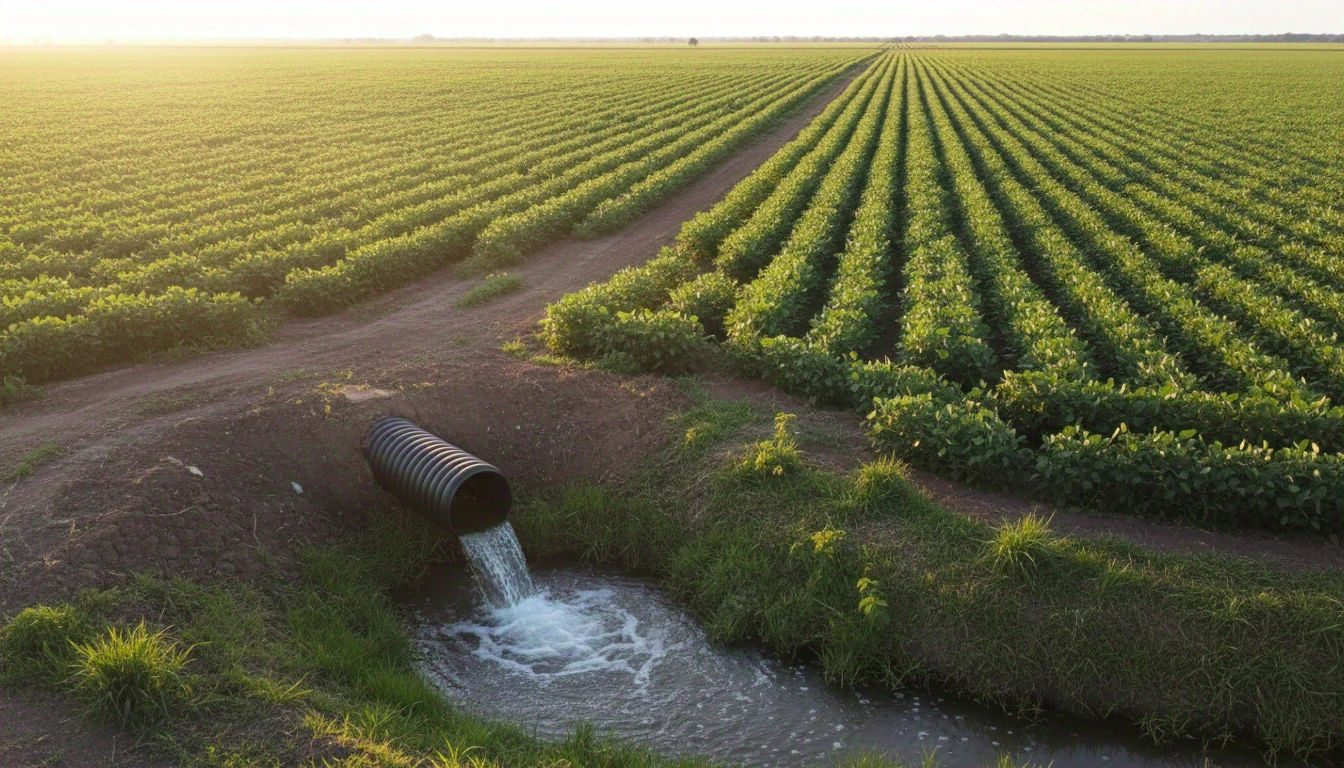
- Subsurface drainage: removes excess water from the soil through perforated pipes. Ideal for agriculture and power plant foundations;
- Stormwater drainage: designed to manage rainwater runoff in urbanized areas, preventing flooding and erosion.
When choosing one or more techniques, you must consider the soil type, land use, and expected water volume. The key is to ensure the system is functional, durable, and sustainable.
Drainage maintenance: what you need to know
Even the best design in the world needs maintenance. It ensures that the system continues to function over time, preventing clogs, deformations, or loss of efficiency. The frequency depends on the type of land use, but in general, the following is recommended:
- Periodic inspections (visual and technical);
- Cleaning of boxes and pipes;
- Checking slope and flow;
- Replacement of damaged sections.
At Techduto, all products are designed to withstand the elements, soil pressure, and chemicals. Even so, water and soil management requires constant monitoring of the infrastructure’s performance.
Drainage solutions with real impact: Techduto’s commitment
Over the years, Techduto has come to understand that infrastructure goes beyond pipes and fittings: it is about creating value where it matters most—in the countryside, in the city, and in the country’s energy grid. That is why our drainage solutions are designed to combine technology, simplicity, and impact.
With Techdreno 360, we bring precision agricultural drainage to unproductive areas. With corrugated pipes for stormwater and subsurface drainage, we help maintain the integrity of solar and wind farms. For soil reinforcement and filtration, we also offer Bidim geotextile and drainage geocomposite. The focus is on creating invisible structures with visible effects: increased productivity, greater safety, reduced costs, and enhanced climate resilience.
Ready to transform your project?
If you work in the agriculture, energy, or urban infrastructure sectors, you already understand that water drainage cannot be overlooked. A well-planned drainage system is what separates problematic projects from successful ventures. Explore the full range of Techduto products for agriculture, energy, and infrastructure—because every soil has its own challenges and every project, its own reality.