
Every drainage system is designed for a design storm — an event that, statistically, repeats every X years. The rarer the chosen event, the more expensive the system, but also the greater the protection. The question few producers ask themselves is: does this protection need to be the same across the entire property? The answer is no — and the criterion that decides this is simple: what is at stake per hectare.
What is “return period” and why it decides the size of your system
Every drainage work — be it an underground pipe, a channel, or a ditch network — is designed to drain water from a reference storm, called the return period. A “10-year storm” is one that has a probability of occurring (or being exceeded) once every decade, on average. Choosing a longer return period means designing for a more intense and rarer storm — the system becomes more robust, but also more expensive.
In Brazil, these intensity-duration-frequency (IDF) curves originate from the classic work of engineer Otto Pfafstetter, who in 1982 developed rainfall equations for 98 pluviographic stations across the national territory — the basis that engineers still use today, regionalized and updated, to design everything from urban drainage to agricultural systems. In practice, smaller and lower-risk projects usually use shorter return periods (2 to 10 years); larger or more critical structures, periods of 20, 25, or even 100 years.
High-value crops justify more protection
This is where insurance reasoning comes in: the higher the value at risk per hectare, the more expensive it is *not* to protect, and the cheaper — relatively speaking — it is to pay for a system designed for a rarer event.
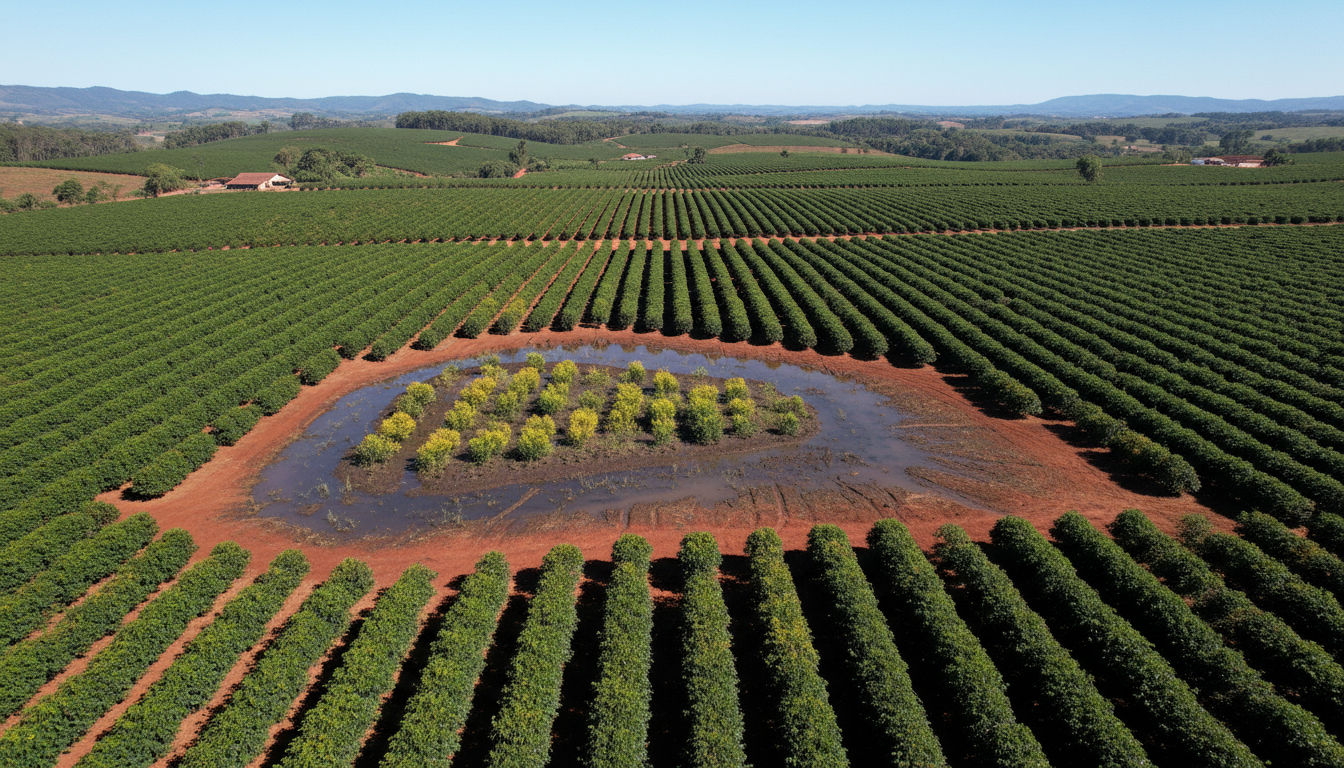
Take citrus. The average productivity of the citrus belt in SP/MG is around 900 boxes of 40.8 kg per hectare, and the price per box has hit records above R$ 80 — a well-managed hectare of orange can be worth more than R$ 60,000 to R$ 70,000 per year (CEPEA/Fundecitrus). Arabica coffee is also a high-value crop: national average productivity is in the range of 25 to 30 bags/hectare, with the CEPEA/Esalq indicator fluctuating above R$ 400/bag — which places a well-managed coffee hectare at around R$ 10,000 to R$ 14,000 per year.
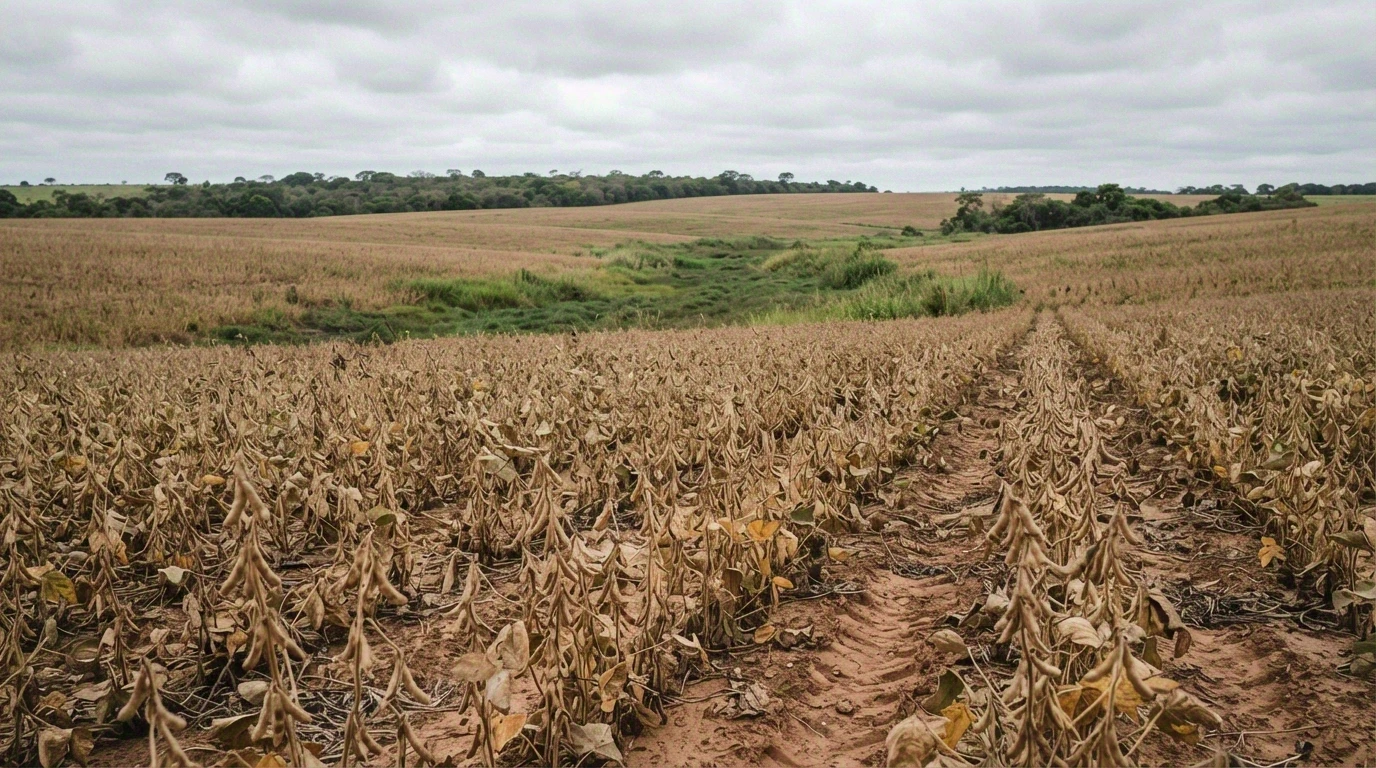
In these crops, a single extreme rainfall event that floods the orchard or coffee plantation for days — suffocating roots, dropping fruit, favoring fungal disease — can cost, in a single plot, more than the entire drainage system. It makes economic sense to design these areas for a rarer event (10, 20 years), because the “insurance premium” is small compared to the insured value.
Pasture tolerates more risk — and not draining the same way is rational
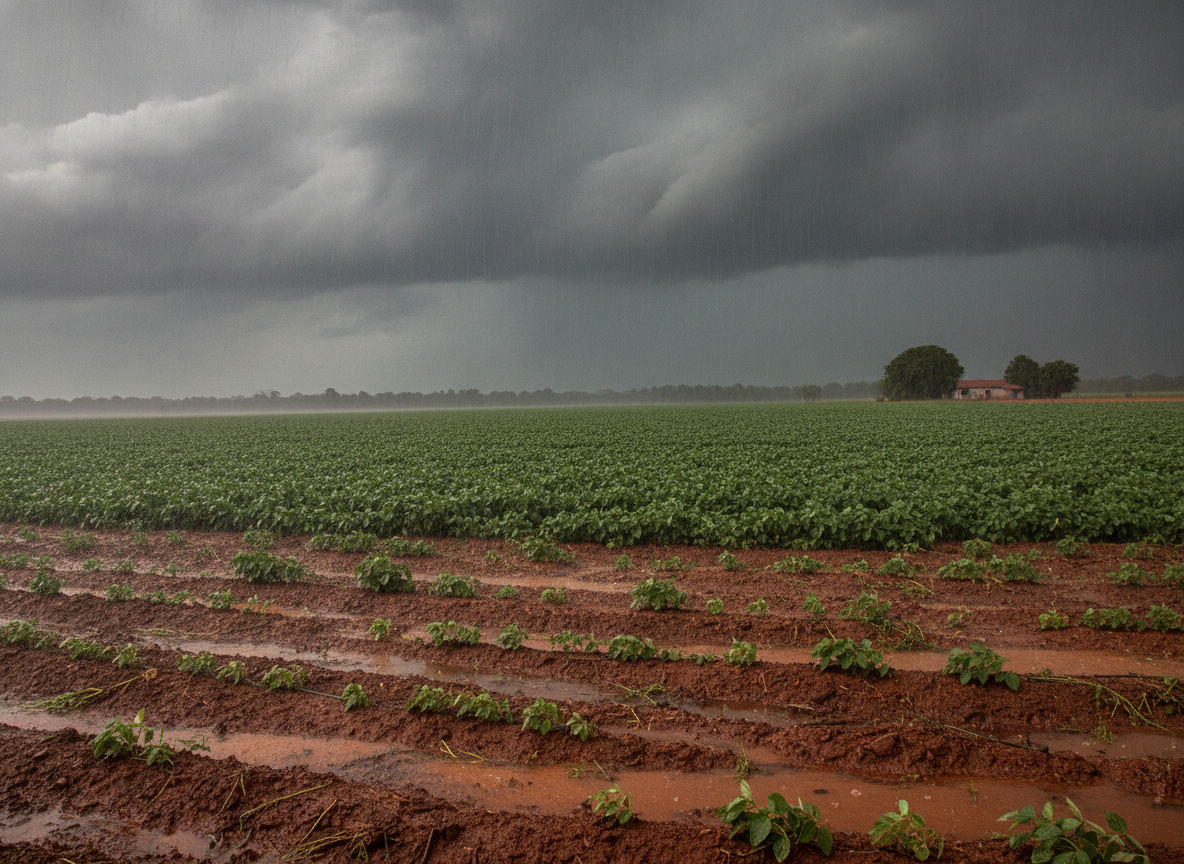
At the other extreme is extensive livestock farming. The lease value of pasture for beef cattle usually ranges between R$ 50 and R$ 150 per hectare/year — a fraction of what a consolidated crop yields (R$ 1,200 to R$ 3,500/ha/year in premium arable land, and much less than citrus or coffee). When the value at stake is this, oversizing the pasture drainage — paying for a 20-year return system where a 2 to 5-year one already solves the practical problem — is money that would be better spent protecting the high-value plot next door.
This doesn’t mean “don’t drain the pasture.” Compacted and waterlogged soil also harms carrying capacity and forage quality. It just means that the level of protection — and investment — should be proportional to what is at stake, not the same across the entire property.
How this translates into your property’s design
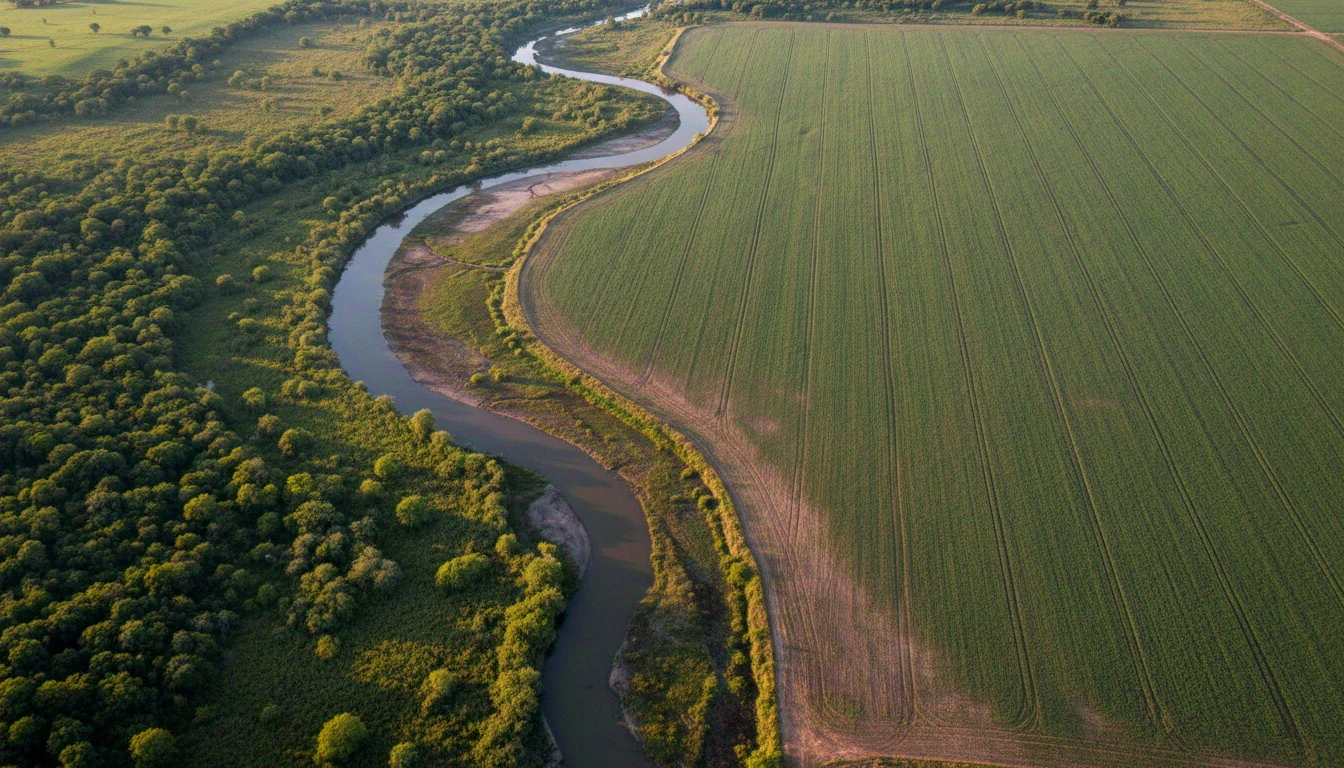
In practice, the reasoning works like risk zoning: first, identify where the highest value per hectare is (fruit trees, coffee, vegetables, high-investment irrigated areas) and treat these areas with priority and a more conservative return period. Pasture or low-intensity areas can receive simpler solutions, or be addressed later, without compromising the overall return on investment.
If you have already gone through the drainage diagnosis and know you need a system, and have already used the cost calculator to understand what waterlogging costs today, the next step is technical: defining the return period and sizing (diameter, spacing, depth) is the job of the Techduto engineering team, on a case-by-case basis, looking at each value zone of your property — there is no generic formula that works for citrus and pasture at the same time.
Want to know how much waterlogging is already costing in your highest-value area?
How Techduto delivers the right level of protection
A well-sized project by risk zone only delivers the expected return if the material can withstand the actual flow of the design event — not the average, the peak:
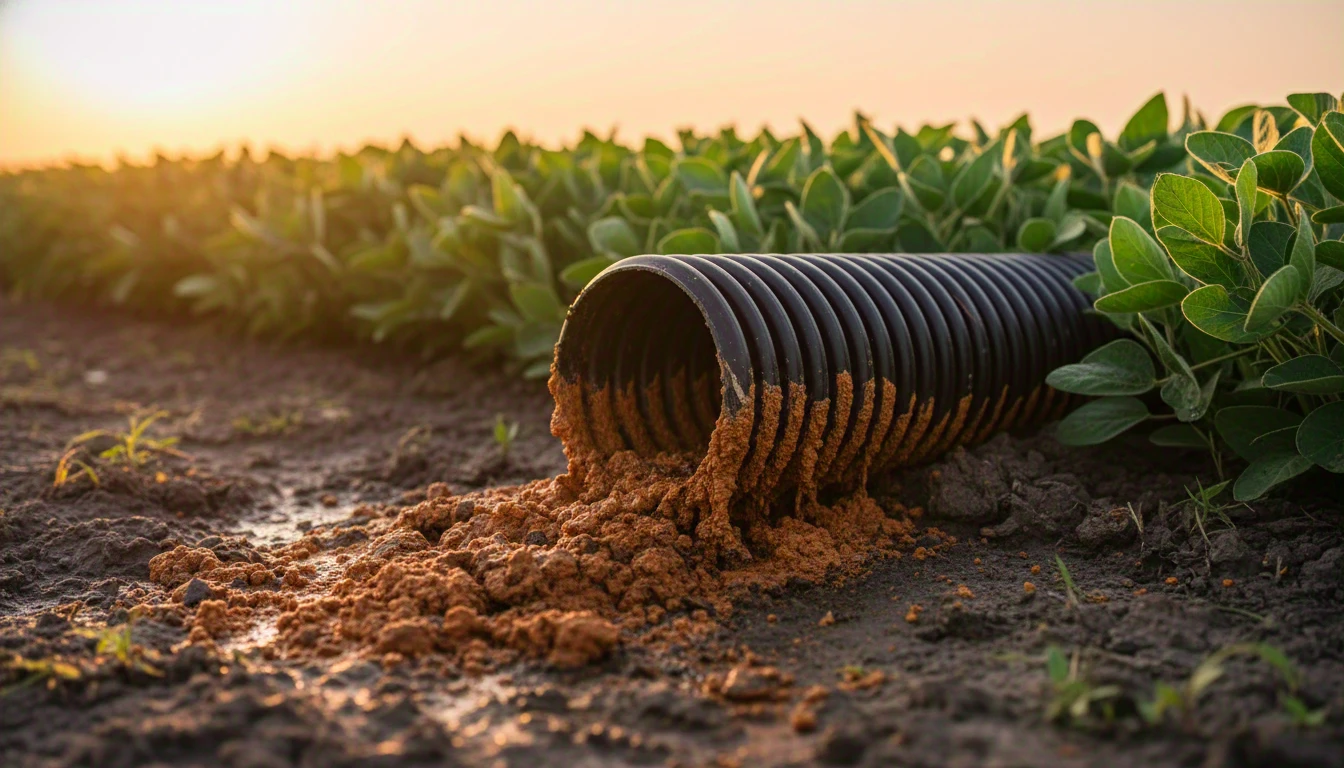
- Techdreno KC — integrated filter envelope (validated by UFLA), indicated for high-value areas where failure due to clogging is not an option.
- Techdreno DW — double wall for higher flow and strength, when the chosen return period requires more hydraulic capacity.
Bring your property map and we’ll help you separate the risk zones — and the right investment level for each.