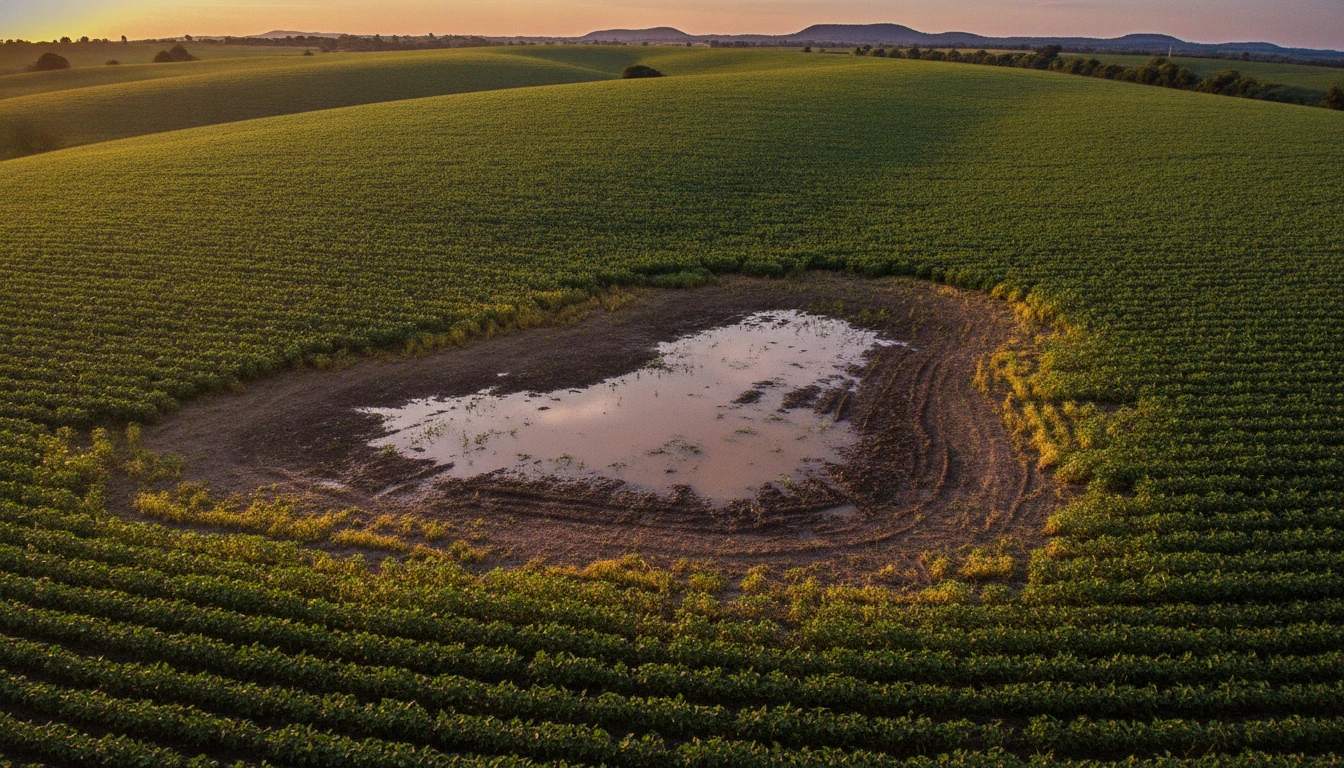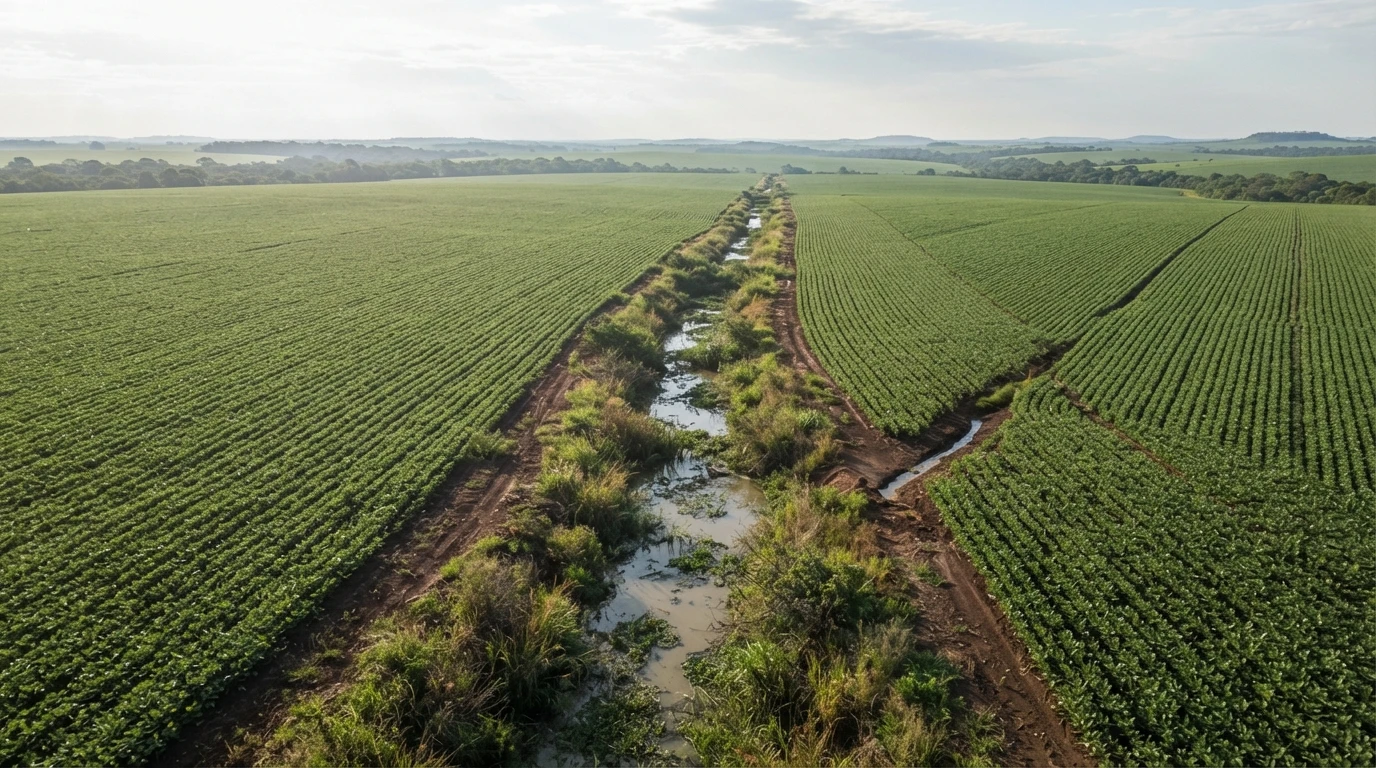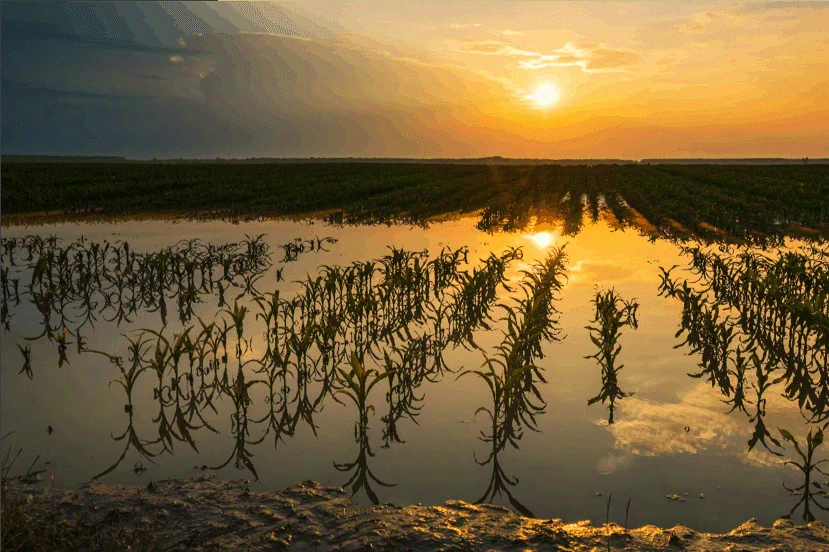

Not all waterlogged soil in Mato Grosso can receive a legalized drain — even if the water sits exactly the same way. CONSEMA Resolution nº 36/2026 restricts agricultural drainage to a specific type of soil: Plinthosol, with clay content above 15% and "good" agricultural aptitude for the intended crop. If you don't know if your area qualifies, this article translates the three technical criteria that decide — before any project or license application.
Why not all waterlogged soil can be drained now
Until CONSEMA Resolution nº 36 came into effect, the technical question was basically “does this soil need drainage?”. Now there is a second, mandatory question before the first: “can this soil legally receive drainage?”. The two don’t always have the same answer.
The regulation does not treat all hydromorphic soils the same way. Hydromorphic soil — that is, soil influenced by water from the surface down to at least 50 cm deep, with poorly or very poorly drained classes — is the broad universe. Within this universe, only a specific type of soil can receive licensed agricultural drainage works: Plinthosol. Waterlogged areas in hydromorphic soils that are not Plinthosols simply do not enter the drainage licensing process as designed by the regulation.
Plinthosol: the soil the law actually allows to be drained
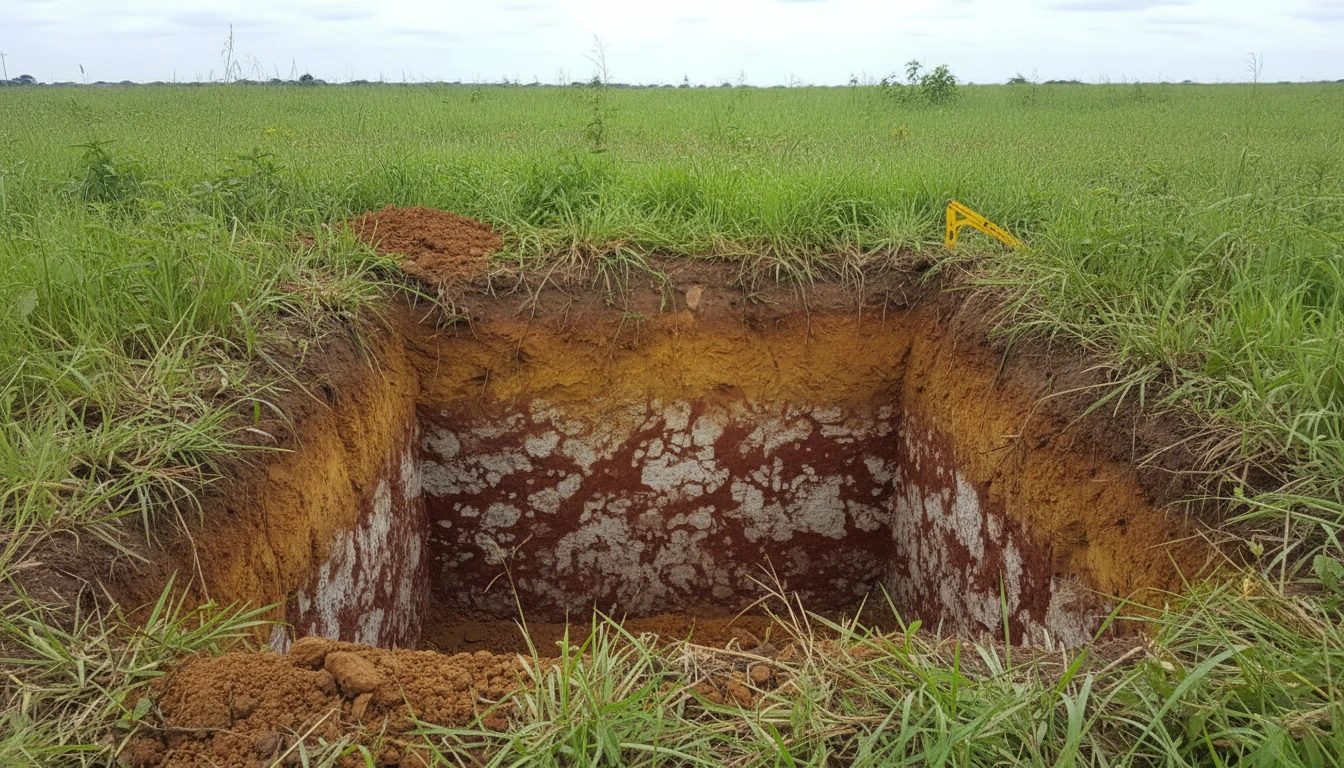
Plinthosol is a mineral soil with plinthite — a localized concentration of iron that acts as a soil cementing agent. It is a strongly acidic soil, and the iron concentration is precisely what creates the color pattern seen in the photo above: red where the iron is oxidized and hardened, gray or whitish where water dominates and the iron is reduced. This reticulated, polygonal, or laminar arrangement has a technical name — plinthic horizon — and is the central element of the entire drainage licensing chapter of Resolution 36.
The regulation requires this horizon to be duly characterized, with a minimum of 15% plinthite and 15 cm thickness, according to the Brazilian Soil Classification System. This is not a visual field assessment — it requires a specific pedological study, with a soil map at a compatible scale and laboratory analyses.
Haplic or Argillic — the difference that matters for your process
The law recognizes two subtypes of Plinthosol, and the difference between them is not just academic — it describes the hydrological behavior of the area:
- Plinthosol Argillic has a clay accumulation layer below the surface horizon. Drainage in this subtype is variable — it can have excess water only temporarily or prolonged throughout the year.
- Plinthosol Haplic does not have this accumulated clay layer. It typically occurs in flat or gently undulating terrain, with slow runoff — depressions that retain water for longer periods. It is common to find a large volume of plinthite concentrated in the first 40 cm of depth.
Both are eligible for drainage according to the regulation, provided they meet the other criteria. The distinction is included in the technical report and helps explain why two visually similar areas can have very different drainage behavior — the article on the difference between the two subtypes delves into what this changes in the project.
The clay test: why 15% is the deciding number
In addition to being Plinthosol, the area must prove a mean clay content greater than 15% in the surface horizon and in the subsurface horizon directly affected by the work. This number does not come from field estimates — the regulation requires proof through representative laboratory analyses. It is one of the few points in the resolution with a pure number, without room for interpretation: below 15%, drainage is not technically admitted, regardless of other favorable factors.
“Good” agricultural aptitude: the criterion that stops even eligible soil
Even a Plinthosol with sufficient clay may not pass the third filter: the agricultural aptitude for the crop you intend to plant must be classified as “good”, according to the Land Agricultural Aptitude Assessment System (SAAT) defined in Annex II of the resolution. The reference table describes the “good” aptitude scenario as: Plinthosol Argillic or Haplic, minimum 15% clay, imperfect to moderate natural drainage, annual, perennial, or cultivated pasture crop, with medium or high management level — excluding very intensive or specialized systems.
The regulation is explicit on a point that often surprises: it is not permitted to drain to enable a crop whose aptitude is classified as regular, restricted, marginal, or unsuitable. In other words, drainage cannot be used as a tool to “force” a crop that the soil does not naturally support well, even after drainage. This is a criterion that changes the decision logic: the question is not just “can this soil be drained?”, but “does the crop I want to plant technically justify this drainage?” — the article on the criteria in Annex II details this table precisely.
When the soil is definitively out
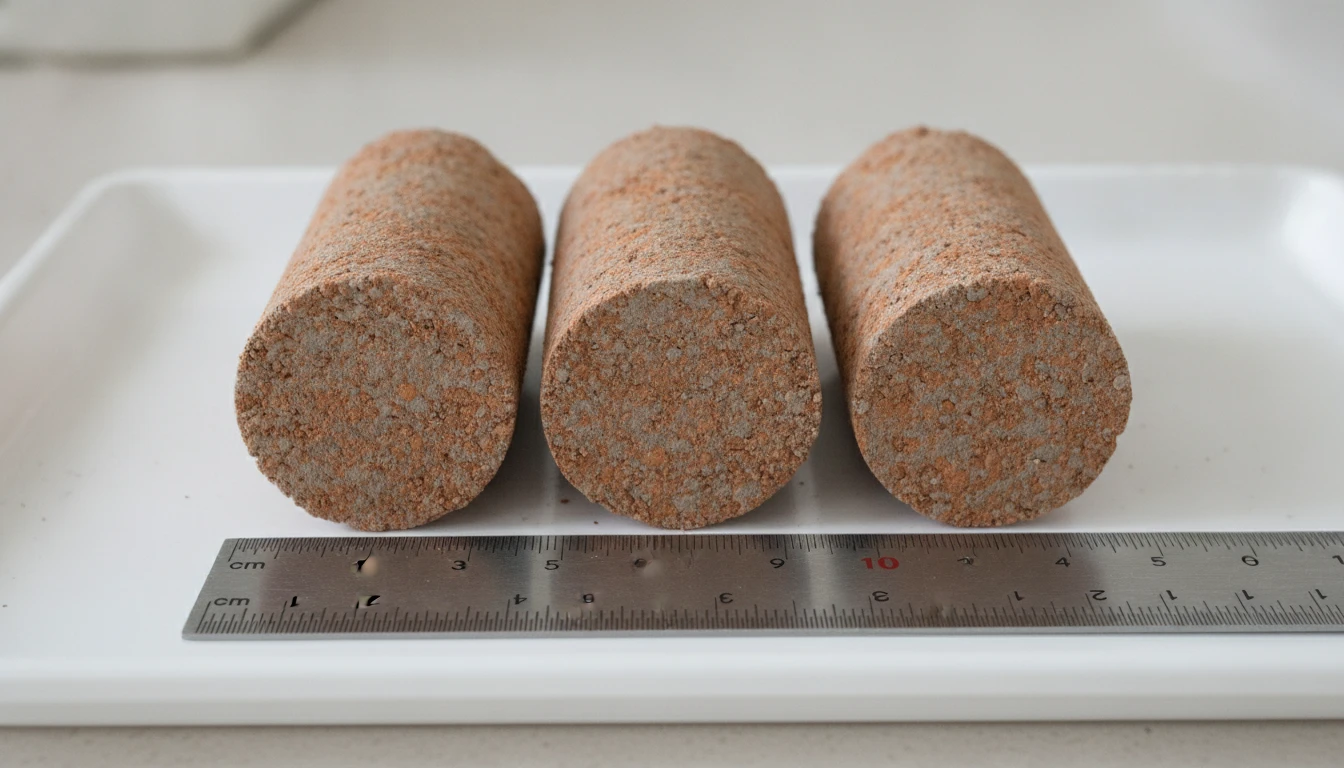
There is one situation where the answer is no, without compromise: when the plinthic horizon presents as continuous, hardened, or with evidence of hydrological or structural irreversibility, and this demonstrates a risk of permanent degradation of the soil or the local hydrological system. At this stage, the plinthite has already passed the point of reversible cementation — the soil is on its way to becoming petroplinthite, a practically irreversible crust. The regulation prohibits the authorization of drainage in these cases, regardless of whether the other criteria are met.
The blind spot: you’re already dealing with this soil, you just didn’t know its name
If you’ve already read our article on ochre in drains, you already know this soil from another angle. Ochre is precisely the iron from the plinthic horizon dissolving, migrating to the pipe, and precipitating inside it — the same element that Resolution 36 uses to define if you can drain is what determines if your system will clog after installation. The two questions — can I drain? and how do I design to avoid clogging? — originate from the same soil and need to be answered together, not separately.
The first step
Before submitting any licensing application, what decides everything is the pedological study of your area: characterizing if the soil is Plinthosol, measuring the clay content in the laboratory, and confirming the agricultural aptitude for the intended crop. Without this, it’s impossible to know if the project is technically feasible — and entering a licensing process without this foundation is the longer, not the shorter, path.
If your farm in MT already shows signs of waterlogging and you suspect soil with iron concentration, the drainage diagnosis helps organize what to observe in the field — no commitment, it’s just for you to better understand your area. The engineering team at Techduto can support the technical project after the soil characterization is defined — including indicating when the Techdreno KC — whose micro-fissures drain and filter simultaneously, eliminating the need for geotextile wrapping — is the right specification to reduce the risk of clogging in this type of soil.