
Soil drainage in agriculture is a key factor in the success of any crop. After all, productivity starts at the foundation—and that foundation is the soil. Well-drained soil means healthy roots, efficient water management, and longer-lasting productive areas. See how agricultural drainage, especially subsurface drainage, can revolutionize your production.
Why is soil drainage in agriculture so important?
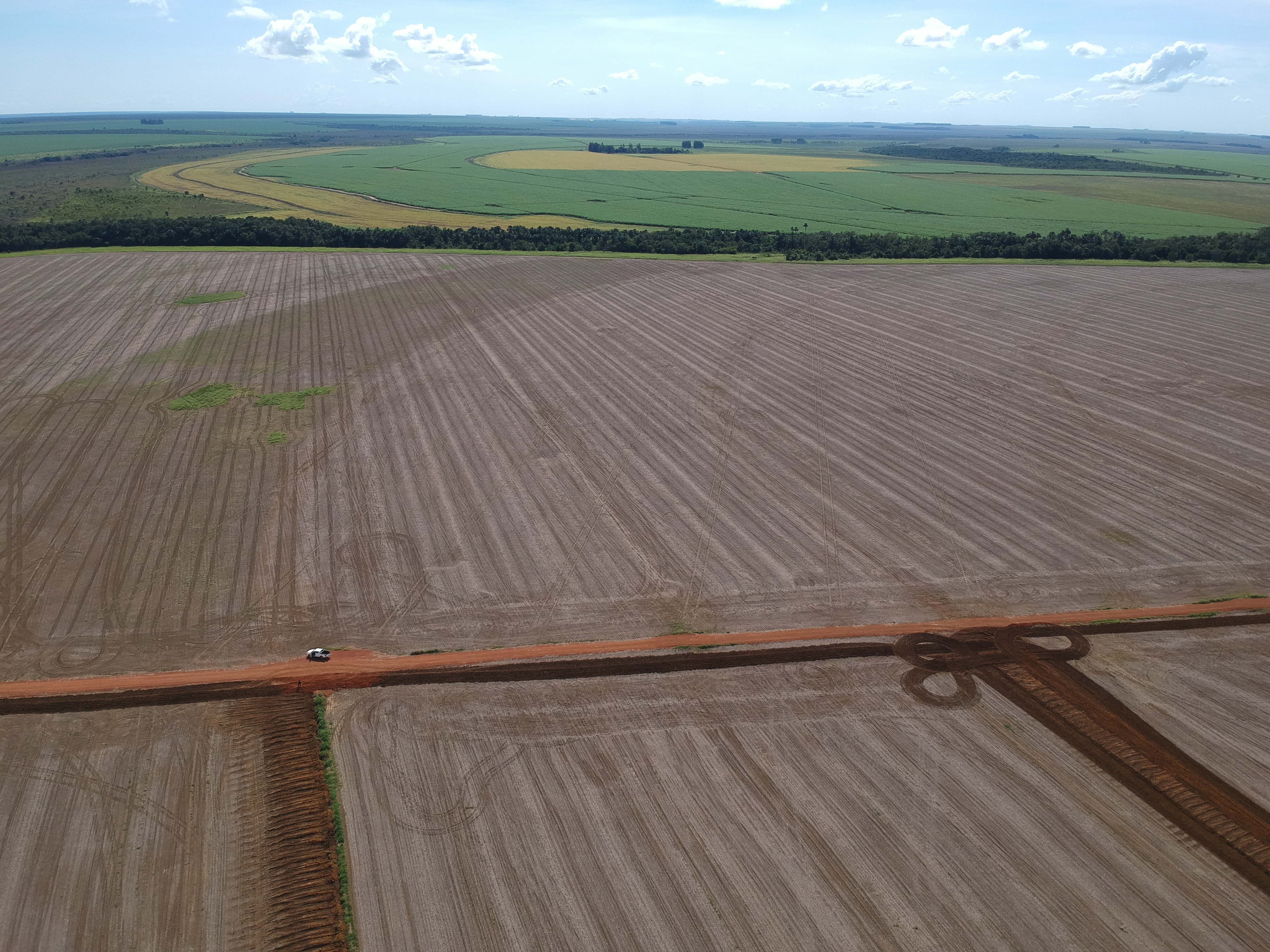
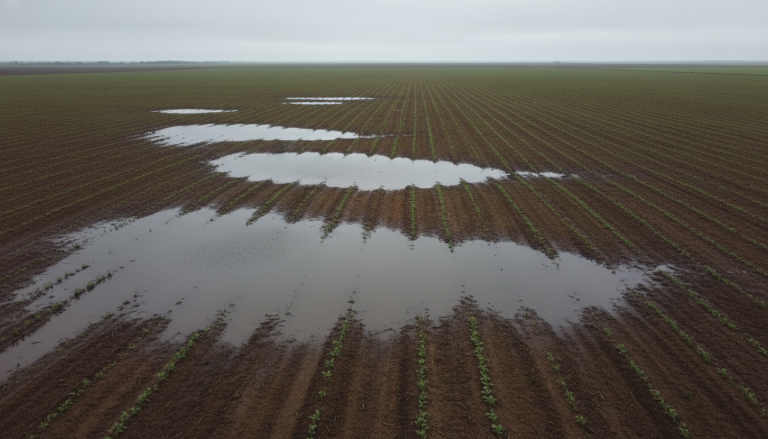
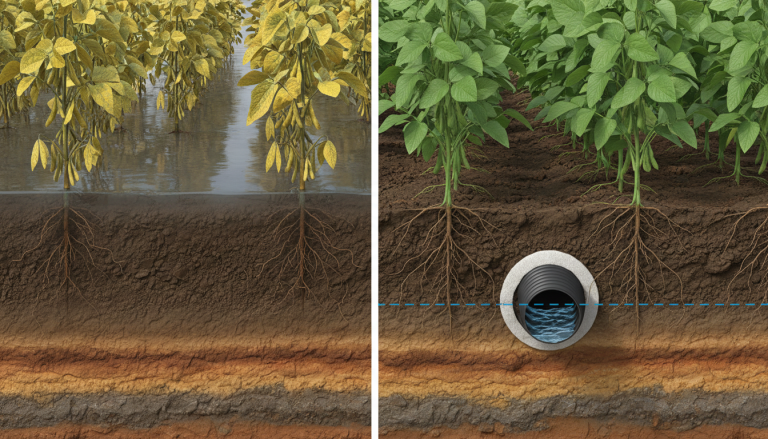
When it comes to soil drainage, many farmers are still unaware of the full impact it can have on productivity. Waterlogged soil is unhealthy soil. Excess water compromises oxygenation, hinders root growth, and reduces nutrient uptake by plants.
In contrast, well-drained soils promote aeration, encourage the development of beneficial microorganisms, and maintain optimal moisture levels for the crop cycle. More than just removing water, soil drainage ensures balance, health, and resilience for crops—factors that directly impact crop yield.
Major drainage problems in the field and their impacts
Drainage problems are more common than one might think, especially in areas with high rainfall or naturally compacted soils. Under these conditions, water tends to accumulate in the surface layers, causing waterlogging, erosion, and nutrient loss.
In addition, poorly drained soils promote root diseases, increase the use of pesticides, and hinder access for farm machinery—the infamous getting stuck during the rainy season. In the long term, this results in loss of usable land, increased costs, and a drop in productivity.
Soil drainage methods in agriculture
There are two main agricultural drainage techniques: surface drainage and subsurface drainage.
Surface drainage is done using open ditches, a traditional method that offers immediate results and low initial costs. However, it occupies productive space, requires constant maintenance, and can have environmental impacts by facilitating the dispersion of pesticides and fertilizers into water bodies.
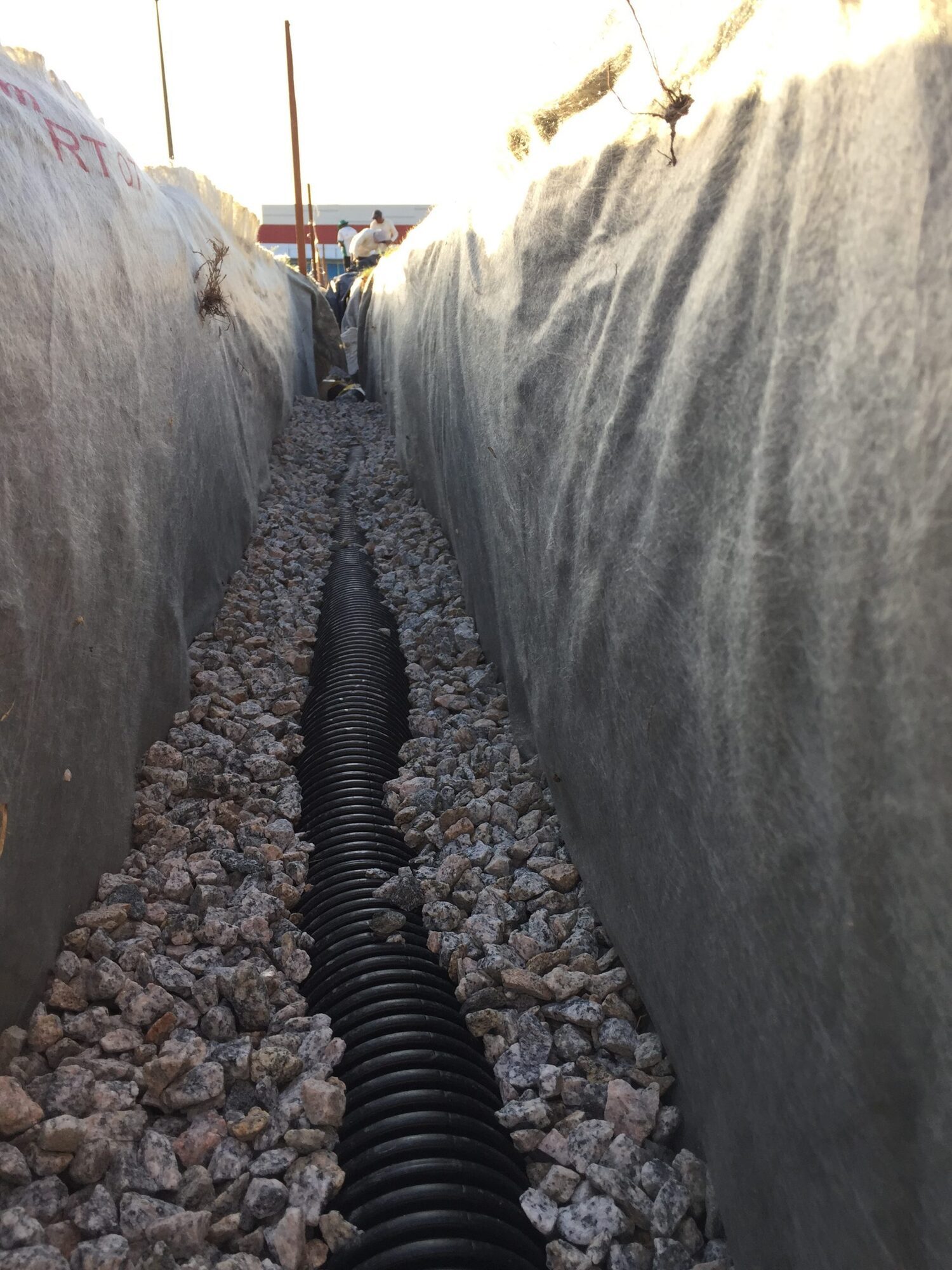
Subsurface drainage, on the other hand, uses perforated HDPE (high-density polyethylene) pipes installed at depths ranging from 80 cm to 1.20 m. This technique allows for efficient drainage, preserves agricultural land, requires little maintenance, and offers greater control over the water table—in addition to reducing environmental impact by naturally filtering chemicals applied to the soil.
Advantages of the subsurface drainage system
Subsurface drainage has been gaining prominence in Brazil, especially because it is widely used in countries such as the United States, Canada, and Japan. And it is no coincidence. Here are the main benefits:
- Less loss of productive area: there is no need to dig ditches on the surface;
- Preservation of the water table: the pipes maintain a constant moist zone without excessively lowering the water table;
- Efficient moisture control: ideal for maintaining adequate levels even during the rainy or dry season;
- Reduced use of pesticides: less proliferation of invasive plants;
- Greater durability: the pipes can last more than 60 years, with low maintenance requirements.
This smart solution generates savings, increases sustainability, and prepares the soil for many years of intensive cultivation. For more information, watch our video:
How to improve soil drainage with Techduto
Techduto is a leader in Latin America when it comes to efficient agricultural drainage. For nearly a decade, we have invested heavily in technologies tailored to the Brazilian agribusiness context. We realized that the most widely used technique was based on outdated adaptations that did not account for soil type, topography, or farm size.
That’s when we developed the Techdreno line, featuring high-strength corrugated pipes (SN5 to SN10), ideal for Brazilian soils. Additionally, we created exclusive accessories for quick, secure, and durable connections—simplifying both installation and maintenance. For high flow rates, there is also the Techdreno DW, a double-walled pipe with high drainage capacity. When the soil requires extra filtration, the drains are wrapped in Bidim geotextile, which prevents the entry of fine particles and avoids pipe clogging.
Together with our partners, we also offer a complete (turnkey) solution: from technical mapping to design and execution, using our own machinery and specialized team. In other words, we transform unproductive areas into regions of high agricultural value with efficiency, precision, and sustainability.
Benefits of drainage in farming: productivity and sustainability
By investing in efficient drainage, the producer is not only preventing flooding—they are ensuring more productive, resilient, and healthy soil. The benefits of drainage in planting include:
- Increased productivity per hectare;
- Reduced losses caused by excess water;
- Greater reliability during the planting and harvesting window;
- Less soil compaction and easier machine access;
- Stimulation of biological activity in the soil, which promotes nutrient uptake;
- Reduced need for inputs, with medium- and long-term savings.
Proper drainage transforms even previously discarded areas into valuable assets for production.
Soil drainage and efficient water management
A good drainage system is also a powerful tool for water management. In times of climate instability, knowing how to control soil moisture is a competitive advantage. With subsurface drainage, it is possible to store optimal moisture for longer and utilize groundwater during droughts—benefiting crops with deeper roots.
The capillary effect maintains surface moisture even after heavy rains, favoring earlier and safer planting for both the main and off-season crops.
Furthermore, with proper drainage, the farmer minimizes environmental impacts, prevents nutrient leaching, and drastically reduces pesticide use—contributing to more sustainable agriculture.
Sustainable drainage: productivity combined with conservation
Soil drainage can—and should—be sustainable. Techduto understands that caring for the productive base also means caring for the environment. That is why our HDPE pipes and fittings are designed to minimize environmental impacts, ensure the system’s durability, and prevent the waste of resources.
The soil above the pipes acts as a natural filter, reducing the load of fertilizers and chemicals in the drained water. This means less water pollution, greater food security, and lower risk to neighboring communities and ecosystems. Solutions like this show that it is possible to produce more, better, and with environmental responsibility.
Unlock your soil’s potential with Techduto
Soil drainage in agriculture is a game-changer—literally. When well-planned and executed, it allows every hectare to reach its full potential, even in areas previously considered unproductive.
Techduto is proud to support agricultural projects throughout Brazil and Latin America, offering innovation, safety, and real results—whether through high-performance corrugated pipes or personalized technical support and full project execution. Explore the full range of Techduto products and see how to turn challenges into opportunities on your property.