

Behind every safe takeoff lies a carefully designed and protected infrastructure. Learn about the "invisible safety" of airports and major construction projects—and the role of drainage and cable protection.
When you board a plane, you trust that everything is working perfectly. What many don’t realize is that behind every successful takeoff or landing lies a carefully designed and protected infrastructure. It is this invisible safety that ensures the efficiency of airports and other complex structures.
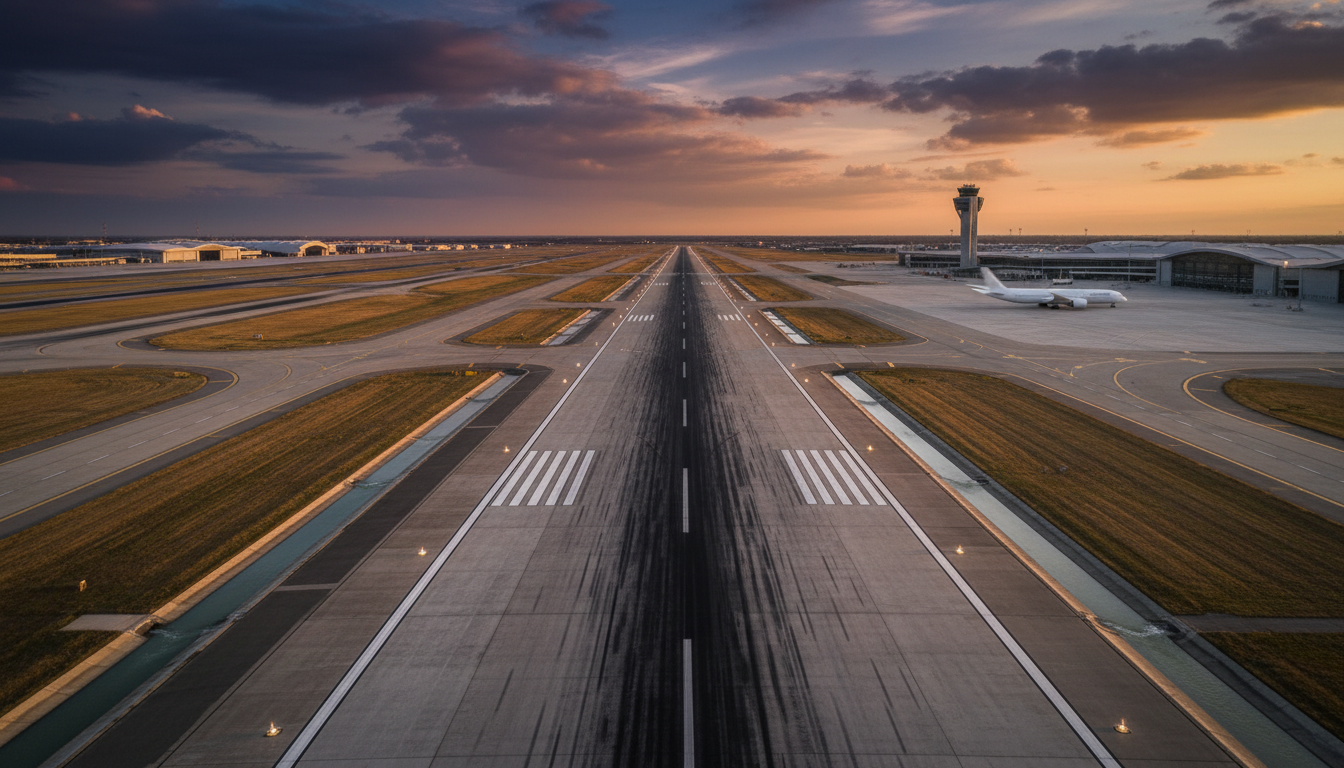
Behind the scenes at an airport, everything happens on a massive scale:
- Runways must withstand tons of weight time and time again;
- Drainage systems prevent water accumulation, which is critical for aircraft safety;
- Critical areas, such as hangars and runways, face constant weather and operational challenges.
Imagine an airport without proper planning: a storm causes puddles on the runway, and a plane has to abort takeoff. The chaos doesn’t stop there—delays, losses, and risks increase exponentially. With proper protection, runways remain safe even during heavy rain, and the infrastructure withstands daily wear and tear and extreme conditions. This means that every operation, from the smallest regional flight to the largest cargo plane, proceeds without interruption.
Complex infrastructure: when every detail counts
In addition to airports, highways, ports, and major urban projects face similar challenges. These locations must deal with:
- Constant movement of heavy loads, which wear down the structure;
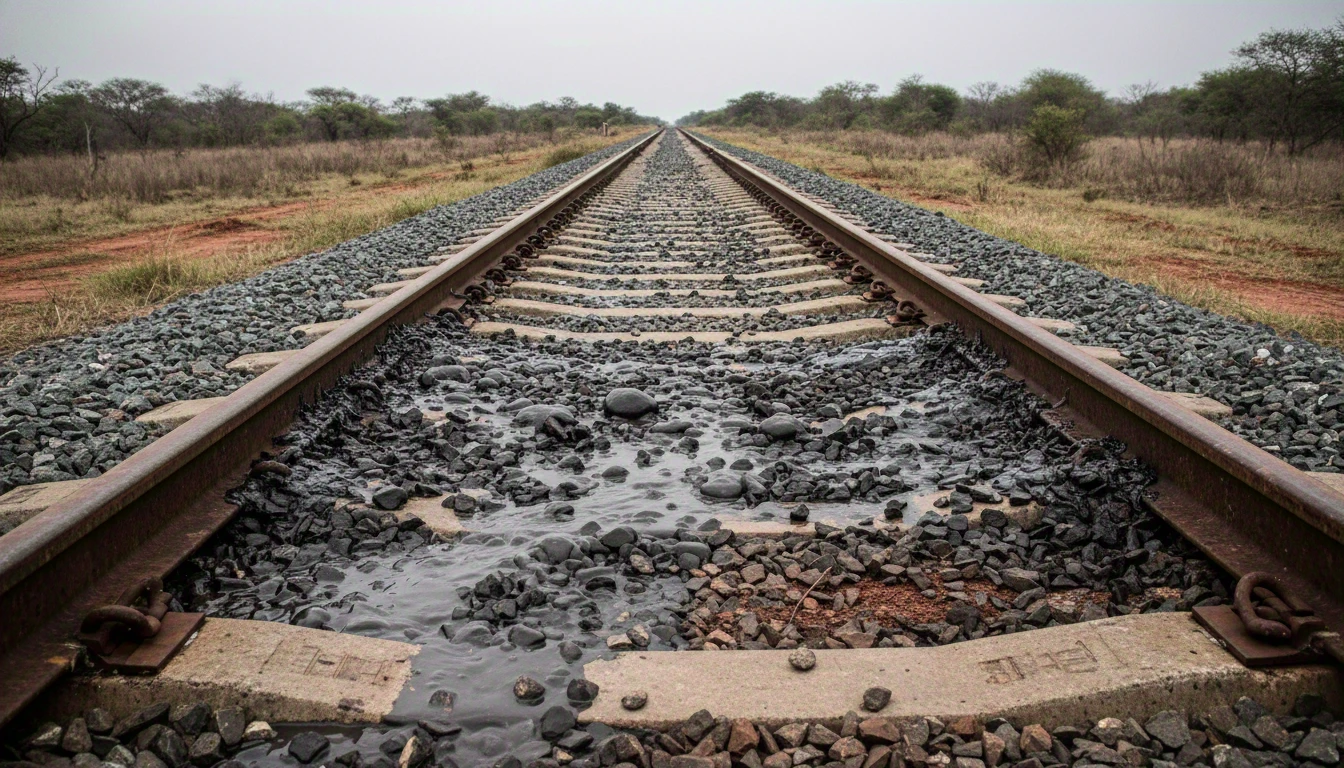
- Risks of water infiltration that compromise the operational foundation;
- Growing demands, which put pressure on efficiency and durability.
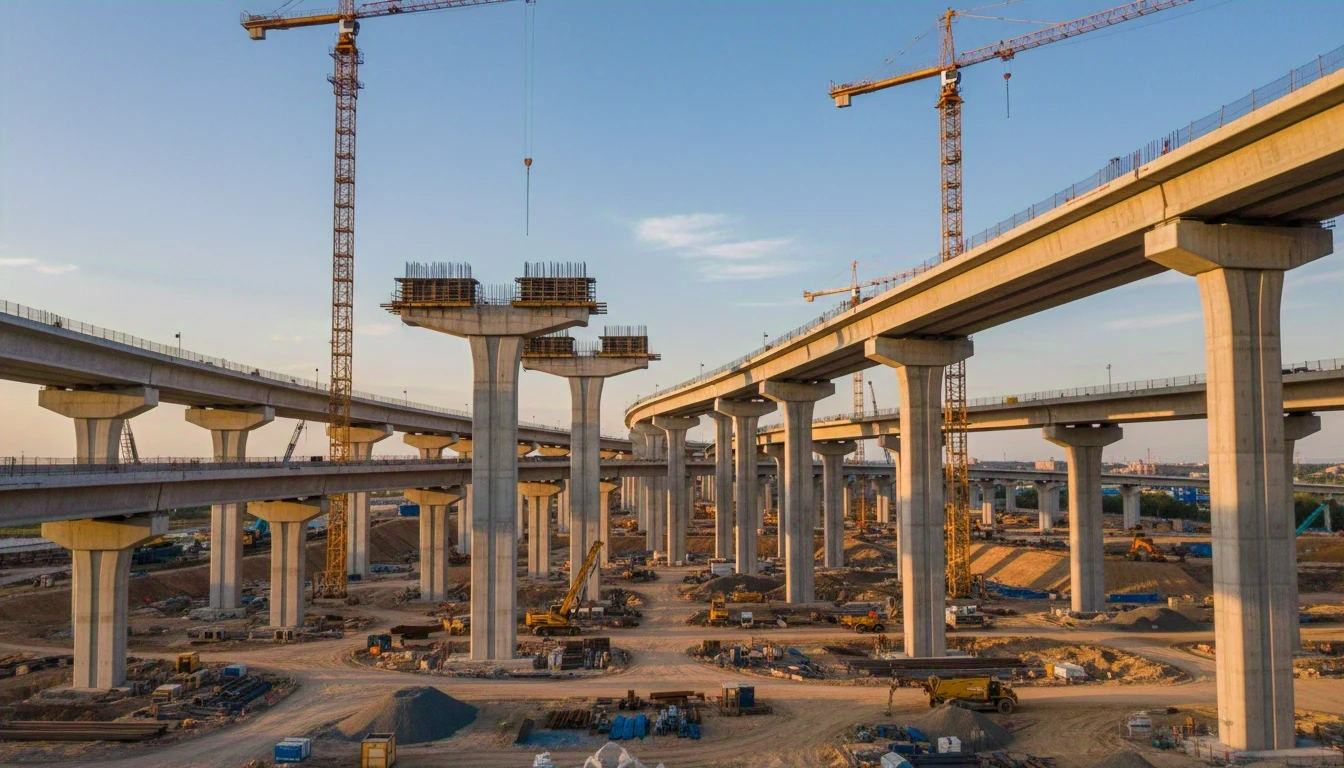
Consider a highway connecting major urban centers. If a structural failure is ignored, the impact spreads rapidly: traffic jams, accidents, and an exponential increase in repair costs. With robust safety planning, structures withstand wear and tear and adverse conditions without compromising functionality, and preventive maintenance becomes more efficient, reducing costs and unexpected downtime.
Why investing in safety is a priority, not an expense
What makes these infrastructures reliable? Details invisible to the average user, but which make all the difference: efficient drainage systems, materials that withstand heavy loads, and technical solutions that ensure durability.
Without these precautions, the risk of failure increases and operations suffer frequent interruptions, resulting in losses. When safety is well planned, the infrastructure operates continuously and the impact of weather or operational events is minimized.
How Techduto protects airports and major construction projects
Much of this “invisible safety” relies on Techduto’s HDPE corrugated pipes, found in airports and infrastructure projects across the country:
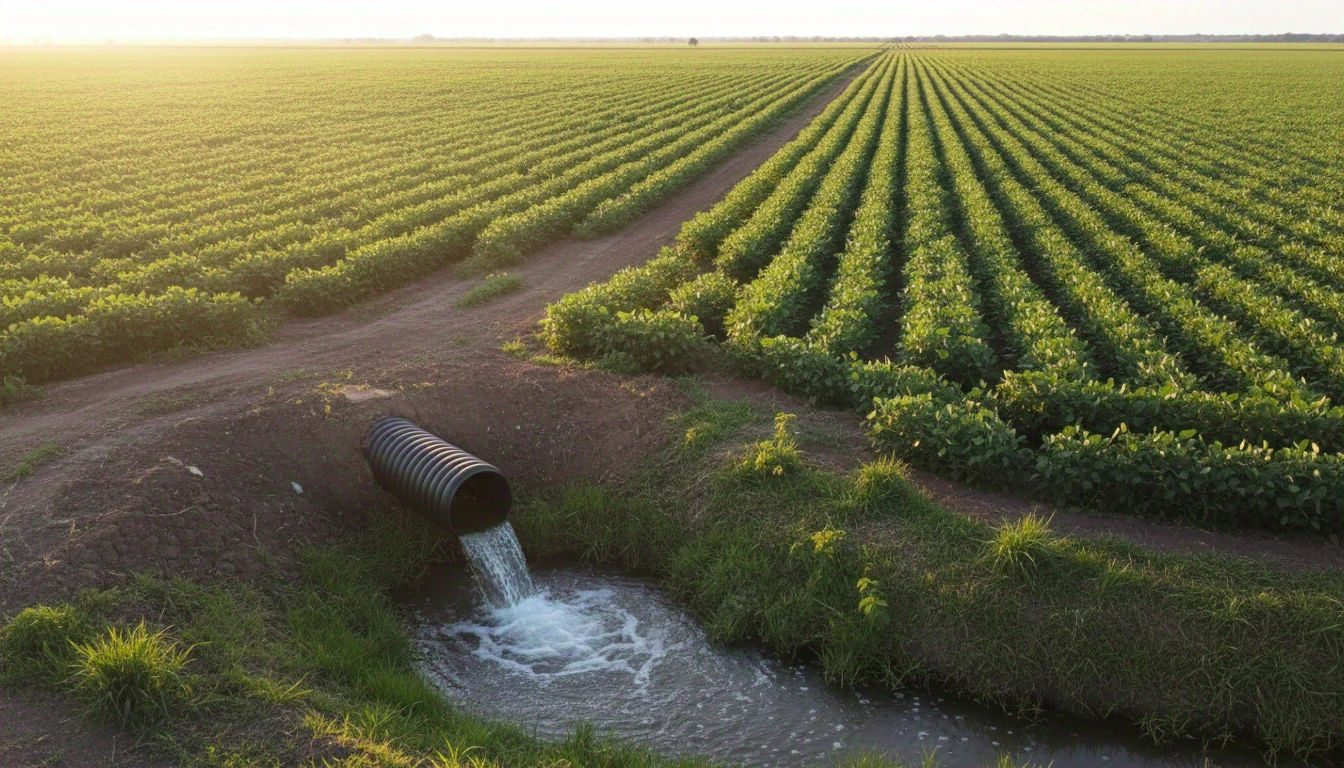
- Runway and apron drainage: Techdreno pipes and, for high flow rates, Techdreno DW prevent water accumulation that compromises operational safety;
- Cable protection and signage: Techduto DW (double-wall) and Techduto NBR protect buried electrical and signaling cables, offering high crush resistance;
- Subgrade reinforcement and separation: Bidim geotextile and Techduto drainage geocomposite stabilize the layers that support roads and pathways.
Safety you feel, even without seeing it
Every time a plane lands, a highway flows without traffic jams, or a port handles cargo without delays, you are feeling the impact of a protected and well-planned infrastructure.
Invisible safety isn’t just a support—it’s the foundation of everything. Whether at airports, on highways, or in major urban centers, it ensures that everything works as it should, without surprises. And it is precisely this durability, strength, and efficiency that Techduto’s HDPE solutions help deliver.