
Drainage is much more than simply letting water flow away. With proper planning, it becomes a key factor in boosting agricultural productivity and the durability of urban infrastructure.
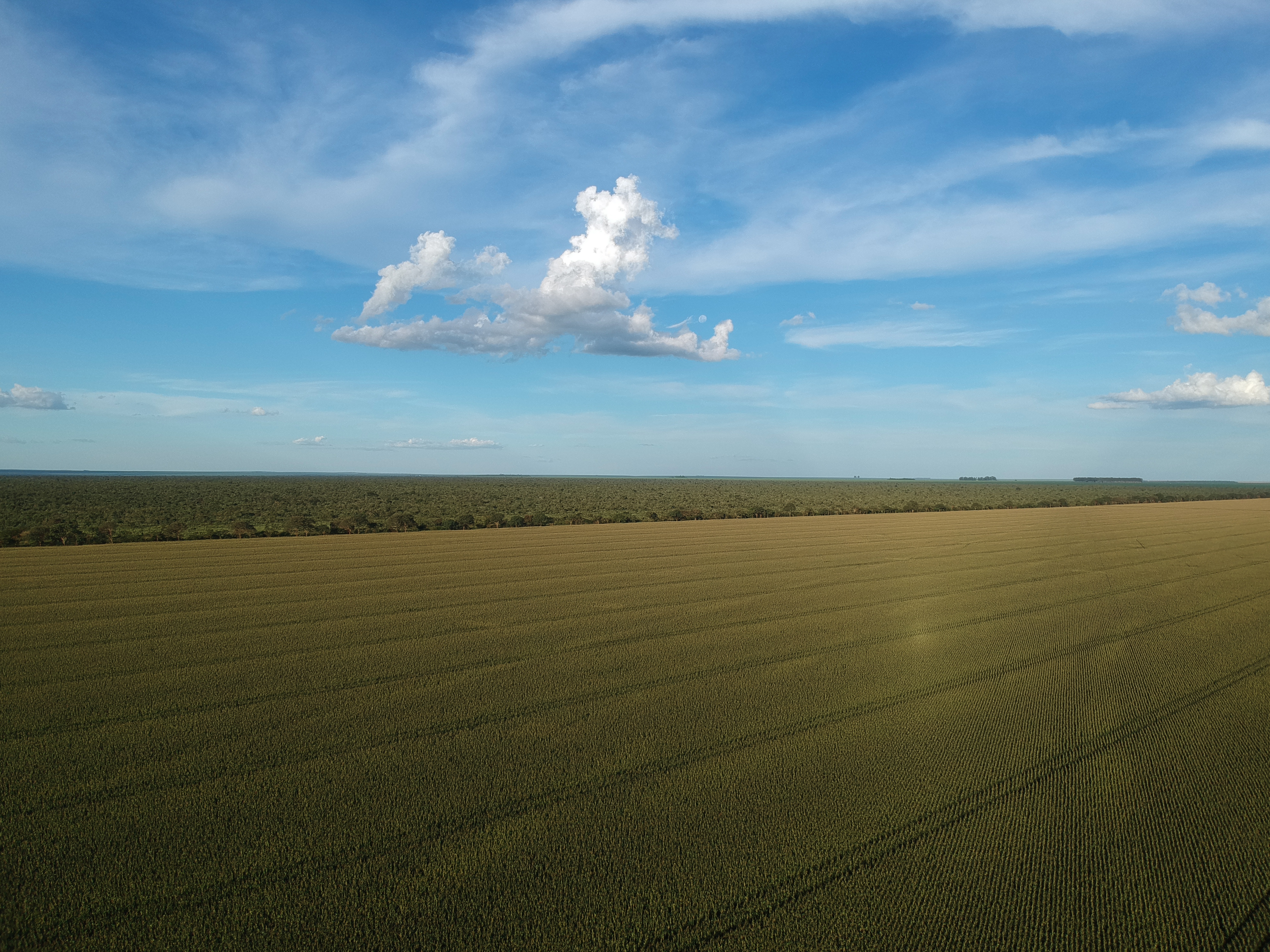
In the countryside and in the city, water is both essential and dangerous. In the right amount, it sustains crops and urban life; in excess, it suffocates roots, undermines foundations, and washes away the soil. The difference between these two scenarios has a name: well-planned drainage.
Why excess water reduces productivity
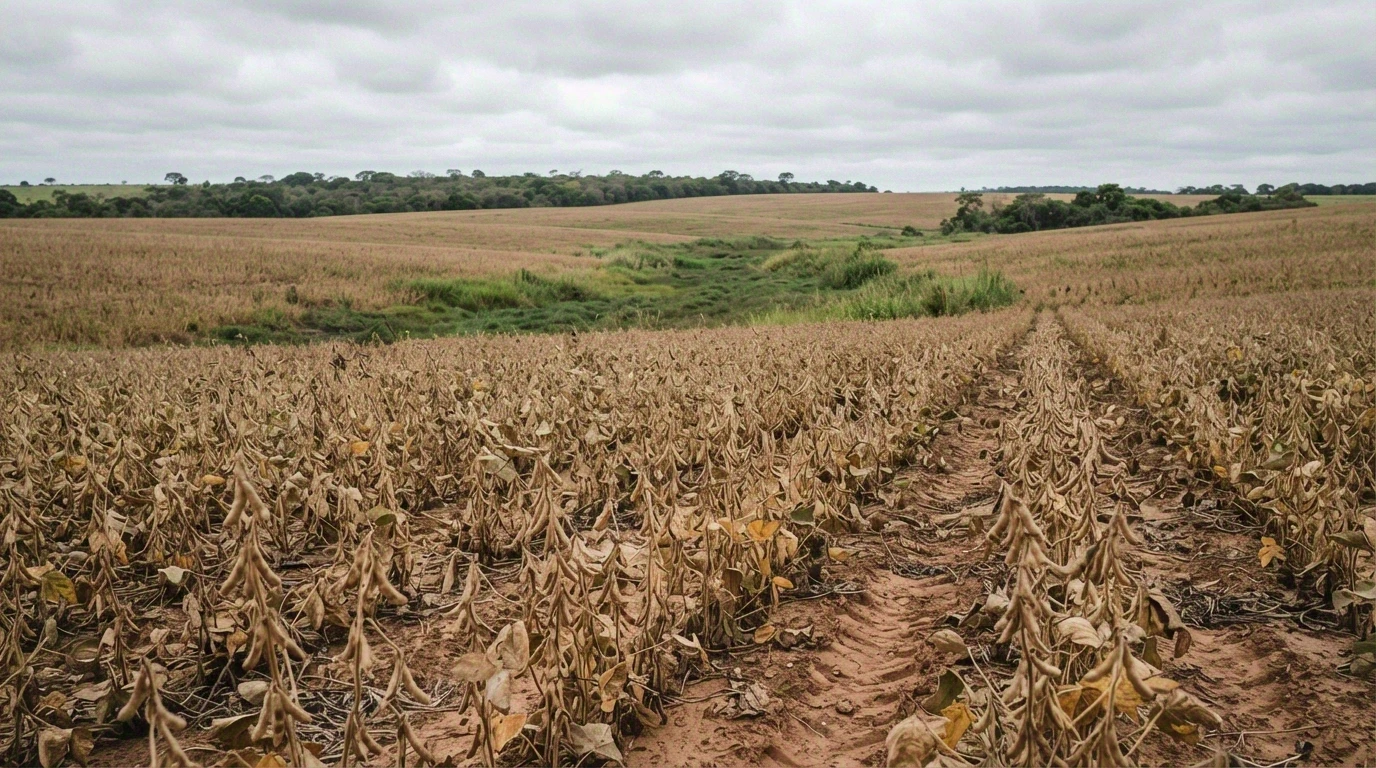
Healthy soil isn’t just earth: it’s also the air that exists between the particles. It is this oxygen that roots need to breathe and absorb nutrients. When water fills all the spaces (waterlogging), that oxygen disappears—and the damage comes quickly:
- "Suffocated" roots: in many crops, just 1 to 2 days of saturated soil is enough to compromise the root system, which stops growing and absorbing nutrients;
- More diseases: excess moisture is the ideal environment for fungi and bacteria that attack the crop;
- Nutrient loss (leaching): the volume of water carries nitrogen, potassium, and sulfur away from the roots;
- Erosion: uncontrolled runoff washes away the most fertile layer of soil.
The opposite is also true: with controlled moisture, roots grow deeper, the plant becomes stronger, and productivity increases. There are reports of significant gains with proper drainage—in some cases, increases of around 40% in soybeans, with even greater results in other crops.
In the field: larger harvests, protected land
In agribusiness, efficient drainage is one of the secrets to maximizing results. A well-planned system maintains soil moisture at the perfect balance, ensuring:
- Healthier crops: plants receive the right amount of water, promoting optimal growth;
- Protection against erosion: prevents nutrient runoff and soil quality loss.
The impact is clear:
- Higher productivity: every part of the land is used to its fullest potential, generating greater returns for the producer;
- Fewer losses due to bad weather: well-drained soils better withstand periods of heavy rain, reducing losses and damage;
- Reclaimed areas: with the right technology, even previously waterlogged and unproductive land can be transformed into highly productive areas.
In cities: more resilient and durable infrastructure
In urban construction projects, such as highways, landfills, and residential areas, drainage is not a minor detail but a necessity. Well-designed systems ensure:
- Efficient stormwater runoff: preventing flooding and disruptions during rainy periods;
- Preservation of structures: reducing the impact of accumulated water, preventing cracks, subsidence, and other damage.
The benefits are clear:
- Greater durability: highways, foundations, and other urban structures remain functional longer, with less maintenance;
- Cost reduction: preventing problems today means significant savings in the future.
In short, investing in drainage is investing in safety, functionality, and savings.
How to tell if your area needs drainage
Certain signs indicate that the land requires a drainage system—and the sooner it is identified, the less damage there will be:
- Puddles that take a long time to dry after rain, or areas that remain "soft" for days;
- Yellowish patches in the crop, stunted plants, or gaps in the crop stand in low-lying areas;
- Machinery that gets stuck or cannot access parts of the area during the rainy season;
- Erosion ruts and sediment buildup in the lowest areas;
- In urban construction projects, recurring leaks, cracks, and subsidence in the pavement.
Solutions that make a difference
Efficient drainage turns challenges into results. In the countryside, it boosts productivity and protects natural resources; in cities, it ensures safer and more reliable infrastructure. There are essentially two complementary approaches: surface drainage (which drains water from the surface) and subsurface drainage (which removes excess water from within the soil using pipes buried at controlled depths and gradients).
For both cases, Techduto offers the most comprehensive drainage line on the market:
- Techdreno drainage pipes are the classic solution for moisture control in agricultural fields and urban construction projects;
- For high flow rates and large areas, Techdreno DW provides high drainage capacity;
- The Techduto drainage geocomposite channels water on slopes, embankments, and structures;
- The Bidim geotextile wraps around the drains as a filter element and protects the soil from erosion.
With Techdreno, you have a solution designed to meet the specific demands of agriculture and urban construction—with proven efficiency in various contexts. Explore the full line of Techduto products and discover how smart drainage can add value to your project.