

Understanding how electricity is generated around the world is the first step toward investing in renewable energy sources and contributing to environmental sustainability.

Coal, water, sun, wind, oil: what do they all have in common? They are examples of sources of electricity generation, although each has its own characteristics and is more or less polluting. In Brazil, the main source of electricity is hydropower, followed by natural gas, wind, and solar. Renewable sources already account for about 88% of Brazil’s electricity mix (BEN 2025, base year 2024)—and for approximately 50% of the total energy mix, which also includes fuels and transportation.
Among so many options (and more are emerging all the time), some are renewable and others are non-renewable. In addition to the sources used to generate energy, there are differences in how energy is captured, implementation costs, and the technologies used. There are many possibilities that you’ll understand better below!
How does electricity generation work?
Despite the variety of sources, the principle behind most of them is the same: transforming some form of energy into rotational motion to drive a generator. Inside the generator, coils rotate in a magnetic field, and through electromagnetic induction, this motion is converted into an electric current.
What changes from one source to another is what makes the turbine spin:
- in thermal power plants (coal, gas, oil, biomass, nuclear), heat boils water and the pressurized steam spins the turbine;
- in hydroelectric plants, it is the force of falling water;
- in wind power plants, it is the force of the wind on the wind turbine blades.
The major exception is photovoltaic solar energy: there is no turbine involved. The cells in the panels convert sunlight directly into electricity through the photovoltaic effect. Then, in all cases, the generated energy passes through transformers and travels along transmission and distribution lines until it reaches the consumer.
Non-renewable sources of electricity generation
First, let’s discuss electricity generation from non-renewable sources, how it works, and its potential. Currently, these sources are among the most polluting, yet they remain the most widely used in many countries around the world. Read on to learn a little more about each type!
Oil
Electricity generation from oil is one of the most widely used methods to this day, including in Brazil. Although its extraction is controversial and may one day come to an end, it involves billions of dollars and therefore has great appeal in the global market.
Oil is also widely used in vehicles, in addition to being necessary for the manufacture of plastic. Although it is formed through a natural process involving organic remains on the seabed, it can cause major ecological disasters.
Burning oil causes direct air pollution, but that’s not all. Offshore platforms are highly dangerous due to the risk of fire. In these cases, electricity is generated precisely through the combustion of this material.
Coal
Coal is also a fossil fuel, just like oil. It became popular during the Industrial Revolution, but soon began to face criticism for being highly polluting.
Currently, coal accounts for only 6% of Brazil’s energy mix and less than 26% of the global total. It is also derived from the combustion of natural gas formed in sedimentary areas, and deep wells must be dug to extract it.
Some thermal power plants still use coal to generate electricity. However, this use is steadily declining.
Natural gas
Natural gas is basically a mixture of methane, ethane, propane, and others. It is also linked to oil, as its reserves are usually found nearby. Although it is also a non-renewable source, natural gas causes less pollution than oil and coal.
This does not mean it is a clean and safe source, as there are many risks of explosion and contamination involved in the use of natural gas. It is very common in industries, but also in homes through cooking gas.
It is produced in gas pipelines, which stand out for having a feasible installation cost. Transportation is also practical and inexpensive, which is why it remains a prominent option for electricity generation in Brazil.
Oil shale
A lesser-known alternative is oil shale, found in sedimentary rocks. Although many people are unaware of it, Brazil is a global leader in this field, possessing one of the world’s largest reserves. Despite this, it is an inefficient source of energy associated with significant environmental damage.
Nuclear energy
Nuclear energy, which has already caused major disasters around the world, is also a source of electricity generation. It produces energy through the nuclear fission of uranium atoms, which is converted into electricity.
If there are so many risks involved, why is nuclear energy still used? Its use is very common in regions where there are no other resources, such as the absence of hydroelectric potential. It is also considered less polluting, but it is known that nuclear waste is not always disposed of properly.
Renewable sources of electricity generation
Renewable energy sources are considered infinite. In other words, they can always be harnessed without ever being depleted. Furthermore, they are obtained directly from nature, such as the sun, water, and wind, which are capable of generating electricity. Thanks to these characteristics, they are also considered clean sources rather than polluting ones. Find out more below!
Solar energy
Electricity generation from the sun has been growing rapidly in Brazil. Currently, photovoltaic solar energy already accounts for and is the fastest-growing source—an increase of nearly 40% by 2024 alone (BEN 2025). Much of this expansion comes from distributed micro and mini-generation, installed in homes, businesses, and small properties.

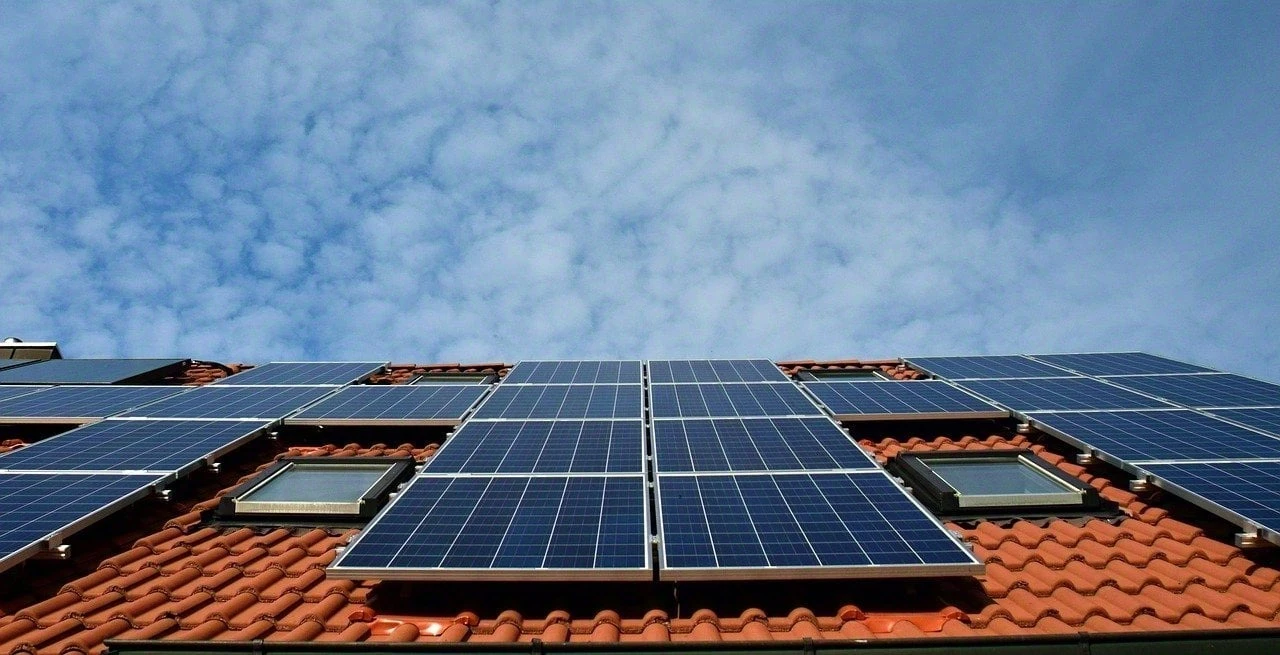
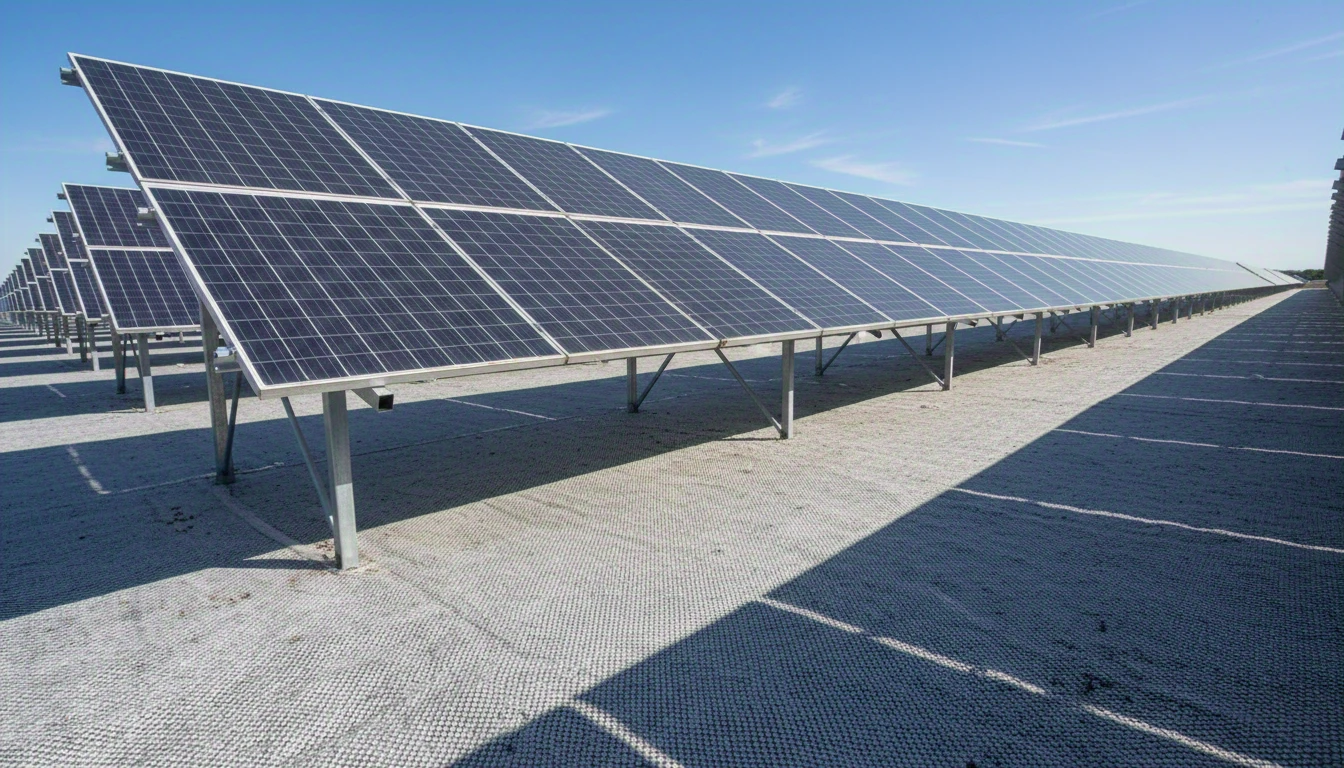
Of course, since it is provided by the sun, solar energy is inexhaustible. Furthermore, the conversion of sunlight into electricity is done cleanly by solar panels that can be installed in areas with favorable solar radiation. Solar thermal power plants also produce this type of energy.
The main advantage of solar energy is that it is pollution-free and provides energy independence. In countries like Brazil, which has a tropical climate, harnessing this type of energy is highly beneficial, capable of powering entire buildings if necessary.
Hydropower
Currently, about 56% of the electricity generated in Brazil comes from water (BEN 2025, base year 2024), which keeps hydroelectric power as the country’s main source. This source is also considered clean, although it faces criticism in some areas where it is installed.
In hydroelectric plants, energy is generated by harnessing the movement of water, as turbines convert mechanical energy into electrical energy.
This is a source that varies over time, as it also depends on rainfall. During periods of drought, hydroelectric plants lose their operational capacity. To avoid this problem, reservoirs are created to store a sufficient volume of water to provide a continuous energy supply.
The dams, which are necessary to build hydroelectric plants, often impact local marine life. Additionally, there may be a risk of flooding and dam failure.
Wind Energy
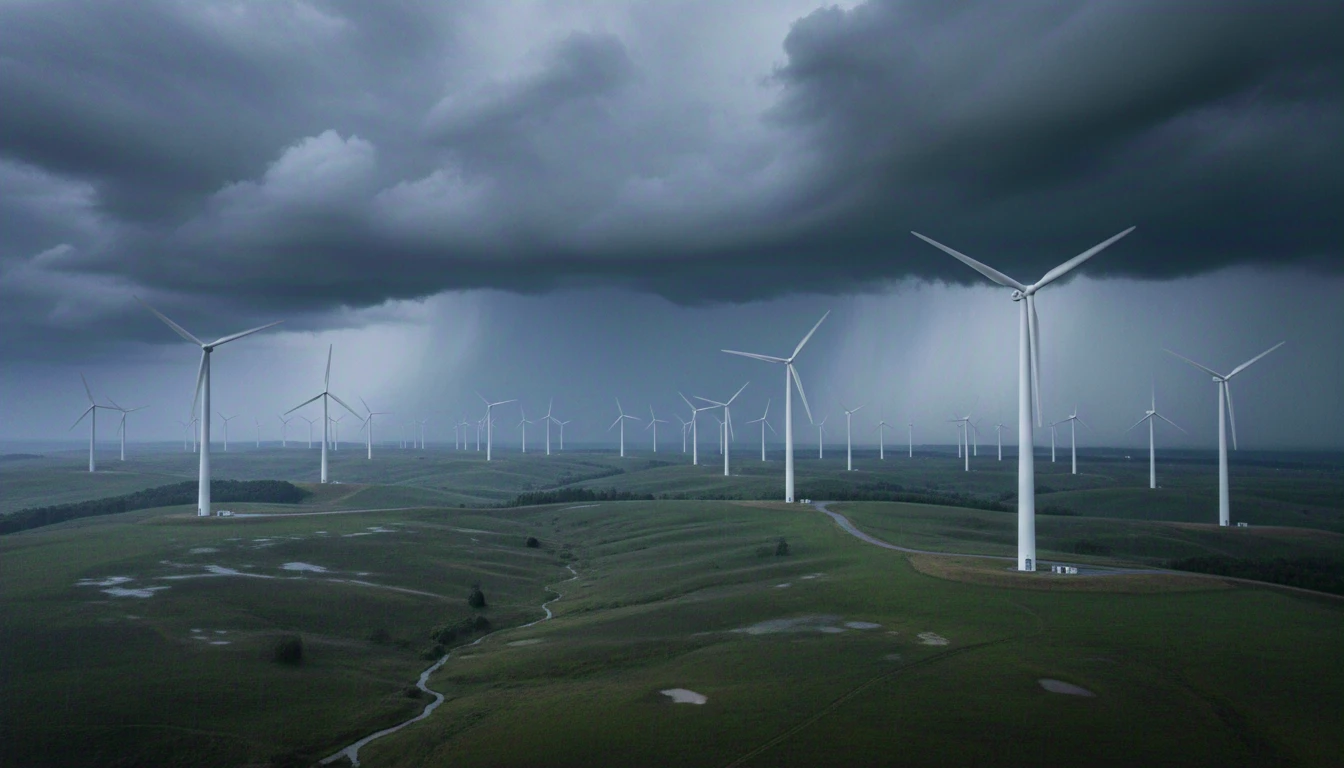
Similar to solar energy, wind energy is very favorable in Brazil, where there is an extensive coastline with winds capable of generating energy for entire states. In this case, generation occurs through the movement of air masses, which is harnessed by wind turbines. The turbines are installed in wind farms with towers up to 150 meters tall.
The south and northeast of the country are where wind energy is most widely used. In addition to being pollution-free, there are increasingly powerful super-turbines capable of boosting energy generation. Currently, it accounts the country’s and continues to grow. Together, wind and solar power already account for nearly a quarter of all electricity generated in Brazil.
Wind farms are built in various areas, especially near beaches, but also in open fields. The key is having sufficient wind speed to enable energy generation, which can also be “stored” for later use as a kind of reserve.
Biomass
Biomass is considered plant-based and organic material. A common example in Brazil is sugarcane, which is even used to produce fuel for automobiles. However, its use for electricity generation is not yet widely explored because it lacks the efficiency of other options.
Ocean Energy
Generated from the movement of waves, tides, or ocean currents, ocean energy is still underutilized. In fact, the cost of its implementation has not yet been developed to make it more appropriate and attractive. It should also be considered that its generation can have an impact on marine life.
Renewable energy vs. non-renewable energy
In general, the use of renewable energy seems much more beneficial for all nations, including Brazil. However, there are many historical and economic factors that still give non-renewable options a place in the mix.
To quickly see the differences, check out this summary of the main sources in Brazil’s electricity mix (BEN 2025, base year 2024):
| Source | Type | Pollution | Share in the electricity mix (BR) |
|---|---|---|---|
| Hydropower | Renewable | Clean (impact on dams) | ~56% — the country’s main source |
| Wind | Renewable | Clean | ~14% and growing |
| Solar photovoltaic | Renewable | Clean | ~10% — the fastest growing |
| Biomass | Renewable | Low | Renewable thermal (sugarcane) |
| Ocean | Renewable | Low (marine impact) | Underutilized |
| Natural gas | Non-renewable | Medium | Main fossil fuel |
| Oil | Non-renewable | High | Small-scale use (thermal power plants and isolated systems) |
| Coal | Non-renewable | High | Low and declining |
| Nuclear | Non-renewable | Low emissions (but generates nuclear waste) | Supplementary (Angra 1 and 2) |
| Oil shale | Non-renewable | High | Large reserves, low efficiency |
In total, renewable sources account for about 88% of Brazil’s electricity mix (EPE/MME, BEN 2025).
The most positive aspect of renewable energy is that it is non-polluting. Amid a phase of global warming, the sustainability agenda has forced countries to change, especially in electricity generation.
Furthermore, there is still a lack of access to information about renewable energy and how it works. In the case of solar energy, the initial cost is high, as solar panels require a significant investment.
However, the cost is typically offset by savings on monthly electricity bills in the long term. Wind energy is more difficult to implement individually in homes, but for the government and large companies, it is a viable investment.
The financial advantages of renewable energy stand out compared to non-renewable energy:
- Photovoltaic energy can reduce electricity bills by up to 95%;
- Renewable sources increase the value of homes and urban areas;
- Renewable sources certify brands as sustainable and environmentally conscious.
How does Techduto contribute to renewable electricity generation in the country?
One of the materials used in the installation of photovoltaic and wind power plants is HDPE corrugated pipe. This is because they have a high resistance to high temperatures, are resistant to diametric compression, are flexible, and last up to 75 years when properly installed.
In Brazil, Techduto’s product lines stand out and are already present in various projects across the country. In wind power plants, Techduto NBR and Techduto SD pipes are installed in trenches within the concrete, but they can also protect the electrical cables connecting the towers to the substations and the medium-voltage grid, which can be either underground or overhead.
In photovoltaic energy, the most suitable option is the Techduto UV line, which was specially developed for solar energy projects. Like the other lines, Techduto UV conduits are manufactured from High-Density Polyethylene (HDPE) but contain an anti-UV additive. This additive provides greater durability to the product and better protection against ultraviolet rays.
On the Techduto website, you can learn about these and other HDPE corrugated pipe solutions offered by the company and how they contribute to safe and renewable electricity generation. It’s worth checking out.