
Solar energy is at the forefront of the sustainability revolution, converting light into energy and creating a cleaner future. But, like any technology, photovoltaic systems face practical challenges—and one of the most underestimated lies on the ground: vegetation growth beneath the panels and the utilization of light reflected by bifacial panels.
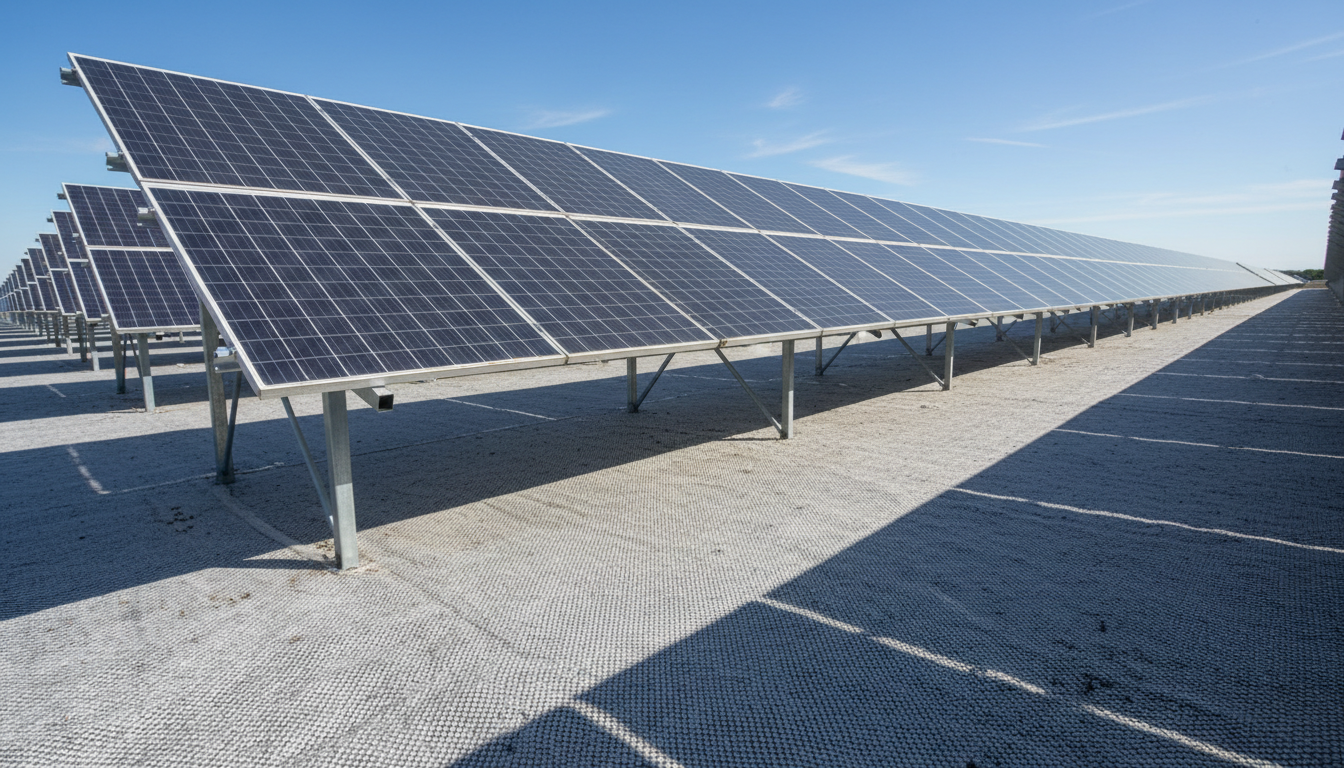
This is where UV raffia comes in—a discreet yet powerful solution that transforms how solar power plants tackle day-to-day challenges, maximizing efficiency and reducing costs.
The Hidden Challenges of Solar Power Plants
The lifespan and efficiency of solar panels depend on a number of external factors that, if left unchecked, can compromise the entire system. The main problems faced:
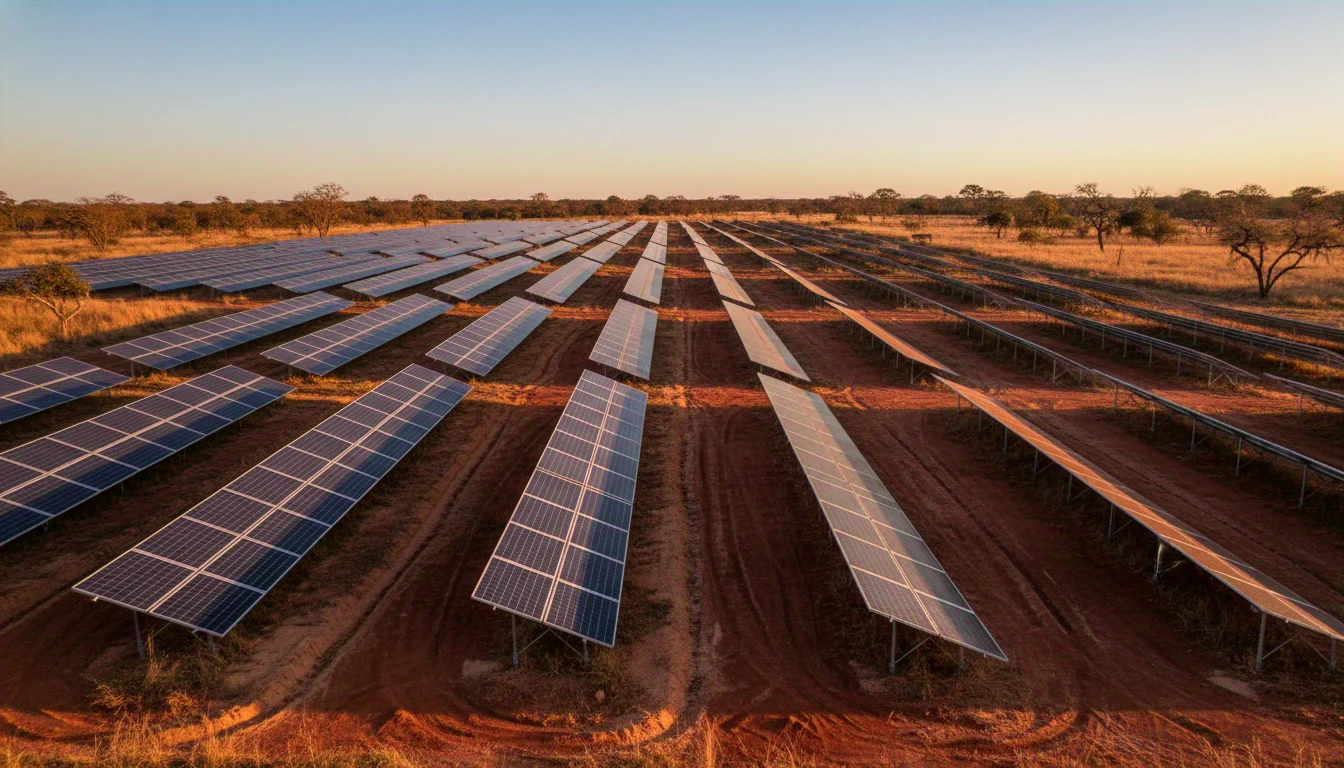
- Uncontrolled vegetation: on large tracts of land, such as those occupied by solar power plants, vegetation growth can block the panels, significantly reducing sunlight capture;
- Insufficient solar reflection: The ground surrounding the panels plays an indirect but crucial role in efficiency. Unkempt surfaces absorb light, while well-maintained surfaces optimize reflection (especially important for bifacial modules);
- Intensive maintenance: manually controlling vegetation and dealing with adverse weather impacts increases costs and hinders regular maintenance.
The Role of UV-Resistant Raffia in Energy Efficiency
UV-resistant raffia is a surprising ally in overcoming these challenges. This material, which may seem simple at first glance, possesses unique properties that make it essential to the success of solar power plants. How UV-resistant raffia works:
- Barrier against vegetation: creates a protective layer that prevents the growth of unwanted plants around the panels, eliminating the need for constant intervention;
- Optimization of solar reflection: the raffia’s light-colored, stable surface increases the reflection of sunlight, directing more energy toward the panels and improving their efficiency;
- Resistance to harsh climates: designed to withstand high temperatures, humidity, and continuous sun exposure, UV raffia maintains its performance even under extreme conditions.
A sustainable and cost-effective impact
In addition to its direct benefits, UV raffia contributes to broader goals of sustainability and cost reduction.
Environmental benefits:
- Reduces the use of herbicides and other chemicals for weed control;
- Preserves soil integrity, preventing erosion or unnecessary changes to the terrain.
Financial benefits:
- Reduces maintenance costs associated with vegetation cutting and soil cleaning;
- Increases panel efficiency, generating more energy with the same equipment.
These benefits make UV raffia a smart choice for solar power plants seeking to combine sustainability and financial efficiency.
Real-world examples: when simplicity makes a difference
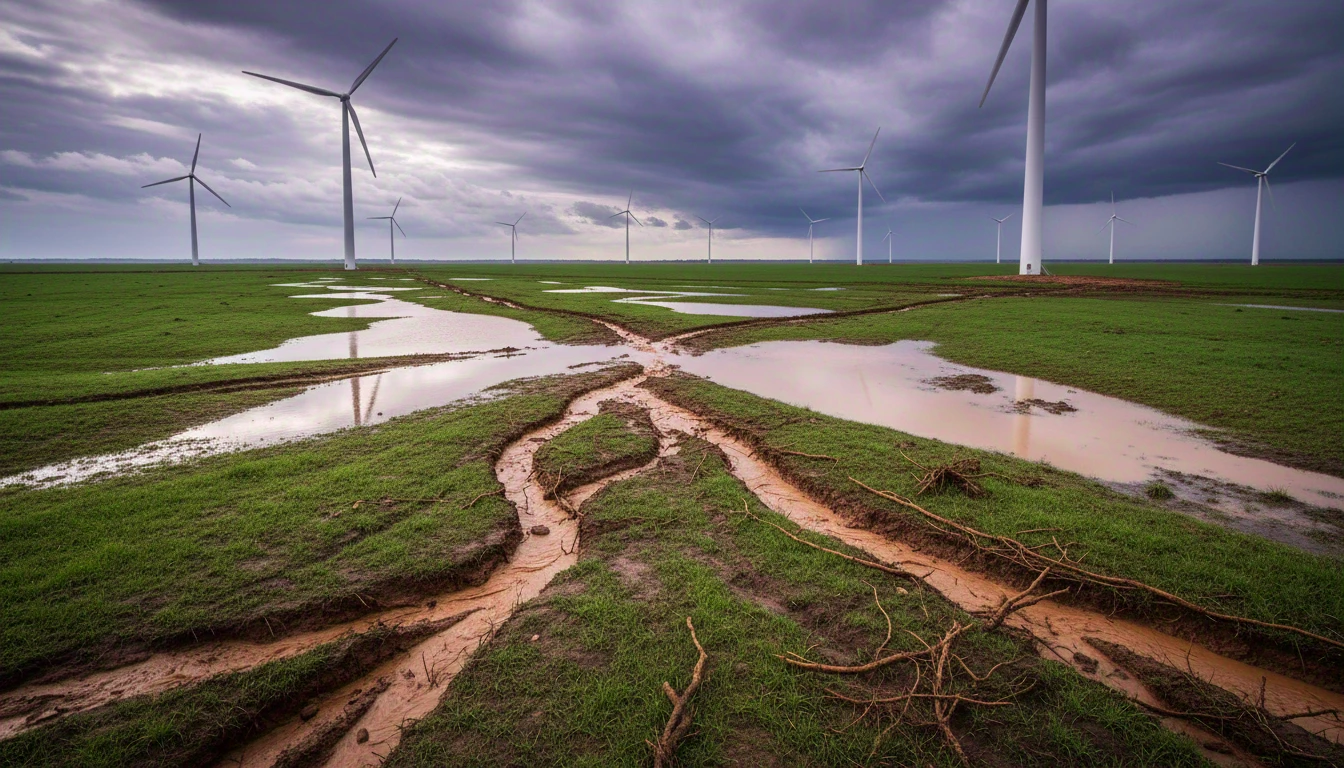
At a plant located in a region with a high incidence of ground vegetation and seasonal rains, the implementation of UV raffia yielded significant results:
- Panel efficiency increased by 9%, thanks to reduced shading and optimized reflection;
- Maintenance costs fell by 30%, eliminating the need for frequent vegetation trimming;
- The installation’s lifespan was extended, reducing the need for structural repairs caused by invasive plants.
UV raffia as a turning point
At first glance, UV raffia may seem like a technical detail in the midst of a project as grand as a solar power plant. But the truth is that this detail transforms the operation, linking energy efficiency to environmental stewardship and financial management.
In the world of solar energy, where every ray of light counts, having allies like UV raffia makes all the difference. More than just protecting, it enhances—which is essential in a world that demands smart and sustainable solutions. Solar energy isn’t just about capturing light, but about doing so efficiently, sustainably, and durably.
Techduto Solutions for Solar Power Plants
In addition to UV-resistant raffia, the infrastructure of a photovoltaic park requires adequate protection and drainage. Techduto provides a complete line of products for photovoltaic plants:
- Techduto DW and Techduto NBR for protecting buried electrical cables;
- Techdreno pipes for land and access road drainage;
- Bidim geotextile and drainage geocomposite for reinforcement, filtration, and soil erosion control.
Discover the full range of Techduto products and see how to make your solar plant more efficient, sustainable, and long-lasting—from the ground up.